
Winter calls for drinks that actually do something — warm you from the inside, slow the pace of a cold evening, or give a holiday gathering the right gravity. These ten classic winter cocktail recipes cover all of that, with exact ingredients and steps for each one.
The ten are: Hot Toddy, Whiskey Skin, Manhattan, Old Fashioned, Spiked Apple Cider, Mulled Wine, Eggnog, White Russian, Brandy Alexander, and a non-alcoholic spiced drink built for the same occasions. That's hot drinks, spirit-forward stirred cocktails, creamy after-dinner options, and one batch-friendly crowd drink — whiskey, rum, brandy, and vodka all appear, and the non-alcoholic entry isn't an afterthought.
Every recipe below lists quantities, not vague proportions, along with the steps in order. If you're missing a bottle or want to cut the alcohol entirely, the final section covers direct substitutions that preserve the character of each drink without requiring a separate recipe.
Hot Toddy and Whiskey Skin: the original warming drinks
The Hot Toddy and the Whiskey Skin are the two drinks that effectively invented the category of hot cocktails — and they are not the same thing, despite being lumped together constantly.
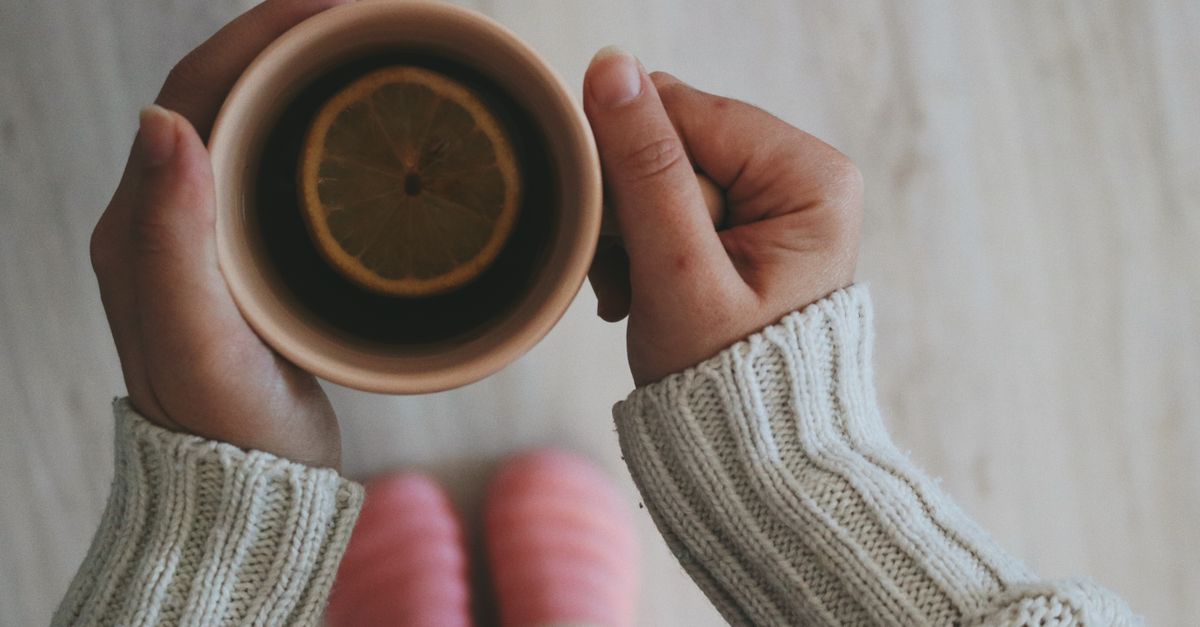
Hot Toddy: Stir 2 oz whiskey, 1 oz fresh lemon juice, and 1 tablespoon honey into a mug, then top with 4 oz hot water. Garnish with a lemon slice and a cinnamon stick.
Whiskey Skin: The older form — whiskey, hot water, a lemon twist. No honey, no sweetener, no spice. That's the whole recipe, and it has been for centuries.
The Skin predates the Toddy by at least a century, and the Toddy is really just the Skin with sweetener and citrus built in. If you find the Toddy cloying, peel it back.
Water temperature is the detail that separates a good version from a flat one. Boiling water drives off alcohol and mutes the spirit's character. The target is 175–185°F. Hot enough to open up the aromatics, but measured carefully enough not to strip them away entirely — which is a more common mistake than most people expect, especially when pouring straight from a rolling boil. A thermometer helps, but a kettle that's been off for two minutes usually lands close. For a wider look at what whiskey can do beyond these two drinks, this guide to whiskey cocktails you can make at home is a useful reference.
Bourbon skews sweeter and softens the lemon; Scotch adds a smoky undercurrent that makes the drink feel more austere. Both versions are correct.
Manhattan and Old Fashioned: spirit-forward classics that belong in winter
Both the Manhattan and Old Fashioned work in winter precisely because they are built around whiskey with minimal dilution — no citrus, no soda, nothing pulling the spirit's warmth in another direction.
Manhattan: Stir 2 oz rye, 1 oz sweet vermouth, and 2 dashes Angostura bitters with ice for 30 seconds. Strain into a coupe and garnish with a Maraschino cherry. Rye is the better call — sharper and drier than bourbon, it balances the vermouth's sweetness without fighting it, and most drinkers notice the difference immediately.
Old Fashioned: Place 1 sugar cube (or ½ tsp simple syrup) in a rocks glass and saturate it with 2–3 dashes of bitters. Muddle briefly, add 2 oz bourbon, then a single large ice cube. Express an orange peel over the glass — run the skin around the rim, then drop it in. Finished.
The Manhattan closely follows the 3:2:1 ratio — 3 parts spirit, 2 parts modifier, 1 part accent — which most bar guides cite but rarely explain fully enough to be useful. The "modifier" (sweet vermouth) softens and lengthens the base spirit; the "accent" (bitters) adds aromatic complexity without dominating. Old Fashioneds compress that structure. At roughly 2:1:negligible, the drink becomes denser and more spirit-driven, which is precisely why it hits differently on a cold night.
Both drinks must be stirred, not shaken. Shaking aerates the liquid and produces a cloudy, slightly foamy pour that disrupts the silky texture these cocktails depend on — no garnish rescues a Manhattan that arrives looking like a sour, and the damage is structural, not cosmetic. If you want a rough comparison of how the calorie counts and spirit volumes differ between the two, this breakdown of Manhattan vs Old Fashioned nutrition covers both in detail.
Spiked Apple Cider and Mulled Wine: batch-friendly crowd drinks
Both of these scale to a slow cooker with almost no extra effort, which makes them the most practical choice for any winter gathering where you'd rather be talking to guests than shaking drinks behind a counter.
Spiked apple cider comes together in a mug: 6 oz hot apple cider, 1.5 oz bourbon or dark rum, ½ oz lemon juice, and a cinnamon stick. Stir once. Done. The lemon cuts through the sweetness in a way that makes the drink feel considered rather than lazy.
Mulled wine takes slightly longer but still asks very little. Combine one bottle of red wine, 2 oz brandy, 2 tbsp honey, 2 cinnamon sticks, 4 cloves, and one sliced orange in a saucepan over low heat for 20 minutes. Don't let it boil. Alcohol evaporates above 173°F, and a mulled wine that's been aggressively simmered for too long — heat climbing, nobody watching — is essentially spiced grape juice with the structural integrity of a mistake.
For a party, multiply both recipes by headcount and hold them in a slow cooker on the warm setting. This guide to scaling cocktails for a group covers the batch conversion logic in more detail.
Mulled wine gets dismissed as unsophisticated, but that reputation is unearned. At a cold-weather party, a self-serve pot of something warm and aromatic outperforms almost any shaken cocktail — partly because it's always ready, partly because the smell alone does half the work.

Eggnog, White Russian, and creamy winter cocktails
Cream-based cocktails get a bad reputation for heaviness, but the culprit is almost always ratio, not cream itself — a well-balanced eggnog is no more cloying than a properly made sour.
Classic spiked eggnog: Combine 2 oz bourbon or brandy, 1 whole egg, 1 oz heavy cream, and ½ oz simple syrup in a shaker. Dry shake vigorously for 15 seconds to emulsify the egg, then add ice and shake again. Strain into a chilled coupe and finish with freshly grated nutmeg. The dry shake is non-negotiable — skip it and you'll get a greasy separation instead of the silky, persistent foam that transforms this from a merely boozy drink into something worth making twice in one evening.
White Russian: Pour 2 oz vodka and 1 oz coffee liqueur over a large ice cube in a rocks glass. Float 1 oz heavy cream by pouring it slowly over the back of a spoon — that layered look is mostly aesthetic, but it does slow dilution slightly, and a White Russian that stays cold and stratified for the first few sips drinks noticeably better than one you've stirred into a muddy beige from the start.
For non-dairy drinkers, oat milk creamer holds together in a White Russian without breaking. Coconut cream works in eggnog, adding a faint tropical undertone that some people love and others find distracting.
A standard eggnog cocktail lands around 250–300 calories — if that's a factor, this guide to lower-calorie cocktails you can make at home has practical swaps that don't gut the flavor.
Get Your Venue Discovered
List your venue on WhatDrink so people searching for their next drink by style, location and occasion can find you.
List Your VenueBrandy Alexander and the case for brandy in cold weather
Brandy is one of the most natural fits for cold weather, and most American home bars ignore it entirely in favor of whiskey. That's a mistake worth correcting.
The Brandy Alexander is the clearest demonstration of why: combine 1.5 oz brandy or cognac, 1 oz dark crème de cacao, and 1 oz heavy cream in a shaker with ice. Strain into a coupe and grate fresh nutmeg over the top. Rich, cold, faintly spiced — it drinks like dessert without being cloying. Because brandy is distilled from fruit (grape, apple, and pear are the most common), it carries an inherent sweetness that doesn't need much reinforcement from added sugar or syrup — warm spices like cinnamon, nutmeg, and clove simply meet it halfway. That same alchemy takes considerably more engineering when you're working with grain spirits. Grain just doesn't arrive with fruit's built-in warmth. Which is probably why so many winter cocktail lists default to whiskey and stop there, never quite reaching the rich, rounded territory that a good cognac covers effortlessly. If you want to explore further, this list of brandy-based drinks with recipes and serving suggestions covers the broader territory well.
For readers who want something with more edge, the Dark and Stormy offers a rum-based counterpoint: 2 oz dark rum, 4 oz ginger beer, ½ oz lime juice, built in a highball over ice with the rum floated on top. Gingery, sharp, and slightly sweet — a different register entirely, but just as suited to January.

Non-alcoholic winter drinks worth making
Skipping alcohol doesn't mean skipping complexity. Both drinks below are built the same way as their spiked counterparts — spice, acid, and sweetness layered intentionally, not just mixed together.
Spiced hot cider: Combine 8 oz apple cider with 1 cinnamon stick, 3 cloves, and ½ an orange sliced into rounds. Simmer for 10 minutes, strain, stir in 1 tsp honey, and serve hot. The cloves do more work than most people expect.
Ginger-honey winter warmer: Stir 1 oz fresh ginger juice (or ½ tsp grated ginger steeped for 5 minutes, then strained) into 8 oz hot water with 1 tbsp honey and ½ oz lemon juice — because without the acid, the whole thing collapses into something indistinguishable from plain herbal tea, warm and flat and forgettable. Lemon fixes that.
WhatDrink organizes recipes by mood and occasion rather than by alcohol content — a structure that holds up well when half your guests are drinking and half aren't. Its non-alcoholic catalog is narrower than the spiked side, so discovery there takes a bit more browsing — but the occasion-based filtering is the useful part.
Simple substitutions and how to adapt any of these recipes
Most of these recipes are more forgiving than they look — swap one ingredient thoughtfully and the drink survives. If you're missing something or cooking around a dietary preference, a guide to building cocktails from whatever bottles you already have is a useful starting point before you make any changes.
Sweeteners — honey, maple syrup, and simple syrup swap at equal volumes, so the conversion requires no measuring adjustment at all. Maple pulls the flavor earthier and slightly bitter; honey leans floral. Neither ruins a drink.
Spirits — bourbon and rye are interchangeable in Manhattans, Old Fashioneds, and hot toddies; rye gives you more spice, bourbon more caramel. Calvados (apple brandy) steps in for cognac in a Brandy Alexander without much drama.
Cream — oat creamer works in a White Russian and keeps the texture close. Coconut cream in eggnog changes the flavor noticeably — expect a tropical undercurrent that becomes more or less prominent depending on the brand you reach for — but the richness holds.
Spice shortcuts — a pre-made mulling sachet drops straight into any hot drink. The edges are a little softer than fresh spices, but on a weeknight, that's an acceptable trade.
FAQ
What is the 3:2:1 cocktail ratio and which winter drinks use it?
The 3:2:1 ratio refers to a proportional formula — three parts base spirit, two parts modifier (such as a liqueur or vermouth), and one part souring agent (typically citrus juice) — that gives a cocktail a balanced structure without needing to measure precisely every time. Among the winter builds covered here, a spiked cider loosely follows this logic when you combine a larger pour of cider, a mid-weight whiskey or rum measure, and a small splash of lemon juice to cut the sweetness. The Hot Toddy adapts it similarly: spirit dominates, honey or sugar plays modifier, and lemon provides the counterpoint. Without that acid, the whole thing reads as a hot toddy-flavored candy.
What are the top 10 cocktails for winter?
The ten winter cocktails most reliably found across bar menus and home gatherings are the Hot Toddy, Manhattan, Old Fashioned, Mulled Wine, Spiked Apple Cider, Eggnog, White Russian, Brandy Alexander, Irish Coffee, and a classic whiskey sour made with warming spiced syrup. That list spans every major category: hot drinks built for a cold night, spirit-forward stirred cocktails, batch-friendly options for groups, and creamy after-dinner builds. Many share a base spirit. Which means assembling a small working selection is far less daunting than the combined recipe list makes it look — several of the ten are essentially variations on the same foundational bottle.
What is the best alcoholic drink for winter if you don't like whiskey?
Brandy is the most overlooked cold-weather spirit for people who find whiskey too sharp — it carries the same warmth but with a rounder, fruit-edged character that works well in the Brandy Alexander, in mulled preparations, and simply stirred into hot apple juice with a cinnamon stick. Rum is the other natural alternative. Aged or dark varieties bring molasses depth to spiked ciders and hot drinks without the grain-forward bite that puts some drinkers off whiskey entirely, and they're cheaper to experiment with than a decent cognac. If spirits feel like the wrong direction altogether, a well-made mulled wine or a non-alcoholic spiced cider delivers comparable depth and warmth.
What are the trendy winter cocktails for 2026?
The directions gaining traction heading into 2026 center on low-ABV builds and non-alcoholic foundations dressed with the same layered spices traditionally associated with full-strength winter drinks. Cardamom. Star anise and smoked salt are appearing as rim garnishes rather than background notes, which changes their role from structural to theatrical — subtle enough that drinkers notice the effect before they identify the ingredient. Clarified hot drinks are one of the more technically interesting moves: citrus juice is milk-washed to strip cloudiness while preserving acidity, producing an elevated Hot Toddy variant that looks like consommé and drinks like a reimagined sour. Batch-format cocktails designed for slow cookers or insulated carafes are also crossing over from holiday parties into ordinary weekend entertaining, which suggests the trend is about convenience as much as aesthetics.
Which winter cocktail recipes are worth memorizing
The ten recipes covered here span a genuine range: hot and bone-warming at one end, cold and spirit-forward at the other, with creamy after-dinner options and entirely non-alcoholic builds sitting in between. That breadth is deliberate, because a single winter gathering might call for all four categories at once — something for the person who came in from the cold, something for the one who wants a proper cocktail, and something for the driver or the person skipping alcohol that night.
The practical advice that saves the most money and effort: look at what's already in your cabinet before you start. Bourbon alone covers the Hot Toddy, Old Fashioned, and Manhattan without any additional shopping. A bottle of dark rum opens up Spiked Cider and most hot drink variations. Brandy — if you already have it for baking or another purpose — unlocks the Brandy Alexander and a dozen mulled variations. Buying a full new bar setup to make one or two seasonal cocktails rarely makes sense; building outward from a spirit you already know works better in practice.
If you only commit a handful of these recipes to memory rather than keeping the page bookmarked, the three that repay the effort most are the Hot Toddy, the Spiked Apple Cider, and the Manhattan. The Toddy adapts to nearly any base spirit and any sweetener on hand — it functions as a template as much as a recipe, something you can rebuild from whatever's in the cupboard at 10 p.m. on a Tuesday in January without consulting anything. Simple. The Spiked Cider scales from one glass to a slow-cooker batch for twenty people with almost no adjustment beyond multiplication. And the Manhattan, once the 2:1 spirit-to-vermouth ratio is in your memory, opens a door to most stirred cocktail logic — the same structure underlies the Old Fashioned, the Rob Roy, and a range of seasonal riffs built around amaro or aged rum, none of which require a separate recipe once you understand the proportional relationship rather than just following the steps.