Brandy drinks range from some of the oldest recipes in the cocktail canon to easy two-ingredient pours you can assemble in under a minute. The brandy drinks list that most bartenders return to includes the Sidecar, the Brandy Alexander, the Stinger, the French Connection, the Brandy Sour, and the classic Brandy Old Fashioned — plus seasonal standbys like the Brandy Milk Punch and the Mulled Wine variations built around cognac or Armagnac. Brandy fits quietly. For a quiet night in, brandy and ginger ale is hard to beat; for a dinner party, the Sidecar or a Champagne Cocktail does the work elegantly.
🧠 By the numbers
Brandy appears in 10% of classic cocktail recipes, according to Herzog Cocktail School — slightly fewer than rye whiskey, slightly more than bourbon, which places it firmly in the middle tier of the cocktail canon.
$30–$40 is the home-bar sweet spot for a mixing bottle, per the same Herzog Cocktail School guide — enough quality to taste, not so much that it belongs in a snifter.
The twenty drinks below are sorted by style, strength, and situation, so you can find what fits your evening without reading the whole thing.
Classic brandy cocktails every drinker should know
Five drinks define how brandy behaves in a glass: the Sidecar, Brandy Alexander, Brandy Old Fashioned, Vieux Carré, and Stinger. Learn these and you have a working map of brandy's range — from bone-dry and citrus-sharp to silky and herbal.
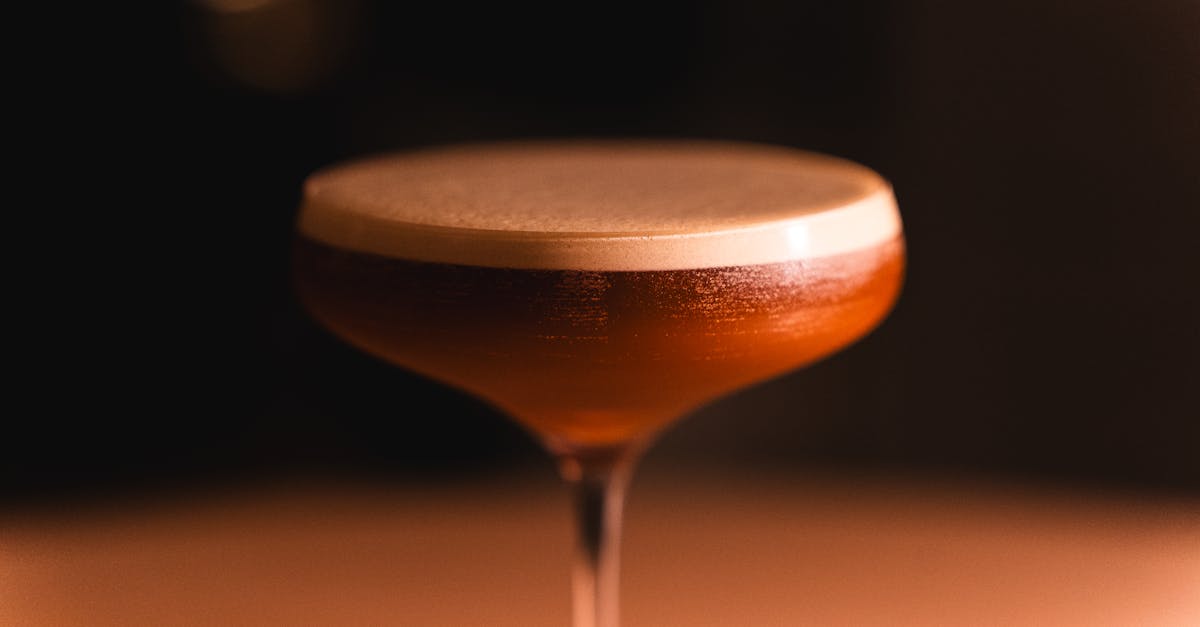
The Sidecar is the clearest argument for Cognac in a cocktail. Two parts Cognac, one part Cointreau, one part fresh lemon juice — shaken and served in a sugar-rimmed coupe — and the acid lifts the brandy's stone-fruit character without burying it, producing something elegant in a way that very few cocktails manage. The result surprises people. If someone tells you brandy is heavy, hand them a Sidecar.
The Brandy Alexander — Cognac, crème de cacao, heavy cream, shaken — sits at the opposite end of the texture dial. It drinks like a dessert, which is precisely why it converts skeptics: the richness softens everything and makes the spirit approachable to someone who would otherwise wave the bottle away. Useful to know if you're pouring for a mixed crowd.
Brandy Old Fashioned is a regional variation rather than a substitution. Wisconsin bartenders have been muddling an orange slice and a cherry with bitters and brandy (usually Korbel) for decades, finishing with soda — sweeter and fruitier than its whiskey counterpart, and different enough in character that treating it as merely a spirit swap misses what the drink actually is. It has its own identity. Its own regulars, its own arguments about the correct ratio of muddled fruit to spirit. For anyone curious about how brandy stacks up against whiskey across various builds, a guide to whiskey cocktails worth ordering makes a useful side-by-side reference.
The Vieux Carré — Cognac, rye, sweet vermouth, Bénédictine, and two kinds of bitters, stirred — is a New Orleans standard built for slow sipping. Complex and slightly bitter, with the Bénédictine adding an herbal undercurrent that ties everything together.
The Stinger, just brandy and white crème de menthe, is a mid-century closer that most menus have abandoned. That's a mistake — the mint chills the spirit without sweetening it excessively, and it finishes a meal better than almost anything.
Simple brandy drinks with two or three ingredients
Three combinations cover most nights when the cabinet is half-stocked: brandy highball, brandy and ginger ale, brandy with apple cider. No shaker required, no obscure liqueurs.
Brandy Highball is as stripped-down as it gets — 2 oz brandy, 4 oz club soda, a lemon twist expressed over the top. The carbonation lifts the spirit's fruit notes without competing with them.
Brandy and ginger ale runs warmer and a little sweeter. Ginger forgives a mid-shelf bottle. Because it softens rough edges so effectively, this is the format that rewards the kind of casual pouring most home bars actually do — 1:2 ratio, ice, a lime wedge, done. Pour it over ice, add a lime wedge, and most guests are satisfied.
Brandy with apple cider is the most intuitive of the three — brandy is distilled from fruit, and fresh cider meets it on that ground. Use 2 oz brandy to 4 oz cider, drop in a cinnamon stick, and serve warm or over a large cube depending on the season.
One thing to keep in mind: two-ingredient drinks put the spirit on full display. There's nowhere for a harsh finish to hide. That makes bottle choice meaningfully more important here than in a layered cocktail — not just marginally, but in a way that changes what you reach for when shopping. If you want to explore more formats at this level of simplicity, a dedicated collection of easy brandy recipes covers the wider territory.
What bottle of brandy to buy for mixing cocktails
For most home bars, a VS Cognac in the $30–$40 range is the right call. It's fruit-forward, widely stocked, and brings enough structure to hold up in both citrus-heavy builds and stirred drinks without requiring you to treat the bottle like an investment. Herzog Cocktail School puts that range plainly as the sweet spot for home mixing spirits, and it's hard to argue with. VS is enough.
If budget is the main constraint, California brandy — producers like E&J or Korbel — costs noticeably less and performs well in highballs or anything diluted with soda or juice. The trade-off is a simpler flavor profile, which matters less when the drink has a lot going on around it.
Spanish brandy, aged through the Solera system, runs richer and nuttier than Cognac VS. That character works well in stirred, spirit-forward drinks — think an Old Fashioned riff — but it can clash with bright citrus, where the oxidative depth muddles rather than adds.
⚠️ One thing worth rethinking: the instinct to spend more on a finer bottle for cocktails. Citrus, cream, and sweeteners do a thorough job of burying the subtleties that make aged spirits expensive — the delicate dried-fruit finish and layered oak that justify an XO's price tag simply dissolve into a Sidecar. Save that bottle for the glass.

Brandy cocktails by occasion: what to make or order
Different brandy drinks suit different moments with enough precision that matching drink to setting is faster than choosing by flavor alone.
Occasion | Drink | Why it fits |
|---|---|---|
Brandy Alexander, Stinger, B&B | Rich, spirit-forward, digestif weight | |
Brunch or afternoon | Brandy Daisy, Brandy Sour, Sidecar | Citrus-lifted, lower proof feel |
Winter / cold weather | Brandy with hot cider, Brandy Flip, mulled brandy punch | Warmth, spice, egg-body |
Celebration | Vieux Carré, Brandy Crusta | Complex, visually striking, conversation-starting |
The after-dinner tier leans on brandy's affinity with cream and herbal liqueurs. A Brandy Alexander — brandy, crème de cacao, cream — sits heavy in a pleasant way, while the B&B, brandy floated over Bénédictine, is the leaner version of the same impulse. Stinger adds white crème de menthe. It cuts through a rich meal cleanly.
Brunch and afternoon calls for the Sidecar's lemon-Cointreau brightness or a Brandy Sour over ice. Neither demands a premium bottle — a decent VS Cognac carries both.
For cold weather, a Brandy Flip is underused: shake brandy, a whole egg, and a spoon of sugar until frothy, then strain. No heat required, but it drinks warm.
The Brandy Crusta — sugar-rimmed glass, lemon peel curling up the inside, brandy and Maraschino — is the celebration choice few guests recognize, which is part of its appeal.
WhatDrink's occasion-based filters let you browse the brandy drinks list by mood rather than scrolling straight through; the one honest limitation is that the filter set is still expanding, so a few niche serves don't surface yet.
Get Your Venue Discovered
List your venue on WhatDrink so people searching for their next drink by style, location and occasion can find you.
List Your VenueHow brandy differs from whiskey in cocktails — and when to swap one for the other
Brandy is distilled from fruit — grapes, most commonly — which gives it a softer, slightly sweeter baseline than any grain-based whiskey. That single difference explains most of what changes in a cocktail, and most of when the swap works.
In stirred, spirit-forward drinks, the substitution is nearly seamless. The Wisconsin Brandy Old Fashioned is the clearest proof: bartenders in that state have been building the classic with brandy instead of bourbon for decades, and the result isn't a compromise — it's a regional institution. Brandy fits. The same logic applies to a Manhattan-style build, where brandy's rounder edges sit comfortably alongside sweet vermouth and bitters without any ratio adjustment, since most mixing brandies land at 40% ABV, identical to standard whiskey.
Citrus-forward cocktails are actually where brandy pulls ahead. Its underlying fruit character reinforces lemon or orange juice rather than creating tension with it — something rye, in particular, can struggle with in a sour format.
The substitution collapses in one specific context: anything built around smoke or heavy peat. Brandy cannot replicate char. If a recipe calls for an Islay Scotch or a mezcal-whiskey blend specifically because of that ashy, smoldering quality, swapping in a grape-based spirit doesn't adjust the drink so much as dismantle the reason it was built that way — from the first sip through to the finish, a different thing entirely.
For reference on the whiskey side of this comparison, a roundup of whiskey cocktails you can build at home is worth keeping alongside this brandy drinks list.

Lower-calorie brandy drinks worth knowing
The lightest brandy options are the simplest ones: a Brandy Highball (spirit plus soda, nothing else) and a Brandy Sour mixed without sugar syrup both land around 130–160 calories per serve. That puts them comfortably below most wine cocktails or anything built on liqueur.
The Brandy Alexander sits at the opposite end. Cream and crème de cacao together push a single serving past 300 calories, closer to a small dessert than an aperitif — which is fine if that's the point, but worth knowing if it isn't.
In a Brandy Sour, the syrup is the easiest place to trim. Leave it out entirely. A small drizzle of honey dissolves into the shaken drink well enough if you want some sweetness, and it introduces a faint floral note that actually works with aged brandy in a way plain syrup never quite does. Either adjustment cuts 30–40 calories without flattening the drink.
For anyone tracking intake more carefully, this guide to lower-calorie cocktails you can order at a bar covers the broader category with the same practical approach.
FAQ
What are the most popular brandy drinks?
The Sidecar, Brandy Alexander, and Brandy Old Fashioned rank among the most widely ordered brandy cocktails, all appearing on classic cocktail menus globally. The Sidecar — brandy, orange liqueur, and lemon juice — is probably the single most recognized. The Brandy Alexander's cream-and-crème de cacao combination keeps it a perennial dessert-drink favorite, while for something simpler, brandy and ginger ale is the most common two-ingredient serve and the one most bartenders would hand you without hesitation.
What mixes well with brandy?
Brandy pairs well with citrus juice (particularly lemon and orange), ginger ale, cola, honey, cream, and dry vermouth. These are flavors that either amplify its fruit-forward character or cut through its sweetness, and triple sec and orange liqueurs like Cointreau are especially natural partners — which is why they appear in both the Sidecar and the Brandy Crusta. Aromatic bitters work well in stirred builds. They round out the spirit's warmth the same way they do in whiskey-based cocktails, and a single dash is rarely a mistake.
What is a Dirty Monkey drink?
A Dirty Monkey is a blended cocktail made with brandy (or sometimes rum), banana liqueur, crème de cacao, and vanilla ice cream or cream. Boozy milkshake, tropical slant. It's associated with tiki and beach-bar menus and is served frozen or over ice depending on the bar, with the banana liqueur giving it a distinctly sweet, fruit-forward flavor that makes it a natural fit for warm-weather occasions or as a dessert drink when something more substantial than a pour is in order.
How to use this brandy drinks list: where to start and what to buy
Brandy has a reputation as a spirit you sip from a snifter after dinner in a leather armchair — which is accurate enough, but it undersells the spirit badly as a mixing base. The cocktails across this list span a real range: citrus-sharp classics that hold their own next to any whiskey drink, low-effort two-ingredient pours for a Tuesday night, crowd-ready punches, lighter options that clock in under 150 calories. One spirit, radically different results depending on what you build around it.
The organizing logic here is that occasion should come first. Choosing a brandy cocktail because it sounds impressive, rather than because it suits the moment, is how you end up serving a Vieux Carré to people who wanted something cold and simple at a backyard cookout. If it's a dinner party that needs something elegant alongside dessert, reach for the Brandy Alexander — it lands without effort. If it's a low-key evening with minimal shopping, brandy and ginger ale is already in the building. The drink follows the situation.
On the bottle question: a single mid-shelf bottle covers nearly everything here. A VS or VSOP Cognac in the $25–$40 range — Pierre Ferrand Ambre or Martell VS are reliable picks — handles the classics, the simple serves, and the occasion-based cocktails without any meaningful gap. You don't need a separate bottle for different recipes. The one exception is if you're specifically making the Pisco Sour or an Armagnac-forward build, both of which call for their own distinct spirit, but those are edge cases on this particular list.
If the sheer number of options here feels like too much to navigate at once, narrow it down: pick one section and make one drink from it before ranging further. For someone who hasn't mixed with brandy before, the simplest entry point with the highest success rate is the Brandy Sour — brandy, lemon juice, simple syrup, and optionally an egg white for texture, which costs nothing extra and changes the mouthfeel noticeably. It requires nothing exotic, it's hard to get badly wrong, and it demonstrates more clearly than almost anything else on the list why brandy earns its place in a mixing collection.