
Ordering low calorie cocktails at a bar is simpler than most menus make it look. The ten drinks that keep you consistently under 150 calories are: vodka soda (around 65–96 cal), dry martini (120–135 cal), tequila soda (65–100 cal), paloma with diet grapefruit soda (90–120 cal), gimlet (100–130 cal), Hemingway daiquiri (110–140 cal), whiskey soda (80–105 cal), spritz with dry prosecco and soda (90–125 cal), fresh lime margarita on the rocks, no triple sec (110–145 cal), and Bloody Mary (120–150 cal). The logic running through all of them is the same: clear or mid-weight spirits paired with low-sugar mixers, nothing from a premade sour mix bottle, and no added syrups. Simple rule, consistent results.
What derails an otherwise sensible order is usually invisible — a bartender's pour of simple syrup, a juice base that's heavier than it sounds, or a "light" version that's actually just smaller. NIQ data shows that 47% of on-premise visitors now mix alcoholic and non-alcoholic drinks in the same sitting, which tells you something about how actively people are managing what they consume — and knowing which drinks to name, and how to phrase the order, matters more than reading a nutrition label that doesn't exist.
Which base spirits keep calorie counts lowest at a bar?
Every standard 80-proof spirit — vodka, gin, tequila, rum, whiskey — lands at roughly 65–70 calories per 1.5 oz pour. That number is functionally identical across all of them, so the spirit you choose matters far less than what goes into the glass alongside it.
The divergence happens at the mixer stage. Club soda adds zero calories; fresh lime juice adds about 10 for a half-ounce squeeze. Go the other direction — a cream liqueur, a flavored cordial, or even a modest pour of triple sec — and you're adding 75 to 100 calories per ounce before the drink is half-built. A double margarita made with triple sec and sour mix can clear 350 calories without anyone at the bar noticing.
Proof is the other variable people overlook. A 100-proof spirit carries around 85 calories in that same 1.5 oz pour, proportional to the alcohol content. If you're curious how tequila specifically stacks up across brands and styles, this breakdown of calorie counts across tequila types is worth a look before you order.
The simplest adjustment isn't switching spirits at all — it's requesting a single rather than a double. That one ask shaves 65–70 calories off any drink on the menu, automatically.
What are the best low calorie cocktails to order at a bar?
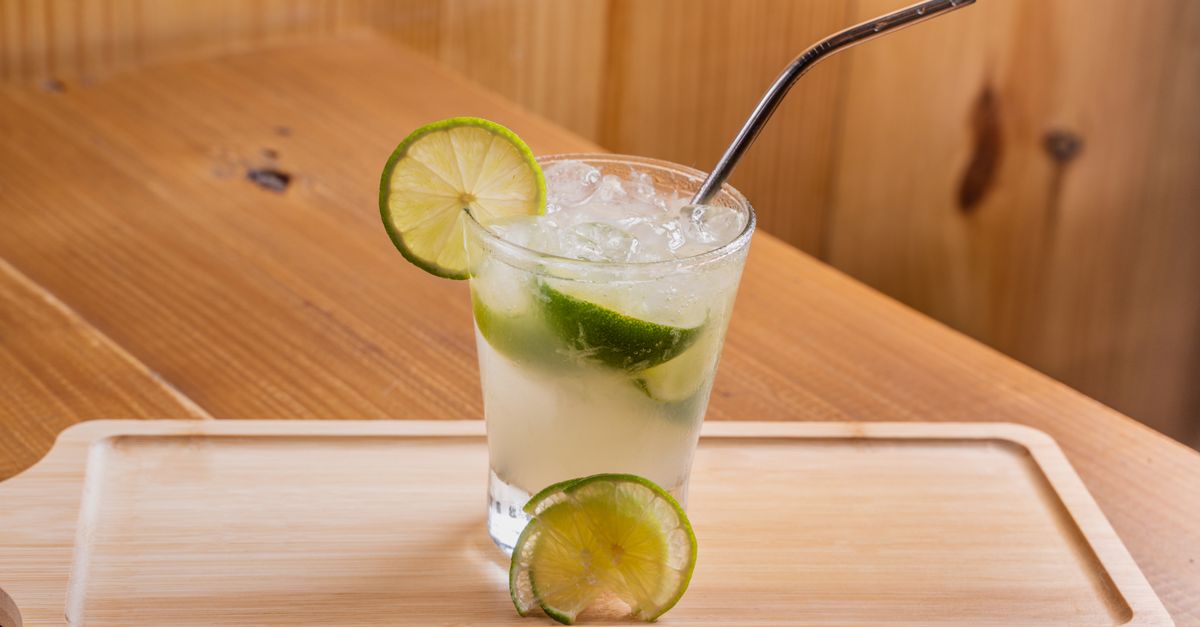
The ten drinks below all come in under 150 calories when made correctly — and that last qualifier matters more than the drink you pick. Order carelessly. A vodka soda that arrives with lime cordial instead of fresh lime and a generous pour of a flavoured syrup the bartender threw in without asking can climb well past 200 calories, a gap that has nothing to do with willpower and everything to do with knowing what to say when you place the order. The table covers each option at a glance, with the ordering detail that keeps the count honest.
Drink | Base Spirit | Approx. Calories | Key Ordering Note |
|---|---|---|---|
Vodka soda with lime | Vodka | ~90 | Ask for fresh lime, not lime cordial |
Wine spritz | Dry white wine | ~90–100 | Dry wine topped with soda, not lemonade |
Gin | ~95 | Specify soda, not tonic — tonic adds ~80 cal of sugar | |
Whiskey soda | Whiskey/Bourbon | ~105 | Ask for no sweetener or flavoured syrup |
Tequila soda with grapefruit | ~110 | Blanco only; decline agave syrup add-ins | |
Dry martini | Gin or vodka | ~120 | Extra-dry means less vermouth, marginally fewer calories |
Bloody Mary | Vodka | ~120–150 | Filling and nutrient-dense; calorie range depends on the bar's mix |
Hemingway daiquiri | White rum | ~130 | Grapefruit juice and maraschino, no simple syrup — confirm this explicitly |
Paloma with grapefruit soda | Blanco tequila | ~130 | Some bars use grapefruit juice with added sugar instead of soda |
Fresh lime margarita on the rocks | Tequila | ~140 | No triple sec; minimal agave nectar; fresh lime only |
A few of these deserve more than a row in a table. The gin and soda is probably the most underrated option on the list — people reflexively order gin and tonic without registering that tonic is sweetened water, full stop. The swap is invisible to the palate if you add a squeeze of citrus, but it cuts the drink's calorie count by roughly 45%, which compounds meaningfully across a long evening. Similarly, the Bloody Mary looks indulgent, but the tomato base is low in sugar and the drink's thickness makes it slower to consume than most cocktails, which has its own moderating effect.
The paloma is worth understanding before you order it, because the calorie count swings significantly based on whether the bar uses a diet grapefruit soda or fresh-squeezed juice that may have been sweetened along the way. For a broader breakdown of how palomas and margaritas compare as lower-calorie agave-spirit options, this comparison of the two drinks' ingredients and variations is useful context before you order.
The Hemingway daiquiri is the one drink on this list where you need to say something specific unprompted: most bartenders will default to adding simple syrup. State clearly that you want it without, and confirm the grapefruit is fresh rather than a sweetened mixer.
What is a 'skinny' drink at a bar and is it actually lower in calories?
A "skinny" drink usually means a cocktail made with diet or sugar-free mixers, reduced syrup, or a lighter pour — but that's informal shorthand, not a regulated term. No standard definition exists. The bartender at a craft cocktail bar and the bartender at a chain restaurant are both free to use it however they like.
That gap matters in practice. Order a skinny margarita at a casual dining chain and there's a reasonable chance it arrives made from a pre-mixed "lite" margarita concentrate that shaves maybe 30 calories off the original — still landing at 200 or above. The label sounds like a meaningful swap; the actual difference is marginal.
Asking for a "skinny" version and leaving it there means trusting whoever's behind the bar to fill in the blanks. Some will use fresh citrus and skip the sugar. Others will grab the nearest diet ingredient and call it done.
The more reliable move is to name exactly what you want. "Fresh lime juice, half the agave, no simple syrup" produces a lighter margarita regardless of whether the bar has a skinny option on the menu — no trust in terminology required. For a gin and tonic, specifying diet tonic saves roughly 80 calories; switching to soda water saves the same amount and costs nothing extra. Specific instructions beat labels every time.
What to say to your bartender to keep any order low calorie
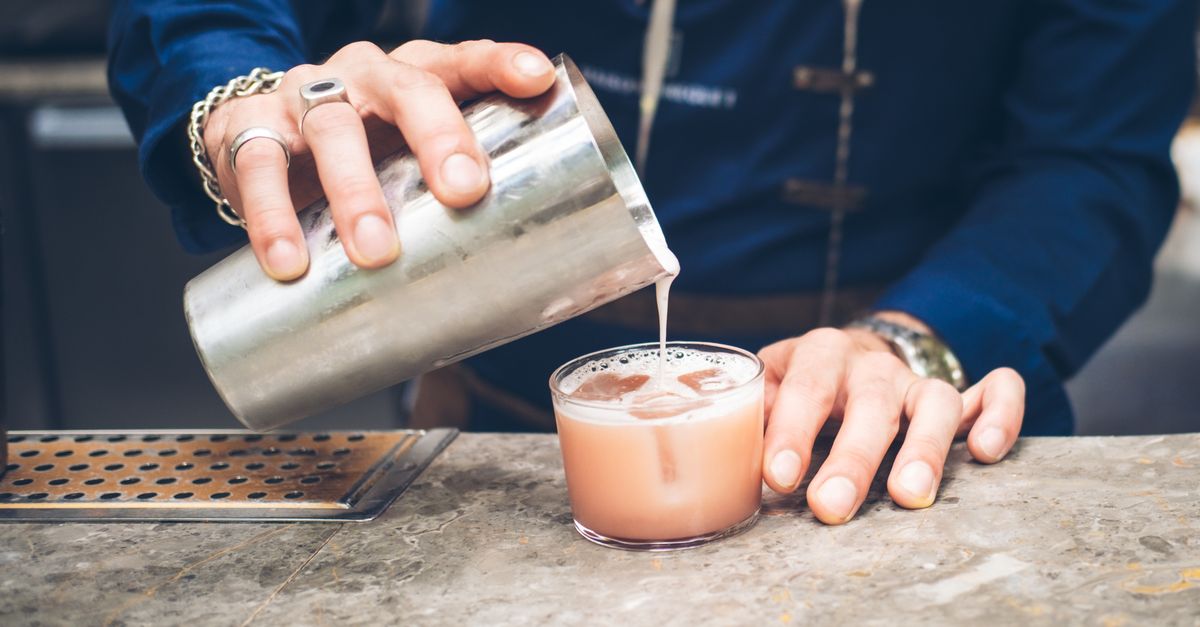
Four specific phrases do most of the work. Tell the bartender "no simple syrup" or "half the syrup" — not "make it healthy" or "keep it light," which are interpretable a dozen different ways and will almost certainly land you a full-sugar pour because the bartender defaults to the standard recipe. Ingredient instructions land. Wellness goals don't.
For anything ordered off a menu that lists a named mixer — margarita mix, sour mix, sweet and sour — ask "what's in the house mix?" before committing. Pre-made bar mixes are frequently sugar-heavy. They can add 80–120 calories before the spirit even enters the glass, and a bartender who actually knows what's in the mix can often swap in fresh lime juice and a splash of agave, or skip the mix entirely if you ask directly rather than hoping they'll read between the lines.
If you're ordering a vodka or gin drink with tonic, say "soda water instead of tonic." Zero calories versus roughly 83 per 8 oz — a single swap that is probably the highest-calorie-per-word exchange available to you at a bar, and one that costs you nothing in flavour if the spirit is decent. For guidance on vodka cocktails worth ordering at a bar and how they're typically built, that breakdown is useful before you arrive.
When in doubt, order the spirit on the rocks and ask for a citrus wedge on the side. A squeeze of lemon or lime adds flavour without touching the calorie count — and you control exactly how much goes in.
One more thing: "light" beer isn't automatically a safe fallback. Several light lagers still clock 100–110 calories per 12 oz, which beats a well-made skinny cocktail by almost nothing.
Get Your Venue Discovered
List your venue on WhatDrink so people searching for their next drink by style, location and occasion can find you.
List Your VenueWhich cocktails look low calorie but aren't?
The drinks most likely to trip you up are the ones built around a clear or wine-based spirit — they look restrained, but the mixers quietly double or triple the calorie count. Vodka in a Moscow Mule is fine; the ginger beer carrying it is typically 100–130 calories per four ounces, pushing the finished drink to 200–220 before the copper mug even hits the table.
Mojitos fall into the same trap. The rum is the least of your worries. It's the sugar syrup and the barspoon of white sugar muddled with the mint that push a single serve toward 180–220 calories, depending on how heavy-handed the bar pours.
Classic margaritas — meaning triple sec and a sweetened house mix, not fresh lime — routinely land at 250–300 calories. The Long Island iced tea is the extreme case: four spirits layered with sweet and sour mix and a cola float put it north of 350 calories. The name signals nothing about the contents.
⚠️ One counterintuitive note: the Aperol Spritz lands at roughly 150–175 calories, which is lower than most people assume and lower than all of the above. It's not calorie-free, but it doesn't belong in the danger category either.

How to find low calorie drink options when a bar has no nutrition information
Without a menu calorie count, your best tool is a mental model built before you walk in. Most bars in the US are not legally required to post nutrition information — that obligation only kicks in for chain restaurants with 20 or more locations, so independent spots and smaller groups operate with no disclosure rules at all.
The framework that holds up across almost any build: spirit + soda water lands around 90–110 calories; spirit + fruit juice pushes into the 120–180 range depending on pour size; spirit + cream or liqueur reliably clears 200. When the cocktail name gives nothing away, asking the bartender what's in it is more informative than guessing — a word like "velvet" or "royal" usually signals cream or egg white.
Before a night out, WhatDrink's low-calorie filter lets you look up standard cocktail builds with nutrition estimates. Custom bar builds deviate. That's the real limitation — any figure is approximate when the bartender is free-pouring against a house recipe that differs from the standard version you researched at home. Chain restaurant cocktail menus are a better bet, since many publish calorie data on their websites even when it's absent from the printed menu.
It's also worth knowing that plenty of bar-goers aren't drinking exclusively alcohol anyway. NIQ data cited by Little Saints found that 47% of on-premise visitors mix alcoholic and non-alcoholic options in the same outing — meaning a low-calorie non-alcoholic round is already a normal order, not an odd request.
FAQ
What are the best cocktails with the lowest calorie count?
The lowest-calorie cocktails at most bars are vodka soda, gin and tonic (made with a light tonic or soda water), tequila with fresh lime juice, and a classic Martini — all of which come in under 150 calories when made without added syrups or juice blends. Vodka soda is typically the leanest. A squeeze of citrus keeps it around 90–100 calories, because it combines a low-calorie base spirit with a zero-calorie mixer and nothing else, which means there is nowhere for hidden sugar to enter the glass. Sticking to clear spirits — vodka, gin, tequila, or white rum — paired with soda water or fresh citrus gives you the most control over what ends up there.
What is a skinny drink at a bar?
A "skinny" drink at a bar usually means the cocktail has been modified to reduce calories, most often by replacing sugary mixers with diet sodas, light juices, or sugar-free syrups. No industry standard governs the term, which matters more than most people assume — one bartender's skinny margarita might still contain agave syrup or triple sec while another's is made with just tequila, soda, and lime, a difference of 100 calories or more in the same-sounding order. Ask what was actually swapped out. Accepting the label at face value is the less reliable approach.
What is the best cocktail when trying to lose weight?
No single cocktail is a weight-loss tool, but if the goal is to drink occasionally while keeping calories low, a vodka soda with fresh lemon or lime is the most practical choice — roughly 90–110 calories, no sugar, and easy to order at any bar. Tequila with soda water and lime is a close alternative with a similar profile, and a dry Martini works well for those who prefer something spirit-forward without sweet additions. The broader principle is to choose a clear base spirit, avoid pre-made mixes and liqueurs, and keep the mixer to soda water or fresh citrus rather than anything bottled or sweetened — because those bottled options are almost always where the calorie count quietly doubles.
How to order low calorie cocktails at a bar: the decision framework
The through-line across every section of this guide is simpler than it might look by the end of it. Clear spirit, low-calorie mixer, specific language with the bartender — that is the whole framework. A vodka soda, a tequila with soda and lime, a gin with soda and a citrus wedge: these orders land under 120 calories almost regardless of which bar you're in, because none of their components carry hidden sugar. The moment you add a house mix, a flavored liqueur, or anything pre-batched, you are working without a map.
The place most people go wrong is assuming that vague shorthand does the work for them. "Light" or "skinny" hands the interpretation to whoever is behind the bar that night. A bartender at one venue might read "skinny margarita" as tequila, fresh lime, and a splash of soda — maybe 120 calories — while across town the same phrase might trigger a well-meaning pour of sour mix and a diet sweetener, landing closer to 180 calories in a glass that sounds identical. Neither bartender made a mistake; they just filled in a gap differently.
Specificity solves that. Saying "vodka soda with fresh lime, no simple syrup" takes about four seconds longer than "something light" and leaves almost nothing to interpretation. Most bartenders respond well to this kind of precision — it makes their job easier, not harder, because they are not guessing at a preference. The same logic applies when modifying something on the menu: "Can you make that with soda instead of tonic, and skip the triple sec?" is a normal, accommodating request in any bar that takes its service seriously.
⚠️ The cocktails most worth avoiding are the ones that look restrained — a Cosmo, an Aperol Spritz, a flavored Mule — because their calorie counts are buried in components that seem incidental. A splash of cranberry, an ounce of Aperol, a ginger beer: each adds 60–100 calories to what reads as a light, refreshing drink. Knowing which mixers carry weight (and which don't) matters more than memorizing a list of approved cocktails.
What makes ordering low calorie drinks at a bar a skill rather than a simple menu lookup is that bars don't publish nutrition labels, menus change, and the same drink name means different things in different rooms. The readers who do this well are not working from a fixed list — they understand why a vodka soda is lean (clear spirit, zero-calorie mixer, nothing added), which lets them improvise confidently at any venue. That understanding travels with you. A fixed list stays home.
Most bartenders will accommodate a specific request without friction, particularly if it's phrased as a preference rather than a correction. Choosing a clear base spirit and pairing it with soda water or fresh citrus covers the vast majority of situations — and telling the bartender exactly what to leave out, rather than hoping a vague label does that work, is what keeps the calorie count honest without needing to interrogate the menu or carry a calculator into the room.