Brandy drinks are easy to make — easier than most people expect from a spirit that sounds vaguely old-fashioned and formal. The simplest options need nothing more than brandy and a mixer: brandy and ginger ale over ice, brandy and soda with a squeeze of lemon, or a brandy old fashioned built from brandy, a sugar cube, and a dash of bitters. Two or three ingredients. That covers most of what you'll make tonight, and none of it requires anything approaching bartender training.
Brandy's flavor runs warm and fruity, with a lightly sweet backbone that comes from the grapes or other fruit it's distilled from. It lacks gin's botanical sharpness. It also sits well away from whiskey's smokier edges, which makes it unusually cooperative with sweet mixers, citrus, ginger, and cream — a range wide enough that beginners who find bourbon too aggressive or vodka too neutral often land on brandy and stay there for years.
The ten recipes here were chosen for exactly that simplicity — no muddling, no specialty syrups, nothing that requires a bar cart full of obscure bottles. A few need only two ingredients. The most involved ones top out at three. If you have brandy and something to mix it with, you're already ready.
What can I mix brandy with? The best common mixers
Brandy pairs well with ginger ale, cola, citrus juices, apple juice, cream, and coffee — and it's more forgiving than most spirits because its natural fruit and oak character meets those flavors halfway rather than fighting them.
Ginger ale is the single most reliable option. The spice and carbonation round off brandy's warmth without masking it, which is why the combination works even with a mid-shelf bottle. Cola and lemon-lime soda (Sprite) both function similarly — easy carbonation, low effort, drinkable result. Apple juice is underrated here; brandy is distilled from wine grapes or other fruit, so apple pulls in the same direction rather than pulling against it. Orange juice works for the same reason. Citrus clashes less with brandy than it does with, say, dark rum or aged tequila, because those fruit notes are already built into the spirit.
Cream and coffee push things toward dessert territory — a splash of cream over ice turns brandy into something closer to a digestif you'd actually want in August.
⚠️ What doesn't work: aggressive tonic water — the quinine bitterness scraps with the oak — and heavy herbal bitters used as a primary mixer rather than an accent. A dash is fine. Building a drink around them isn't.
Three two-ingredient brandy drinks anyone can make
Two ingredients is all you need to make a drink worth sipping tonight — brandy's natural warmth does most of the work once you give it the right partner.
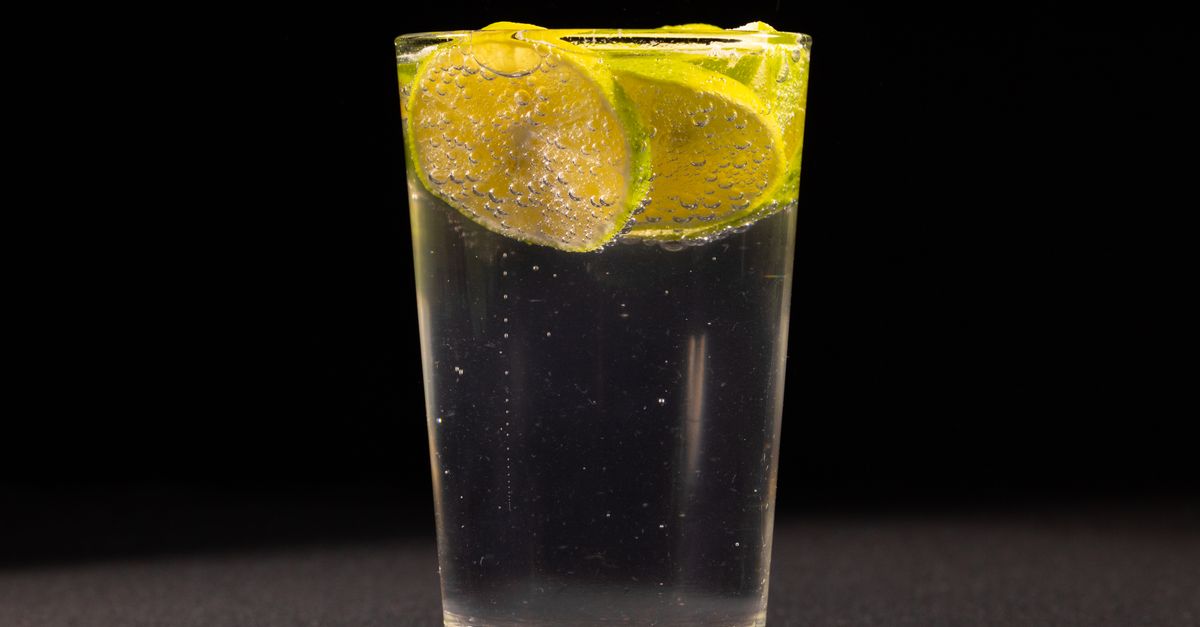
Brandy and ginger ale is the starting point for most people. Pour 2 oz brandy over ice in a highball glass, top with 4 oz ginger ale, and stir once — the spice cuts through brandy's sweetness without competing with it, which is exactly what you want from a two-part build.
Brandy and apple cider feels seasonal, but store-bought cider makes it a year-round option. Same ratio. The apple notes echo what's already present in most mid-range brandies, and if you've never tried the combination, the fit feels almost accidental — it's that natural.
Brandy and Sprite is the one people search for specifically, and it earns that attention. Lighter than ginger ale, less rustic than cider. It produces a bright and fizzy drink that doesn't taste like a spirit drink at all — a good entry point for anyone who thinks they dislike brandy but hasn't found the right glass yet.
One thing to keep in mind: two-ingredient builds leave the brandy more exposed than a layered cocktail does. A $15 bottle works fine in a Sidecar, but here the brandy's character carries the whole glass — so it's the one context where spending a little more actually shows.
Five classic brandy cocktail recipes worth knowing
These five cocktails appear on nearly every brandy list for good reason — they're proven, they're reproducible, and between them they cover every occasion from a weeknight drink to a dinner-party dessert course.
Cocktail | Key ingredients | Beginner-friendly? | Specialist item needed? |
|---|---|---|---|
Brandy Old Fashioned | Brandy, sugar, bitters, soda | ✅ Yes | ❌ No |
Sidecar | Brandy, triple sec, lemon juice | ⚠️ Almost | ✅ Triple sec |
Brandy, lemon juice, simple syrup | ✅ Yes | ❌ No | |
Brandy, dark crème de cacao, cream | ⚠️ Almost | ✅ Crème de cacao | |
Brandy Manhattan | Brandy, sweet vermouth, bitters | ✅ Yes | ❌ No |
Brandy Old Fashioned — the Wisconsin version is what most people mean when they order one: a cherry muddled with sugar and bitters, brandy poured over ice, finished with soda. The soda choice changes the whole drink: sweet (lemon-lime soda) makes it easy-drinking, sour (Squirt or grapefruit soda) gives it a citrus edge, and press (half soda water, half lemon-lime) splits the difference.
Sidecar — brandy, triple sec, and fresh lemon juice in roughly a 2:1:1 ratio. Too much lemon turns it harsh; too little triple sec makes it flat. If you're out of triple sec, a rundown of suitable substitutes — from Cointreau to a plain orange syrup — is worth reading before you improvise.
Brandy Sour — shake two ounces of brandy with three-quarters of an ounce each of lemon juice and simple syrup, then strain into a rocks glass over ice and finish with a cherry. Five minutes. No specialist bottles required, no obscure liqueurs lurking in the background to derail a weeknight pour.
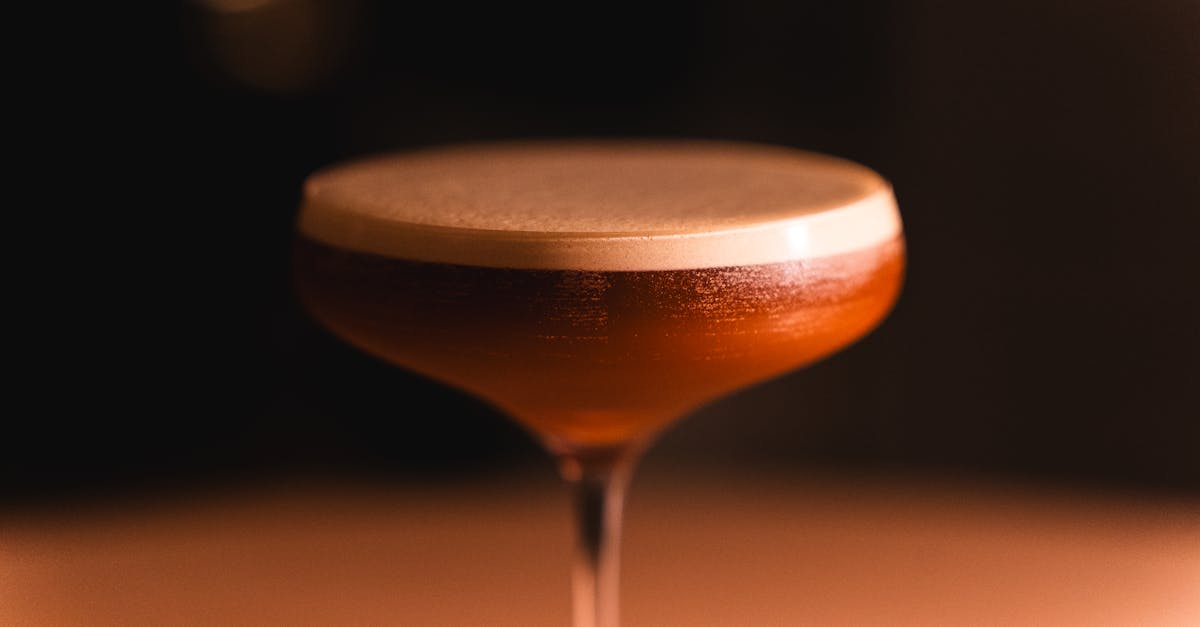
Brandy Alexander — equal parts brandy, dark crème de cacao, and heavy cream, shaken and strained into a coupe. It's a dessert in a glass, and it regularly converts people who claim they don't like spirits.
Brandy Manhattan — substitute brandy for rye or bourbon, stir with sweet vermouth and a dash of bitters, strain and serve up. Simpler to make than it sounds, and brandy gives it a softer, fruitier character than the whiskey original.
Sweet brandy cocktails for people who don't usually drink spirits
Fruit juice, a splash of grenadine, or a measure of sweet wine will take brandy from "tastes like medicine" to something a wine drinker finishes without complaint. These builds work because sweetness and acidity redirect attention away from the spirit's burn.
The Brandy Daisy is probably the best entry point: brandy, a splash of curaçao or triple sec, fresh lemon juice, and a top of soda. The citrus cuts any harshness, the orange liqueur adds sweetness, and the result reads more like a fancy lemonade than a spirit cocktail. A grenadine and OJ build — brandy, orange juice, a pour of grenadine — is the option that reliably pleases a group with conflicting tastes. Nobody argues with a drink that tastes like a sunrise and costs less than a craft beer to make at home.
For something with a bit more history behind it, the Brandy Sangaree combines brandy with a measure of port or sweet wine, a small amount of sugar, and grated nutmeg on top. It's warming and old-fashioned in the best sense.
One practical note: sweetness masks the rough edges on cheaper bottles, which makes these recipes sensible choices for a budget brandy.
Get Your Venue Discovered
List your venue on WhatDrink so people searching for their next drink by style, location and occasion can find you.
List Your VenueHow to make brandy slush — the make-ahead crowd drink
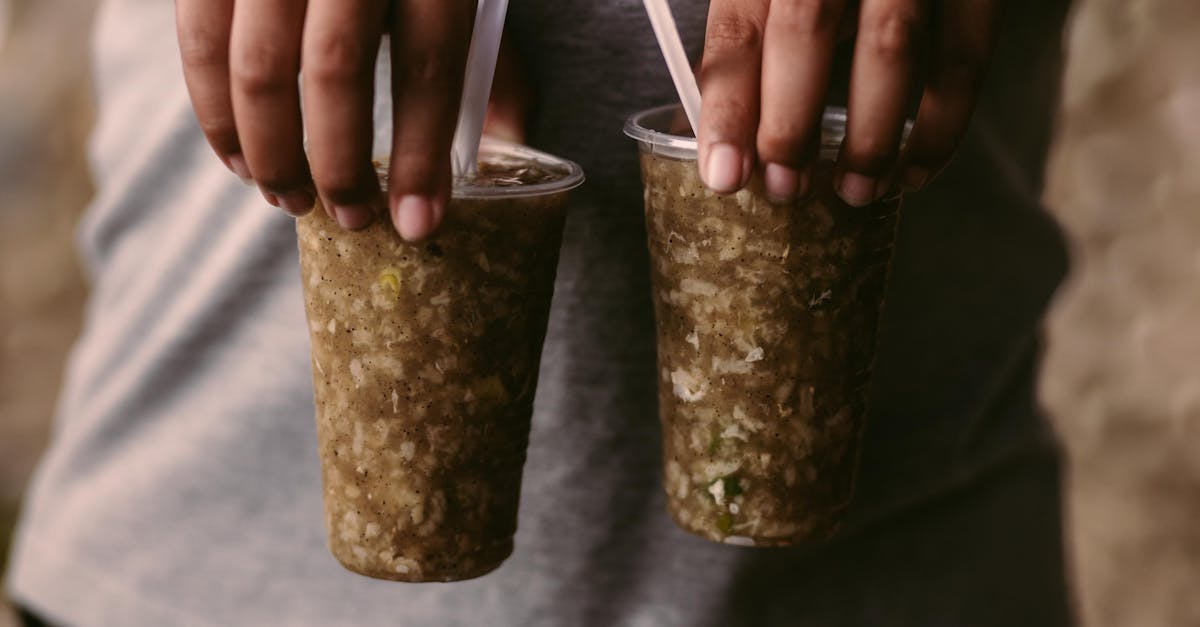
Brandy slush is a batch drink you assemble the night before, freeze, and scoop into glasses while your guests are already talking. The full recipe: one can of frozen lemonade concentrate, one can of frozen orange juice concentrate, two cups of strong brewed tea (cooled), and two cups of brandy — combined in a large freezer-safe container and left overnight. Simple assembly, zero night-of fuss.
The question most recipes skip: how long does it actually need to freeze, and does it go solid? Minimum eight hours. Twelve to twenty-four is better, and if you can manage that longer window, the texture becomes noticeably more even throughout the container. It will not freeze completely solid — brandy's alcohol content depresses the freezing point enough to keep the mixture perpetually slushy and scoopable rather than a block of ice. Pull it out, scrape the top with a spoon, and pack a cup. Then top each serving with lemon-lime soda, which lightens the texture and adds a little fizz.
For groups of twelve to sixteen, this is almost unfairly easy. No shaker, no bartender hovering behind the table. If you want a different flavor direction, swap the lemonade concentrate for cranberry juice — it pulls the whole drink darker and slightly tart, which works surprisingly well for autumn gatherings where the citrus-forward version feels a touch too bright. For more ideas in the same spirit, this guide to frozen alcohol drinks covers batch-freezing techniques worth browsing before your next gathering.
Which brandy should you buy for mixing cocktails?
For most of these recipes, a VS cognac or a mid-shelf American brandy in the $15–25 range is all you need. That tier covers the soda builds, the slush, and the juice pairings without any sense of waste — you're not pouring something refined into a glass full of ginger ale.
The one real exception: the Sidecar. That drink is simple enough that the brandy's character shows through, and a VSOP cognac — aged longer, smoother on the edges — makes a meaningful difference there. For the slush or anything mixed with fruit juice, spending up gets you nothing.
One assumption worth pushing back on: cognac and brandy are not interchangeable labels. Cognac is a subset of brandy. It's produced in a specific French region under strict appellation rules that govern everything from the grape varieties to the distillation method and minimum aging periods — which is precisely why it commands a higher price, though that premium rarely survives a shaker full of citrus and ice.
Spanish brandy is a category American home bars largely overlook. Something like Cardenal Mendoza carries a richer, slightly sweeter profile that pairs well with the dessert-leaning recipes earlier in this list — and it usually costs less than a comparable French bottle.
Flavored brandies (apple, peach) are a real choice, not a drop-in substitute. They shift the drink's character substantially. Treat them as a separate ingredient with its own role in the recipe rather than a quick swap for whatever the bottle calls for — the flavor difference is pronounced enough that your guests will notice. If you want to compare brandy styles by flavor before you buy, WhatDrink lets you filter spirits by profile and occasion — useful when you're deciding between a fruity expression and something drier.
FAQ
What can I mix brandy with?
Brandy mixes well with ginger ale, cola, lemon juice, orange juice, apple cider, and cream-based liqueurs like Baileys — most of which you probably already have at home. The warm, fruity base plays nicely with both sweet mixers and tart ones, making it work in everything from a simple two-ingredient highball to a layered cocktail built around three or four components. Start with ginger ale. Nothing more than ice and a glass required.
What are some good brandy drinks for beginners?
Brandy and ginger ale is the most approachable starting point — sweet, fizzy, thirty seconds to make. The Brandy Sour is a close second for anyone who has a lemon on hand: brandy, lemon juice, a little sugar, and the tartness balances the spirit's richness without masking it, which means the brandy still registers rather than disappearing behind the acid. Both drinks keep the spirit recognizable without demanding that you enjoy it straight.
What is a common mixer for brandy?
Ginger ale is the single most common mixer, and for good reason: its mild spice and carbonation complement the spirit's natural sweetness without competing with it. Cola is a close second. It produces a darker, slightly more bitter drink that works especially well with VS or VSOP Cognac — the spirit's dried-fruit character holds its shape against the cola's caramel edge rather than disappearing into it, which is less predictable than it sounds given how assertive cola can be. Both options are available in any grocery store.
What are classic brandy cocktails I should know?
The Sidecar, the Brandy Alexander, and the Brandy Old Fashioned are the three recipes that appear most consistently on classic cocktail lists, each representing a different style — sour, creamy, and spirit-forward, respectively. The Stinger (brandy and white crème de menthe) is older than most people realize, and still worth making if you've never encountered it. Learning these four gives you a working map of how brandy behaves across different cocktail categories.
Where to Start if You're New to Brandy Drinks Tonight
If you've never mixed brandy before, start with brandy and ginger ale. Pour two ounces of brandy over ice, top it with ginger ale, and add a squeeze of lemon if you have one sitting around. Takes less than two minutes. It tells you immediately whether you like brandy's character — the dried-fruit warmth, the slight oakiness — without any technique or equipment getting in the way.
If you do have a lemon, the Brandy Sour is a better introduction. It's a little more structured: two ounces of brandy, three-quarters of an ounce of lemon juice, half an ounce of simple syrup, shaken and strained. The acid cuts through the spirit's sweetness in a way that makes brandy taste simultaneously lighter and more interesting. Many people who claim they don't like brandy revise that opinion after trying it in a sour format — something about the citrus reframes the whole flavor.
What makes brandy more forgiving than, say, gin or Scotch is that its flavor profile doesn't polarize in the same way. Gin's botanicals divide people hard. Peated whisky is an acquired taste that many drinkers never fully acquire. Brandy's fruit-and-oak combination lands somewhere most palates are already comfortable with, which means small adjustments — a little more citrus, a splash of soda, a drizzle of honey — tend to produce something drinkable even when the ratios aren't precise. That's a genuine advantage if you're experimenting rather than following a recipe to the letter.
Brandy rewards tinkering quickly, without requiring you to develop a specialized palate before things start tasting good — which is not something you can say about every spirit category. The Brandy Alexander works as a dessert drink even for people who approach spirits with suspicion, because the cream and chocolate liqueur do most of the persuading. The brandy slush works for a crowd of twelve on a Saturday afternoon with minimal effort, almost regardless of who's pouring. The Sidecar is something you can bring out when you want to look like you know what you're doing.
So: look at what's already in your house tonight. Ginger ale and brandy? Make the highball. A lemon and some sugar? Try the Sour. Cream and chocolate liqueur? The Alexander. Pick one recipe from the list above that matches what's already on the shelf and make it — that's a more useful starting point than buying new ingredients for a drink you're not sure you'll like.