
Gin is one of the most versatile spirits you can keep at home. The gin cocktails to make at home range from a two-ingredient pour you can mix in 30 seconds to layered classics that reward a little practice — and this piece covers twelve of them: Gin and Tonic, Gin Rickey, Tom Collins, Negroni, Martini, Gimlet, Bee's Knees, Sloe Gin Fizz, Elderflower Gin Spritz, Gin Bramble, Pimm's Cup, and Singapore Sling. Some require nothing but a glass and a bottle opener. Others need a cocktail shaker, a strainer, and a jigger — tools that together cost less than a decent bottle of gin, which means the upfront investment is smaller than most people assume when they first start mixing at home.
Before you start, stock a few baseline ingredients: a dry London gin (something mid-range works fine), tonic water, fresh lemons and limes, simple syrup, and ice. Vermouth and Campari unlock the classics. Elderflower cordial and fresh berries, on the other hand, take you toward the fruitier end of the spectrum — and a cutting board with a sharp knife rounds out the setup either way.
The recipes below move roughly from easiest to most involved, so if you're newer to mixing, the first few sections are the natural place to start.
What is the easiest gin cocktail to make at home?
A gin and tonic is the floor — two ingredients, no technique, and it rewards a decent bottle more than almost any other drink, which is a harder combination to pull off than it sounds. Fill a highball glass with ice, pour 2 oz of gin, and top with 4 to 5 oz of cold tonic water. A wedge of lime or a few juniper berries if you have them, but even those are optional.
The ratio matters more than people assume. Too much tonic and the gin disappears; too little and the drink becomes sharp and slightly medicinal. The 1:2 to 1:2.5 range (gin to tonic) is where most people land, though a gin with bold citrus botanicals can handle the higher dilution better than something more delicate.
One practical tip: pour the tonic over the back of a spoon held just above the ice. It breaks the pour and preserves the carbonation instead of collapsing it into a fizzy rush — a detail that separates a flat drink from a lively one. Three extra seconds. Worth the pause.
If you want the next step up without adding much complexity, the gin rickey is it — gin, fresh lime juice, soda water. Around 2 oz gin, ¾ oz lime, topped with soda. No sweetener, which makes it leaner and sharper than a gin and tonic, with a brightness that sugary mixers rarely achieve because the lime does all the structural work a syrup would otherwise handle.
Both drinks expose the gin itself more nakedly than a shaken cocktail would, which means the bottle you choose matters in a way that gets obscured once you add egg white or vermouth or a liqueur. A London Dry with pronounced juniper will taste assertively piney; a New Western or contemporary style — heavier on cucumber or floral notes — will read softer and more aromatic. This is actually an argument for experimenting with different gins in a G&T before you commit to anything more involved, since the drink gives you a cleaner read on a bottle's character than almost any other format.
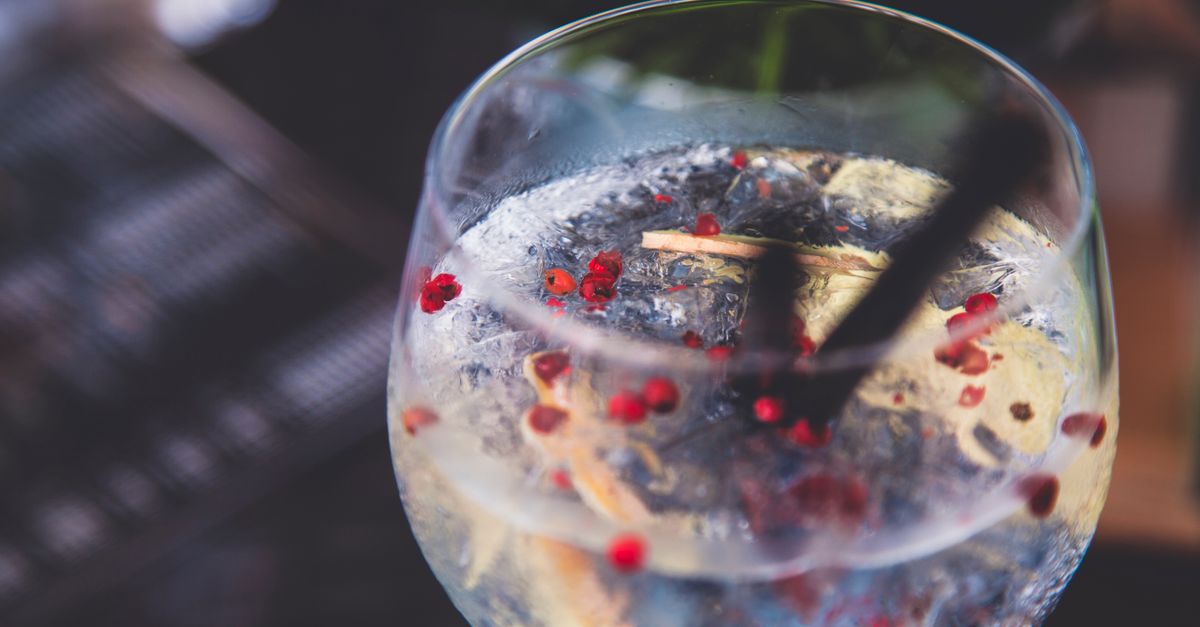
3-ingredient gin cocktails that actually work
Four cocktails here, each capped at three components, each earning its place — no filler recipes included to pad the count. The constraint of three ingredients forces every component to justify itself, which is why these particular drinks have survived decades of trend cycles.
The Gimlet is 2 oz gin, 0.75 oz fresh lime juice, 0.75 oz simple syrup — shaken hard, strained into a coupe. The ratio sits at equal parts lime and syrup because the goal is balance rather than sweetness: you want the gin's botanicals audible behind the citrus, not buried under sugar. Fresh lime matters. Bottled juice is pasteurized and oxidized, which flattens the brightness that's doing most of the work in a drink with this few ingredients — squeeze it yourself and the cocktail tastes like an actual decision was made.
The Bee's Knees swaps lime for lemon and replaces simple syrup with honey syrup, using the same 2:0.75:0.75 framework. One part honey stirred into one part warm (not boiling) water until dissolved — ninety seconds, keeps in the fridge for two weeks. The honey adds a faint floral undertone that amplifies certain gin botanicals, particularly chamomile-forward or citrus-heavy gins, in a way plain sugar never does, and that layering is the whole reason to bother making it.
The Southside shares the Bee's Knees backbone — gin, lemon, simple syrup — but trades the honey for six or seven fresh mint leaves muddled directly in the shaker before everything else goes in. Somehow it produces a completely separate drink: cooler, more herbal, better suited to warm weather than almost anything else in this format. Muddle gently. Crushing mint aggressively releases chlorophyll from the stems and turns the whole thing slightly bitter and vegetal, which no amount of extra syrup rescues.
The same muddling caution applies to the cucumber gin smash: 2 oz gin, 3–4 slices of unpeeled cucumber, 0.75 oz fresh lime. Light pressure only — just enough to break the cucumber down without pulping it. Shake with ice and double-strain to catch the solids, then taste before you decide it needs anything else. The result is quieter than the others, cucumber barely asserting itself, mostly providing a soft green backdrop that lets the gin show through.
All four drinks are shaken because each contains citrus or a muddled element — stirring simply can't emulsify acid and spirit the way ice agitation does. Think of it as a structural rule rather than a stylistic preference: if juice or muddled ingredients are in the shaker, the shaker needs to move.
Classic gin cocktails every home bartender should know how to make
Five drinks — Negroni, Dry Martini, French 75, Tom Collins, Gin Fizz — cover the full technical range of what gin asks of you at home. Learn these and you have the architecture behind most other gin drinks you'll ever encounter.
The Negroni runs on a 1:1:1 ratio of gin, sweet vermouth, and Campari. Equal parts is the agreed starting point, not a law handed down from somewhere — plenty of bartenders nudge to 1.5:1:1 on the gin when they want something drier, or pull back the Campari if the drinker finds it aggressively bitter. Stir over ice until the outside of the glass is cold, strain into a rocks glass over a large cube, and finish with an orange peel. That's the whole structure. If you want to make one without vermouth, there are workable substitutes worth considering — but the drink shifts character considerably, so go in knowing what you're trading.
The Dry Martini is the one people overthink most. Stir it — always stir, never shake. Shaking introduces tiny ice shards and clouds the gin, which is fine in a Gimlet, unwelcome here. The gin-to-vermouth ratio is a personal call; somewhere between 4:1 and 6:1 is a reasonable range, though the drier you go, the more the gin has to carry the drink alone. The other decision is garnish: olive or lemon twist. They pull the drink in completely different directions — an olive adds salinity and weight, a twist lifts the botanicals. This breakdown of the olive vs twist choice for a dry martini explains the flavour logic if you want to work out which direction suits your palate.
The French 75 is gin (45ml), fresh lemon juice (20ml), simple syrup (15ml), shaken and strained, then topped with around 60ml of Champagne or dry sparkling wine. The ratio that keeps it from turning cloying is restraint on the syrup — 15ml is already generous. Some recipes list 20ml; at that level the drink softens into something less interesting. Shake the first three ingredients hard, strain into a coupe, add the bubbles gently last.
Tom Collins vs Gin Fizz — the difference is a single ingredient and a technique. A Collins is gin, lemon, sugar, soda, built over ice in a tall glass. A Fizz adds egg white and requires a dry shake first: combine everything without ice, shake hard for 15-20 seconds to emulsify the egg, then add ice and shake again. The foam that forms is the point. If the idea of raw egg white puts you off, aquafaba (the liquid from a tin of chickpeas) is a reasonable stand-in and produces a similar texture.
Of these five, the Negroni demands vermouth; so does the Martini. The French 75, Collins, and Fizz need none.

Fruity gin cocktails to make at home
Fruit and gin are a natural pairing, and four drinks in particular — the Bramble, sloe gin fizz, grapefruit spritz, and elderflower collins — cover almost every occasion from a quiet weeknight pour to a garden party jug. Each works differently, and picking the wrong gin base can flatten the whole thing.
The Bramble is the one to learn first. It's gin, fresh lemon juice, and simple syrup over crushed ice, with blackberry liqueur (classically Crème de Mûre) floated on top at the end. That float isn't decoration — poured slowly over the back of a bar spoon, it sinks gradually through the drink as you sip it, so the flavour shifts from sharp citrus at the top to rich berry at the bottom. Use a London Dry here; something juniper-forward cuts through the sweetness. A citrus-led gin gets lost.
Sloe gin fizz is a different animal because sloe gin isn't really gin — it's a liqueur made by infusing gin with sloe berries and sugar, sitting around 25% ABV rather than 40%. That lower strength changes the pour: roughly 60ml where you'd use 45ml of standard gin, and you can cut the simple syrup entirely since the sloe gin brings its own sweetness. Top with soda. The result is lighter, redder, and notably more forgiving than a standard gin fizz — good for guests who find straight gin assertive.
Grapefruit gin spritz scales easily into a pitcher. That makes it the right call when you're hosting a crowd rather than building drinks one at a time, and it spares you the tedium of measuring individual portions when conversation is already happening. Combine gin, fresh grapefruit juice, a splash of elderflower liqueur (St-Germain is the obvious choice), and top with prosecco. A citrus-forward gin like Tanqueray Sevilla or Beefeater Pink suits this better than anything heavily botanical, which can turn the grapefruit oddly medicinal.
That elderflower liqueur versus elderflower cordial distinction matters in the collins variant. Cordial is non-alcoholic and considerably sweeter, so use roughly half the volume — a single adjustment that's easy to forget and throws the balance noticeably when you miss it, especially in a taller drink where soda amplifies every off-note. Cordial is the more approachable call for a low-ABV crowd. The principles here overlap with the gimlet family; this breakdown of gimlet ratios and citrus balance is useful if you want to understand why lemon and lime behave so differently against gin.
⚠️ One general caution: heavily floral gins — think Hendrick's or any rose-forward style — clash badly with tropical fruits like mango or passion fruit. Botanicals compete. The effect is a muddled, vaguely perfumed drink that satisfies nobody, so stick to citrus, berry, or elderflower when the gin itself is already doing a lot of the flavour work.
Get Your Venue Discovered
List your venue on WhatDrink so people searching for their next drink by style, location and occasion can find you.
List Your VenueWhat is best to mix with gin? A practical guide to mixers
Tonic water, fresh citrus, and ginger beer cover the majority of what gin needs — everything else is refinement. The quinine bitterness in tonic is the reason a gin and tonic works at all: it cuts through juniper's resinous edge and creates a push-pull that neither ingredient could manage alone. Premium tonics (Fever-Tree, 1724, Double Dutch) use less sugar and more pronounced quinine than supermarket own-brand, which means the gin's botanicals stay audible rather than drowning in sweetness. For a floral or citrus-forward gin, though, the milder bitterness of a standard tonic can actually be the better call — drier tonic suits aggressive London Dry styles, but don't assume premium automatically means better pairing just because the bottle costs more.
Mixer | Works best with | Watch out for |
|---|---|---|
Premium tonic | London Dry, juniper-forward gins | Can overpower delicate floral gins |
Standard tonic | Citrus or floral styles | Sugar content dulls subtler botanicals |
Ginger beer | Aged or spiced gins, Gin-Gin Mule | Heat can mask the gin entirely |
Ginger ale | Lighter, aromatic gins | Very little heat; more sweet than spicy |
Fresh lemon juice | Sours, Tom Collins family | Rarely works raw — needs sweetener |
Fresh lime juice | Gimlet, Southeast Asian-style drinks | More aggressive acid than lemon |
Elderflower cordial | High-juniper or navy-strength gins | Sweetness stacks fast; measure carefully |
Ginger beer and ginger ale are not interchangeable — the difference matters more than people expect. Ginger beer carries genuine heat, and the Gin-Gin Mule depends entirely on that fire to balance mint and lime against the spirit's botanicals. Ginger ale is softer: more sweet than spicy, it suits lighter gins where you want the botanicals upfront without competition from anything approaching capsaicin-level warmth.
Elderflower and cucumber do similar work from different angles: they act as flavor bridges that soften gins with a heavy juniper spine. Cucumber-infused tonic, or even a few slices in the glass, suppresses the more aggressive pine notes without masking the gin's identity.
One thing to drop entirely: pre-made sweet and sour mix. Stabilized, often artificially flavored, and it flattens anything it touches — fresh lemon or lime juice with a small measure of simple syrup takes ninety seconds and produces a noticeably cleaner result.
If you want to explore gin drinks sorted by mixer type or flavor profile rather than hunting through recipe lists, WhatDrink lets you filter that way — useful when you have a bottle open and want to know what it suits. The catalog skews toward well-known recipes, so more obscure regional variations may not appear yet.
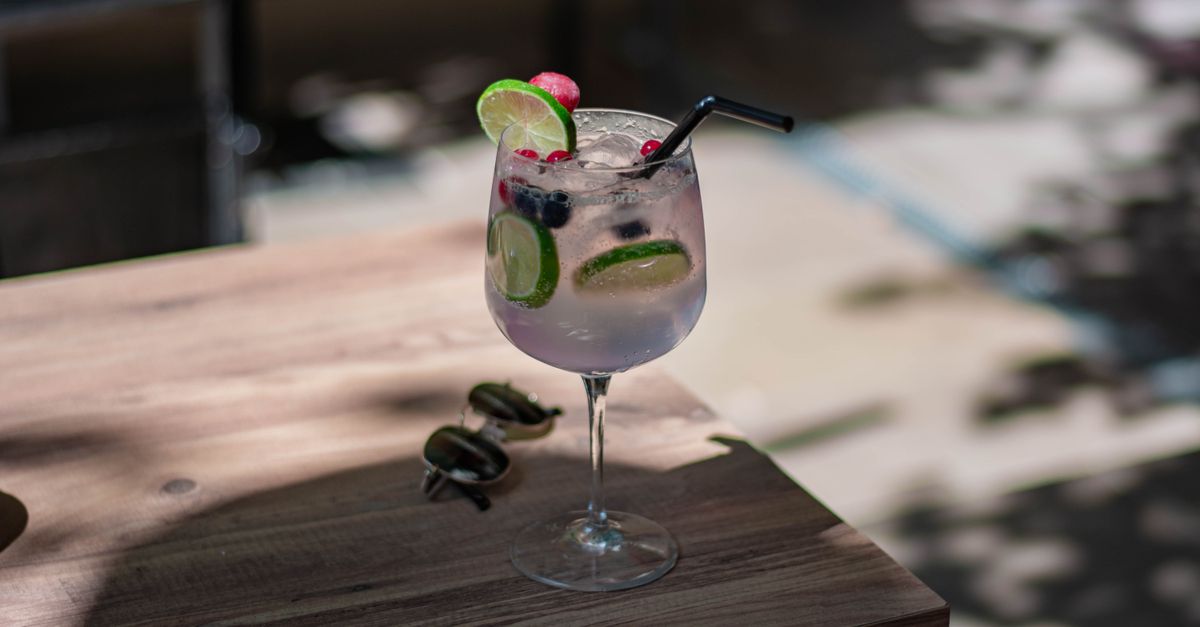
Low-calorie gin cocktails: which ones keep the count reasonable
A standard 1.5 oz pour of gin sits at roughly 97 calories — and on its own, that's one of the lower starting points in spirits. The real variable isn't the gin; it's everything else. Most gin cocktails land somewhere between 120 and 250 calories depending on the mixer, with a few builds staying well under that threshold without much sacrifice.
The lightest options are the gin rickey and gin and soda. Both use carbonated water as the primary mixer, a squeeze of citrus, and nothing else — putting a standard serve in the 110–125 calorie range. Reach for these first. The gin and tonic is slightly heavier, since tonic water contains sugar (typically 83 calories per 250ml can), but it's still moderate compared to most mixed drinks, and for many people the bitterness justifies the trade-off.
⚠️ What inflates the number is worth understanding before you start building cocktails:
Flavored syrups add 50–80 calories per half-ounce, more if poured generously
Elderflower liqueur (St-Germain, for example) adds around 100 calories per ounce — it's essentially sweetened spirit
Prosecco additions contribute about 60–80 calories per 2 oz, plus residual sugar
Cream or egg white adds another 30–60 calories depending on quantity
The Bee's Knees versus the Negroni is an instructive comparison. A Bee's Knees — gin, lemon juice, honey syrup — lands around 170–185 calories. Negroni territory is closer to 200–220, which surprises people who assume the absence of added sugar keeps it lean: sweet vermouth carries more residual sugar than most drinkers expect, and Campari brings its own contribution. Neither drink is especially calorie-dense, but the gap between them is real enough to matter if you're ordering three rounds.
One practical adjustment that holds up across builds: replace simple syrup with a smaller measure of honey syrup. Honey is roughly 1.5 times sweeter than table sugar, so you can cut the volume by about a third and keep the perceived sweetness intact — saving 20–30 calories per drink without dulling the flavour.
For anyone tracking more deliberately, this guide to lower-calorie cocktails worth ordering at a bar covers the broader landscape, including which classic formats translate best when you're working within a budget.
FAQ
What is the easiest gin cocktail to make at home?
A gin and tonic is the easiest gin cocktail to make at home: pour 50ml of gin over ice, top with tonic water in roughly a 1:2 ratio, and add a wedge of lime or cucumber if you have one. Two ingredients. If you want something with marginally more payoff for the same effort, a gin and lemonade follows the same logic — no technique required, just a decent pour ratio and a cold glass.
What are the top 5 gin cocktails?
The five gin cocktails that appear most consistently across bars and home bartending guides are the Gin and Tonic, the Negroni, the Martini, the Tom Collins, and the Gimlet. Between them they cover every major mixer category — carbonated, stirred spirit-forward, and citrus-sour. The Negroni and Martini take real practice to balance; the other three are accessible on the first attempt, and learning all five together gives you a working vocabulary for most gin-based drinking situations you are likely to encounter.
What is best to mix with gin?
Tonic water is the most versatile mixer for gin because its bitterness from quinine picks up the botanical character of the spirit rather than drowning it. Sweeter sodas do the opposite. Citrus — fresh lime or lemon juice — is the other reliable partner, forming the backbone of a Gimlet, a Tom Collins, or a Bee's Knees, and it works precisely because it amplifies the spirit's sharper edges rather than softening them. Beyond those two, dry vermouth and a light bitter liqueur like Campari are the mixers worth keeping on hand if you plan to move into the classics.
How many calories are in a typical gin cocktail?
A simple gin and tonic made with 50ml of gin and 150ml of regular tonic water comes in around 170–185 calories. That number climbs fast. Once syrups or fruit juices enter the glass, you can add 80 or 90 calories per serving without noticing, because the extra sweetness masks how much the total has shifted. Spirit-forward drinks like a Martini — mostly gin and dry vermouth — stay lower, often under 150 calories, because there is no high-sugar mixer pulling the number up. Swapping regular tonic for a light or slimline version takes roughly 50 calories off the standard pour.
How to approach making gin cocktails at home: a practical starting point
Gin is unusually forgiving across the skill spectrum. A two-ingredient pour can be excellent on its own terms — not a placeholder until you learn something better — and a properly made Negroni or Gimlet rewards the same spirit without demanding professional equipment. The actual decision on any given night is knowing which mode you are in: quick and low-effort, or patient and technique-led.
If you are starting out, pick one drink from the three-ingredient section — the Gimlet or the Bee's Knees are both good candidates — and make it twice before touching the classics. Make it twice. The first attempt calibrates your palate to the base ratio; the second is where you can actually taste whether the balance is right and adjust accordingly, which is much harder to do when everything is still unfamiliar and your reference point for "correct" hasn't settled yet. That repetition matters more than upgrading your gin.
Which brings up a point most beginners get backwards: the ratio in a recipe is more consequential than the bottle you use. A well-proportioned Gimlet made with a mid-range London Dry will outperform a sloppy one made with a premium botanical gin every time. Accepting that early saves money. The brand is a refinement you layer on later, once the structure of the drink makes sense to you and you can actually tell what the more expensive spirit is adding.
One practical note before you shop: scan the ingredient lists across these recipes and a clear pattern emerges. Fresh citrus, a sweetener of some kind (simple syrup, honey syrup, or sugar), and a bubbler (tonic, soda water, or lemonade) appear in more than half the drinks here, meaning that buying those three things alongside a bottle of gin sets you up for far more than one recipe — it covers most of the ground. Build that base first, and the more specialised ingredients like Campari or dry vermouth can follow when you are ready for the classics that need them.