
Dark rum works beautifully in a daiquiri — better, some would argue, than the white rum most classic recipes demand. The daiquiri recipe with dark rum follows the same proportions as the original: 2 oz dark rum, 1 oz fresh lime juice, ¾ oz simple syrup (or ½ oz rich Demerara syrup if you want something denser and less watery), shaken hard over ice and double-strained into a chilled coupe. That's the complete answer. The molasses depth and barrel character in dark rum stand up to citrus in a way that unaged white spirit often can't, producing a drink that feels both more complex and slightly more forgiving to make at home.
The part most recipes skip is that not every dark rum behaves the same way in this build. Bottle origin matters enormously. A Jamaican rum, with its heavy ester load and funky fruit, demands a different sweetener approach than a lighter Barbadian expression does; and Demerara syrup alongside a Guyanese rum either doubles down productively or tips into cloying, depending entirely on your ratios. Sweetener choice, in short, moves the drink more than most people expect.
What follows covers how to pick the right bottle, how to match your sweetener to the rum's profile, the full method with technique notes, and a few variations that are worth the deviation.
Can you use dark rum in a daiquiri?
Yes — and for some palates, dark rum actually makes a better one. The daiquiri recipe with dark rum keeps the same backbone of citrus and sweetener; what shifts is the spirit underneath, which brings molasses depth, oak, and sometimes a grassy or fruity funk that white rum simply doesn't carry.
The structure holds. Two parts rum, one part fresh lime, three-quarter parts sweetener — those ratios balance the same way regardless of which rum you're pouring, and the technique doesn't change at all. Dark rum isn't harder to work with; it just adds more to work with.
What you get in the glass is richer and more layered than the classic — denser, the kind of drink that lingers rather than snaps. Drinkers who find the white-rum original a little thin or one-note often land on the dark rum version and stay there.
What is the best rum to use in a dark rum daiquiri?
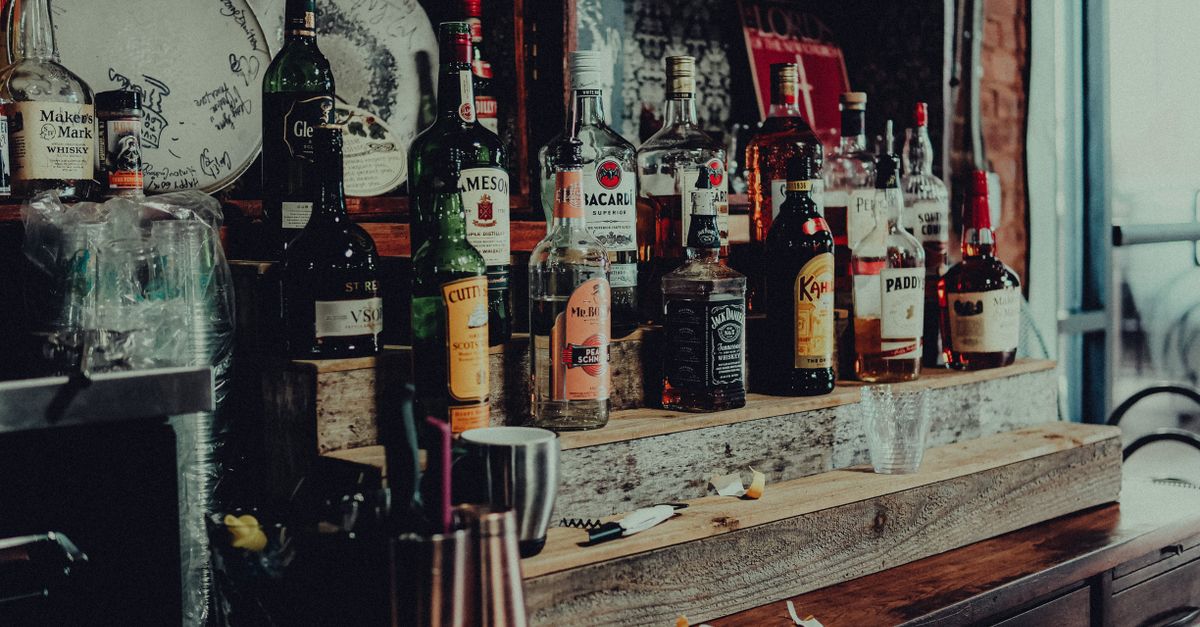
Aged Barbadian rums are the most forgiving starting point — bottles like Mount Gay Black Barrel bring vanilla, dried fruit, and oak without overwhelming the lime. They balance easily and rarely need correction. But "best" shifts depending on what you want the drink to do.
Jamaican pot still rums — Smith & Cross is the obvious example, Hamilton Black another — carry that signature funky, overripe-banana character that makes a daiquiri feel alive rather than merely correct. The trade-off: that funk is loud. If your lime is weak or your sweetener is timid, the rum takes over and the drink stops tasting like a daiquiri. Use Jamaican rums when you're confident in your citrus.
Demerara rums sit somewhere in between. El Dorado 8 carries deep molasses and almost burnt-caramel weight, and it pairs particularly well with Demerara syrup — the two share enough flavour compounds that the drink reads as coherent rather than layered.
⚠️ Heavily spiced rums are where this recipe falls apart. The clove-and-vanilla profile fights lime directly. No ratio adjustment fully fixes it — and flavoured rums create the same problem, pulling the drink away from anything recognisable as a daiquiri in a way that's baked into the base spirit long before you've reached for the shaker, which means the damage isn't something technique can undo. Both categories are better left out entirely. Stick to straight aged dark rum until you have a reliable sense of what the balance should feel like.
One technique bartenders reach for: split the base between 1.5 oz dark rum and 0.5 oz white. The white preserves brightness and keeps the citrus forward while the dark rum contributes colour and depth without dominating.
How does sweetener choice change the drink?
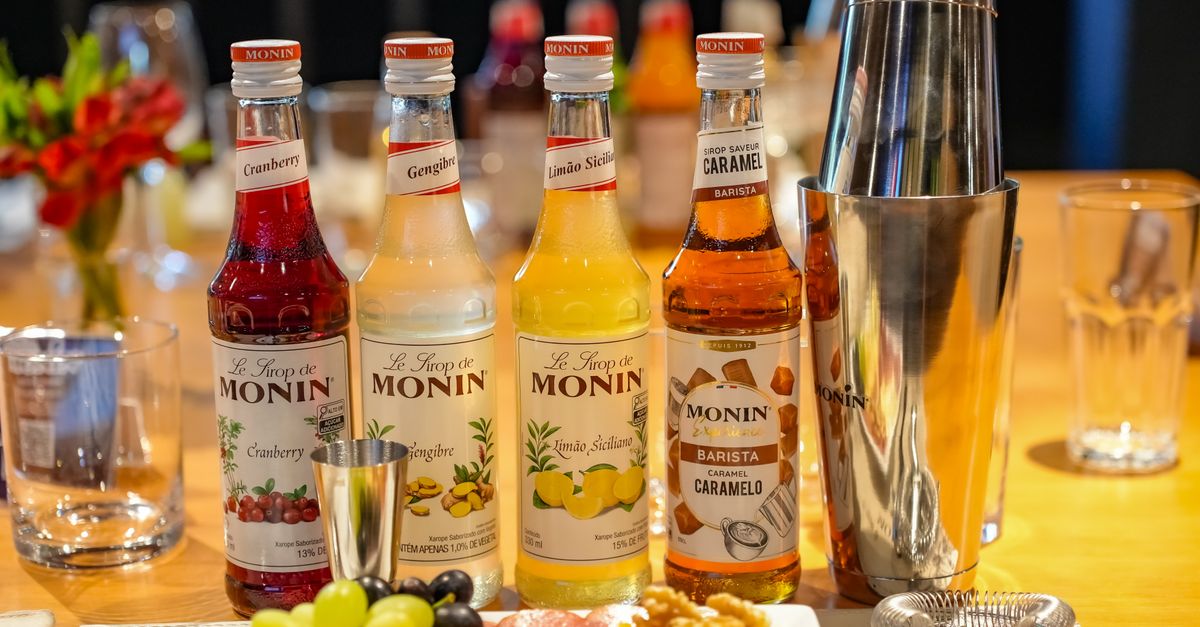
The sweetener is not decorative — it shapes the drink's texture, depth, and how loudly the rum speaks. Match it badly to your rum and the whole balance tilts.
Sweetener | Ratio | What it adds | Best with |
|---|---|---|---|
Simple syrup | 1:1 | Neutral sweetness, clean | Complex aged rums |
Rich Demerara syrup | 2:1 | Brown-sugar depth, molasses echo | Medium-aged or pot-still rums |
Honey syrup | 2:1 | Floral warmth, mild funk | Lighter dark rums |
Liqueur | Almond, clove, lime — builds a variation | Any, but no longer a straight daiquiri |
Standard 1:1 simple syrup is the neutral option. It sweetens without competing, which is exactly right when the rum is already doing something interesting — a 15-year Barbadian rum doesn't need brown sugar on top of brown sugar.
Rich Demerara syrup (two parts raw sugar dissolved into one part water) is a different calculation. It echoes the molasses character already present in most aged dark rums, which can deepen the drink beautifully or tip it into cloying territory if you're not watching your measure. Drop from ¾ oz to ½ oz when you switch to it.
Honey syrup is contextual. It works well with a Jamaican gold that carries funk without heavy wood — the floral quality sits beside that brightness rather than fighting it — but pressed against a heavily aged spirit, the mismatch becomes almost impossible to correct once you've scaled up for a batch. Context is everything here.
Velvet Falernum introduces almond, clove, and a hit of lime oil, and the moment it goes in, the daiquiri becomes something else entirely — which may be exactly what you want, or a problem, depending on why you opened the bottle. The practical rule: the more character in the rum, the more neutral the sweetener should be.
How to make a dark rum daiquiri: full method
Combine 2 oz dark rum, 1 oz fresh lime juice, and 3/4 oz simple syrup (or 1/2 oz rich Demerara syrup at 2:1) in a cocktail shaker with a full scoop of ice. That's the whole recipe — the craft is in the execution.
Shake hard, and count. Twelve to fifteen seconds minimum. Most home bartenders stop at eight, which leaves the drink under-diluted and slightly hot from the rum, because the water that enters from melting ice isn't a flaw to minimize — it's what knits the lime acid and the rum's molasses weight into something coherent.
Double-strain. Pour through the shaker's built-in strainer and a fine mesh sieve into a chilled coupe. Ice shards in a daiquiri wreck the texture.
Garnish simply. A thin lime wheel or an expressed lime twist. Express the twist over the glass to drop the citrus oils onto the surface, then either rest it on the rim or discard it — the drink doesn't need it for flavor, only aroma.
⚠️ The one substitution that reliably breaks the balance: bottled lime juice. The acid profile shifts enough that the ratios above will produce something flat and slightly chemical-tasting. Squeeze fresh — every single time. Bottled juice changes the acid structure in ways that no ratio adjustment fully corrects, and what you lose isn't sharpness but the clean brightness that makes a daiquiri worth making in the first place.
Get Your Venue Discovered
List your venue on WhatDrink so people searching for their next drink by style, location and occasion can find you.
List Your VenueDark rum daiquiri variations worth trying
Four adjustments keep the drink recognisably itself while pulling its character in meaningfully different directions.
Falernum build: Swap the simple syrup for 1 oz of Velvet Falernum and pull the lime back to ¾ oz. The clove-almond spice in falernum absorbs some of the citrus's bite, so less juice is all you need — the result reads as warmer, almost autumnal.
Jamaican funk split: Use 1.5 oz Jamaican pot still rum alongside 0.5 oz of lightly aged white rum, keeping everything else at standard ratios. The white rum opens the top of the glass while the pot still brings its ester-heavy, overripe-fruit quality underneath — a contrast you don't expect until you smell it. Brighter in smell, heavier in finish.
Frozen version: Blend the standard build with 1 cup of crushed ice and a small splash of water. Ice dilutes and flattens sweetness, so swap to rich syrup (2:1 sugar-to-water) to restore body — because a thin frozen daiquiri is just an expensive slushie. Serve immediately.
Lower-sugar adaptation: Reduce sweetener to ½ oz and add ¼ oz of fresh orange juice in its place. The juice brings a small amount of natural sugar. It also delivers enough body to soften the edge that straight lime, without anything to cushion it, would otherwise leave fully exposed — particularly noticeable in a build where the dark rum's molasses character is already doing considerable work carrying sweetness across the palate. For readers tracking calories across their full drinks order, this guide to low-calorie cocktails you can order at any bar puts the numbers in context.
Where to find dark rum daiquiris and explore more rum cocktails
Craft cocktail bars and tiki-adjacent venues are your best bet for a well-made version — places more likely to stock aged Jamaican or Bajan bottles, squeeze citrus to order rather than reaching for a sour mix, and treat the daiquiri as a serious drink rather than a beach-bar afterthought. Still requires searching. WhatDrink's venue directory can surface cocktail bars by location, and its drink discovery tool lets you filter by spirit, flavor profile, and occasion, which helps when you want rum variations that sit beyond the daiquiri — swizzles, fixes, ti' punch. The filtering works well for broad exploration; if you want something hyper-local or obscure, the coverage thins out depending on your city.
Once you've worked through the daiquiri's structure, the gimlet is worth understanding as a close structural cousin — same sour logic, different spirit, and the comparison sharpens your instinct for why the ratios matter in either drink.
FAQ
Can you use dark rum for a daiquiri?
Dark rum works well in a daiquiri and produces a noticeably different drink than the white rum version — richer, more molasses-forward, with a depth the classic recipe doesn't have. Most dark rums carry higher sugar content and barrel aging, which means the sweetener and citrus ratios need adjusting slightly; the basic structure of the cocktail holds either way.
What is the basic recipe for a dark rum daiquiri?
Combine 2 oz of aged dark rum, 1 oz of fresh lime juice, and 3/4 oz of simple syrup (or Demerara syrup for more depth) in a cocktail shaker with ice, shake hard for around 12 seconds, and strain into a chilled coupe. That ratio — 2:1:¾ — is the standard starting point. Sweeter rums may need the syrup dialed back to 1/2 oz.
What is the best dark rum for a daiquiri?
Jamaican aged rums and Barbadian rums are the most consistent choices: they carry enough funk or dried-fruit character to stay interesting against lime, without the raw edge of a younger agricole or the sweetness overload of some spiced rums. Appleton Estate Signature, Mount Gay Eclipse, or Plantation Original Dark are all reliable first attempts if you don't have a specific bottle in mind.
Does the sweetener matter in a dark rum daiquiri?
It matters more than most people expect. White sugar syrup reads as neutral and lets the rum speak, while Demerara syrup adds a caramel undertone that amplifies the barrel notes in aged rum — the two aren't interchangeable without shifting the character of the drink. Honey syrup and agave both work but pull the cocktail in different directions, so the sweetener is effectively a second ingredient decision alongside the rum choice itself.
How the Dark Rum Daiquiri Actually Comes Together
Two decisions determine how this drink turns out, and everything else is refinement. The first is rum style: a Jamaican or Barbadian aged rum gives you the fruit, the barrel weight, and enough personality to hold up against citrus without disappearing. The second is sweetener match. Demerara syrup mirrors the molasses and caramel in the rum itself, whereas white syrup keeps things clean and brighter — neither pairing is wrong, but they produce drinks that taste like different intentions.
Start here: 2 oz of aged Jamaican or Barbadian rum, 1 oz of fresh lime juice, and 3/4 oz of Demerara syrup, shaken hard over ice and strained cold. That's the formula. It carries enough sweetener to balance the lime without flattening the rum, and the Demerara adds dimension that white syrup simply doesn't — though if the bottle you've opened runs sweeter than expected, which varies more than the labels suggest and catches people out more than any other single variable in this drink, pulling the syrup back to 1/2 oz on the next round resolves most of the cases where the drink lands off-balance.