
The best cocktail ideas for summer lean on three things: acid to cut through heat, something cold and diluting to drink fast, and a base spirit that doesn't feel heavy — and the drinks that nail all three tend to be the ones people return to every July without quite remembering why. The Margarita (tequila, lime, triple sec) earns its place because salt and citrus together do something to your palate that pure sweetness can't: they reset it, priming the next sip in a way that keeps you reaching for the glass long after the ice starts to thin. The Aperol Spritz survives every trend cycle because it's low-ABV and bitter-bright. The Daiquiri — just rum, lime, and sugar — rewards good ice. The Paloma replaces the Margarita's triple sec with grapefruit soda and is easier to batch. The Mojito adds mint and soda to rum in a way that physically cools you down, not just metaphorically.
Organized by spirit: tequila gives you the Margarita and Paloma; rum owns the Daiquiri and Mojito; vodka runs from the Mule to the Spritz-adjacent Espresso Martini territory; gin extends well past the gin and tonic into sours and fizzes; wine-based options like the Spritz work for crowds who want something lighter.
What ties the best summer drinks together is drinkability at pace — they're built to be consumed before the ice melts and before the afternoon gets away from you.
What are the top 5 cocktails for summer, and why do they keep showing up?
The five drinks that dominate every summer menu — Margarita, Daiquiri, Mojito, Aperol Spritz, and Paloma — earn their place through structural reasons, not just fashion. Each one is built around acid, dilution, or bitterness, which are the qualities that actually register as refreshing when you're drinking in the heat.
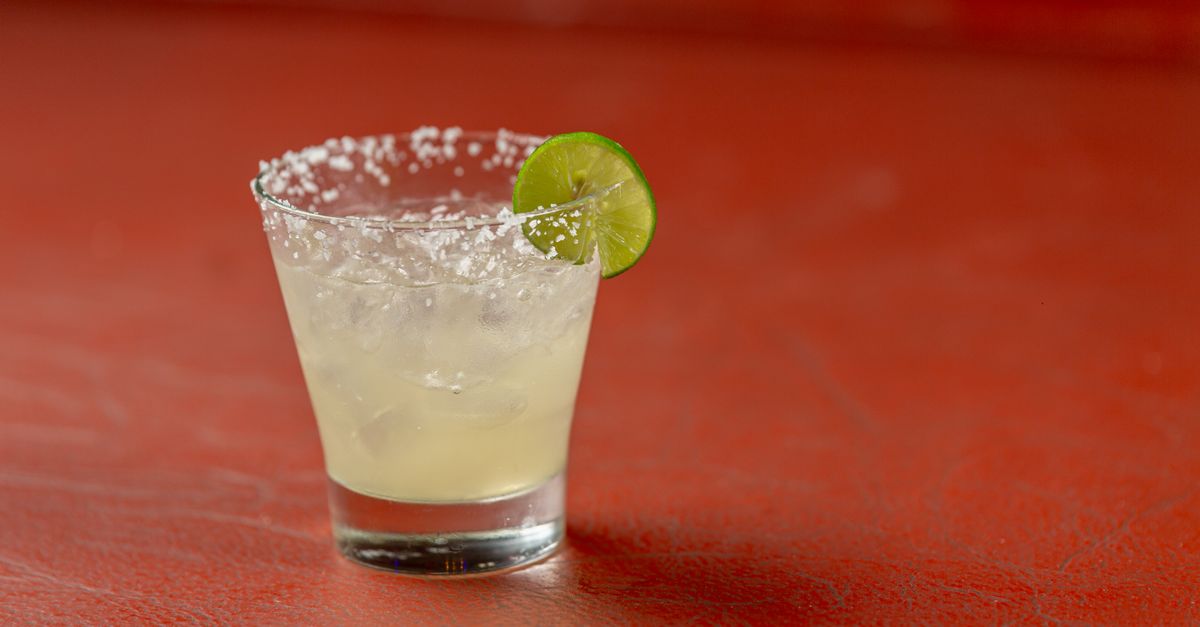
The Margarita works because tequila's agave character is assertive enough to survive ice and lime juice, cutting through heat-dulled palates in a way that spirit-forward pours simply don't. The Daiquiri follows almost the same logic: rum, lime, and sugar in a three-ingredient ratio. Freeze it and you trade speed for texture without adding complexity. For a solid dark rum starting point, this walkthrough of the classic Daiquiri recipe covers the proportions worth knowing.
The Mojito adds something the others don't — mint oils and soda create a perceived coolness that goes beyond whatever temperature the glass is at. Menthol is doing physiological work here, not decorative work.
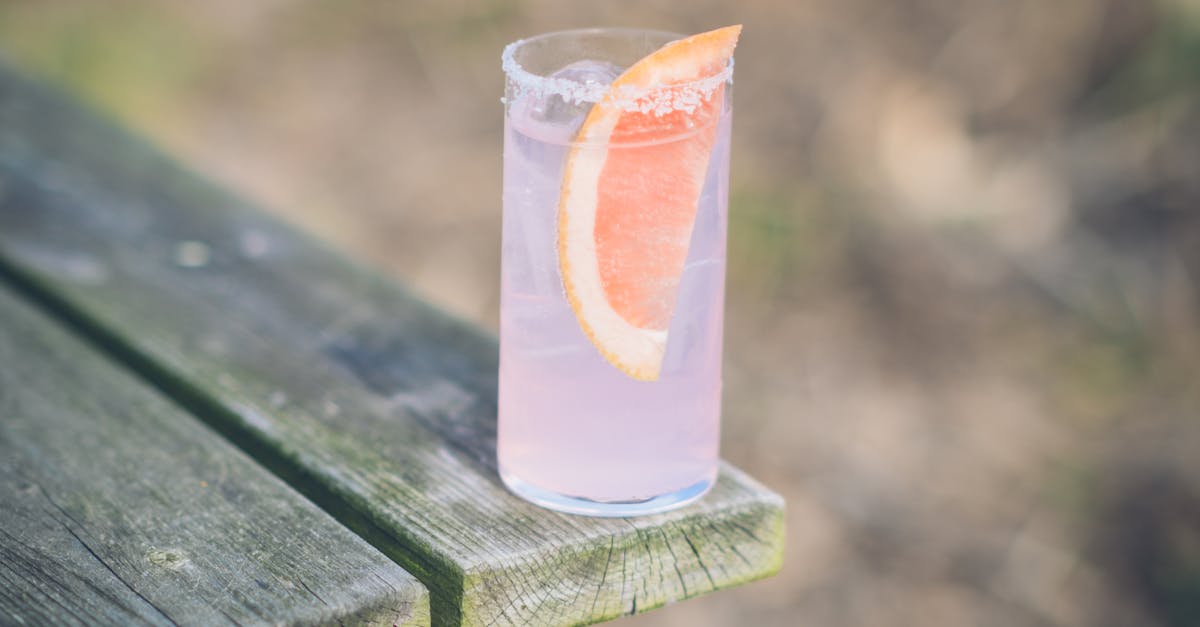
The Aperol Spritz sits around 11% ABV, which matters when you're drinking outdoors for two or three hours — lower alcohol means you can pace across an afternoon without the session collapsing on itself midway through. And the Paloma, built on grapefruit rather than lime, lands differently: that bitterness reads as refreshing in warm weather in a way that straight-sweet citrus stops doing after one glass.
Simple cocktail ideas for summer with 3 ingredients or fewer
Three ingredients is enough for a very good summer drink — the four below prove it. No shaker required, no obscure liqueurs, no technique beyond pouring in the right order.
Vodka soda with citrus is the baseline: spirit, sparkling water, a wedge of lime or grapefruit squeezed in. Crisp, low-sugar, done in thirty seconds.
Gin and tonic rewards attention to one variable: the ratio. A 1:3 gin-to-tonic split over a glass packed with ice is a fundamentally different drink from the watered-down version most people pour at home without measuring. Brand matters less than you'd think. The ratio does most of the work — get that right and almost any decent gin performs. If you want to push it further without adding complexity, a guide to gin cocktails worth making at home covers where to go next.
Paloma shortcut skips fresh grapefruit juice and triple sec entirely — canned grapefruit soda (Jarritos or Squirt) poured over tequila delivers the same bitter-sweet hit with one fewer ingredient.
Rum and coconut water is underused. Coconut water brings natural electrolytes and a faint sweetness without the sugar load of juice mixers.
One honest caveat: simplicity trades against depth. These are entry points, not the final word on what a summer cocktail can be.
Gin cocktail ideas for summer beyond the gin and tonic
Gin has far more range in warm weather than its reputation as a tonic-water vehicle suggests. Three cocktails in particular earn their place on a summer table: the Gimlet, the Tom Collins, and the Bramble.
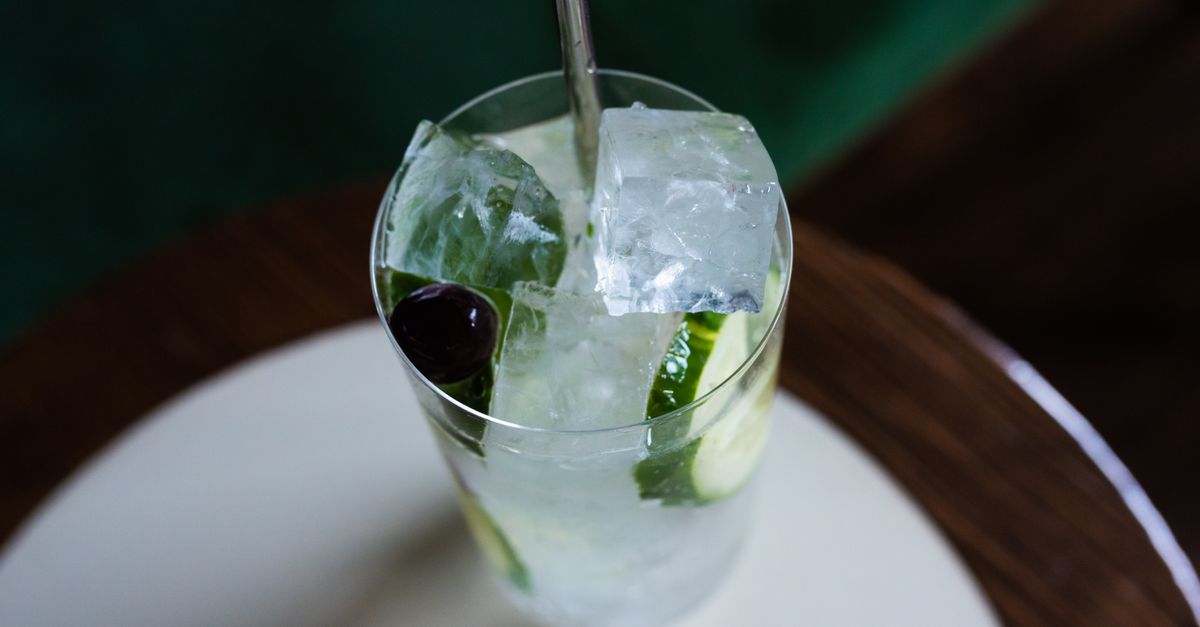
The Gimlet — gin, fresh lime juice, a touch of lime cordial, ice — is sour-forward and sits under 150 calories. If you want the full breakdown of ratios and variations, this guide to the Gimlet's history and how to make it covers both the classic and modern fresh-lime versions. The Tom Collins lengthens everything with soda water, dropping the ABV per glass in a way that makes it well-suited to a long afternoon rather than just a cocktail hour. It's refreshing without being cloying. The Bramble layers blackberry liqueur over a gin-lemon base, and the color bleed alone makes it worth serving at a party — nobody ignores a purple-crowned drink.
One thing worth factoring into your gin choice: floral expressions — elderflower, cucumber, or light citrus-forward styles — perform noticeably better in heat than a heavy juniper London Dry, which can read as almost medicinal once the ice melts.
Cocktail ideas for a summer party: what scales and what doesn't
Sangria, punches, and pre-batched spritzes are your best options for a crowd. They improve after an hour or two of rest. Citrus softens and fruit infuses into the base in ways that individual pours never quite achieve — a characteristic that makes early preparation an advantage rather than a compromise. Mojitos, by contrast, are a party trap: mint bruises the moment it sits in liquid, and any soda you add goes flat before half the glasses are poured. If your guests love them, set up a build-your-own station with muddled mint, lime juice, and rum, and let people top their own with fresh soda.
Rosé sangria is probably the most forgiving crowd-pleaser in this category — wine base, a splash of brandy, sliced citrus, and whatever stone fruit is peaking that week. If you want to explore variations before you commit to a batch, this roundup of rosé wine cocktail recipes covers the full range of approaches from sparkling to fruity to herb-forward.
One thing most batching guides skip: shaking individual drinks over ice provides dilution that a pre-mixed batch doesn't get. Scale your spirit-to-mixer ratio down by roughly 10–15%, then add a small measure of water to compensate — or the batch will drink hotter than intended, noticeably so after the second glass, when people stop expecting it. Blending matters too. Frozen margaritas scale fine if you pre-mix the base — tequila, lime, triple sec — and blend with ice to order rather than letting a slushy machine run all afternoon and water everything down.
Get Your Venue Discovered
List your venue on WhatDrink so people searching for their next drink by style, location and occasion can find you.
List Your VenueWhat alcoholic drinks are best for summer if you're watching calories?
The lightest options are simpler than most people expect. Vodka soda: zero sugar from the mixer, entirely dependent on how heavy the pour lands, and typically sitting somewhere between 65 and 100 calories. An Aperol Spritz — built on the standard 3-2-1 ratio of prosecco, Aperol, and soda — lands around 125 calories. A classic daiquiri (shaken, not frozen) runs 160 to 180; the frozen versions add sugar syrups that push the number considerably higher, sometimes past 300.
The variable that quietly wrecks a "light" cocktail is what surrounds the base spirit. Liqueurs and flavored syrups are the main culprits. Sugar is the lever — and it compounds fast. A margarita made with triple sec and an ounce of agave syrup is a calorically different drink than the same tequila over ice with lime — not slightly different, but by 100 calories or more in many bar pours. Swapping standard simple syrup for agave, or halving the quantity, reduces the sugar load without destroying the balance of most drinks, though it won't save anything if the recipe is still built around a sweet liqueur base.
If you want to compare drinks side by side before committing to one, WhatDrink's guide to ordering low-calorie cocktails at a bar breaks down specific builds with nutrition context, which is more useful than rough rules of thumb. One honest limitation: the calorie counts only hold if your bartender is measuring, and most aren't.
What are some unique cocktail ideas for summer that aren't the usual suspects?
The drinks that stand out in summer share one quality: they introduce a flavor dimension — acid, heat, or visual drama — that the Margarita/Mojito/Aperol Spritz rotation doesn't cover. That gap is easier to fill than most people assume.
The Tequila Sunrise looks like a novelty, but the effect is actually a technique: grenadine sinks through orange juice when you pour it slowly over the back of a spoon. Get that right — this walkthrough of how to make a Tequila Sunrise explains the pour-over method clearly — and the layered result earns a second look every time.
Agua fresca bases replace standard juice entirely. Blended watermelon or cucumber strained through a fine mesh gives you something lighter, less sweet, and noticeably fresher than anything from a carton.
Shrubs — fruit-vinegar syrups — add acid complexity without squeezing a single lime. They're shelf-stable, batch-friendly, and surprisingly good with bourbon or rum.
Jalapeño-infused spirits have been appearing on summer menus since around 2023. The logic is simple: heat contrast amplifies cold, the same way salted caramel works.
Tropical-flavored vodkas — mango, passionfruit — sit somewhere between novel and familiar, which makes them easy to serve to a mixed crowd without forcing anyone to commit to something strange.
FAQ
What are the top 5 cocktails for summer?
The five drinks that consistently dominate summer are the Aperol Spritz, the Margarita, the Mojito, the Paloma, and the Gin and Tonic — and they earn that dominance because each one balances acid, carbonation, or dilution in a way that makes alcohol feel lighter in heat, a structural quality that popularity alone doesn't explain. The Spritz and G&T lean on effervescence to stretch the ABV across a longer drink; the Margarita and Paloma use citrus and salt to cut through warmth. The Mojito does both. They keep reappearing every June regardless of what's trending because they're built for the conditions, not just the season.
What alcoholic drinks are best for summer if you want something light?
The lightest options by calorie and ABV are spritz-style drinks built on low-alcohol bases like Aperol or Lillet, hard seltzers used as a mixer rather than drunk straight, or spirit-forward classics stretched with a lot of soda. Light. A Vodka Soda or a Tequila Highball sits around 100–120 calories and goes down slowly when there's enough ice, which makes them more forgiving over a long afternoon than anything built on sweetened juice — and a wine spritzer made with dry white wine and sparkling water works the same way for those who prefer to stay out of the spirits section entirely. Sugar is the variable that breaks the logic: a drink marketed as "light" can accumulate calories quickly if the mixer is a commercial sour mix, so the better move is unsweetened citrus with simple syrup added to taste and controlled from there.
What are some unique ideas for a summer cocktail beyond the classics?
Beyond the standard rotation, drinks worth trying include the Tommy's Margarita (agave syrup instead of triple sec, letting the tequila read more clearly), a Cucumber Gimlet built on London Dry gin with muddled cucumber and lime, a Mezcal Mule swapping vodka for smoky mezcal in a Moscow Mule format, and shrub-based cocktails using drinking vinegar as the acid component instead of citrus. Less commonly seen but just as effective: a Fino Sherry Highball — dry sherry over ice, topped with tonic and a lemon twist — which sits lower in alcohol than almost any spirit-based option and is, by any honest measure, a pleasure to drink. These aren't novelties. They're structurally sound drinks that happen to sit outside the usual summer shortlist, and the sherry highball in particular rewards anyone willing to move past the assumption that a refreshing summer drink has to be built on a base spirit.
Which summer cocktails are easiest to make for a party?
The most scalable options are batched drinks that require no per-glass work once prepared: a large-format Sangria, a Tequila Punch built with citrus and agave, or a Gin Cup styled on a Pimm's Cup that guests can ladle into ice-filled glasses themselves. Anything calling for muddling or egg white falls apart at volume. A batched Margarita — tequila, lime juice, orange liqueur, and a small measure of water to account for dilution, made the night before and refrigerated — is probably the single most crowd-proof option: familiar enough that no one needs a description, fast to pour, and it holds its quality for several hours without degrading, even if the party runs longer than planned.
How to Choose Your Next Summer Cocktail
Summer cocktails work — the ones that actually taste right in the heat, not just the ones that photograph well — because they do something structural: they manage acid to brighten without cloying, dilution to lower the ABV across a long drink, and carbonation or ice to keep the temperature doing part of the work. Tropical fruit is decoration. What determines whether a drink feels refreshing at 85°F is whether the balance of those three elements is calibrated for conditions where your palate is already suppressed by warmth and you're losing water faster than you realize — and most recipes don't explain that, they just list ingredients and expect you to trust the proportions.
That organizing logic runs through every section of this piece, whether the context was a three-ingredient backyard drink or a batch cocktail for forty people. A Paloma works in summer because grapefruit's bitterness and the soda's dilution hold the tequila in check — this is why it travels well even when made carelessly. A Mojito works because mint, lime, and club soda are doing real structural jobs. Once you see the pattern, you can build drinks rather than just copy them.
So the concrete next step: look at what's already in your cabinet. If you have gin, start with a Gimlet — two parts gin, one part lime, three-quarters of a part simple syrup, shaken hard over ice. Taste it. If it's too sharp, add a small measure of syrup; if it's flat, a few more drops of lime will do more than any other adjustment. That process, done once, teaches you more about cocktail balance than reading another list of recipes. The same logic applies to whatever spirit you have: tequila starts you at a Tommy's Margarita, rum at a Daiquiri, vodka at a simple Vodka Rickey. Find the simplest recipe in that spirit's range, make it once, adjust it to your palate, and the rest of summer follows from there.