
Rosé wine cocktails work best when you start with a dry, fruit-forward rosé. Provençal styles — pale, restrained, barely sweet — hold up without turning cloying once mixed into something more complex. Sparkling rosé adds effervescence in place of a mixer, while bolder, slightly off-dry versions from Spain or California work well in frozen drinks where dilution mutes the extra sugar. For spirits: vodka is the most neutral partner, gin brings herbal contrast, and tequila (blanco specifically) cuts through rosé's berry notes in a way that feels deliberate rather than accidental. Mixers that consistently land: fresh lemon or grapefruit juice, elderflower liqueur, simple syrup, and sparkling water or prosecco to extend the pour.
The 10 recipes here are sorted by what you're actually working with — a spirit you have on hand, a format like frozen or sparkling, or a situation like a two-ingredient weeknight drink versus something built for a crowd. The occasion shapes the recipe. The spirit shapes the taste, and those two variables together explain why a rosé margarita sits under tequila, a Frosé riff appears under frozen drinks, a Rose 75 lands among the gin-forward options, and several low-lift combinations that need nothing more than a bottle, one mixer, and about three minutes of effort before the glass hits the table are grouped apart from the rest.
What to mix with rosé wine
Rosé pairs best with spirits and mixers that share its weight — light, acid-forward, and fruit-driven — rather than anything that bulldozes its delicate register. Vodka, gin, and elderflower liqueur all work well with a dry Provençal style because they leave the wine's strawberry and herb notes intact rather than overwriting them. Sweeter styles from California or Portugal handle tequila better; the wine's residual sugar softens tequila's vegetal edge, while fresh citrus keeps things lively.
Sparkling rosé earns its own category. It replaces club soda in any spritz-style build, adding effervescence and fruit character simultaneously — dilution without the blandness.
⚠️ One category to sidestep entirely: dark spirits. Aged whiskey, dark rum, and cognac carry tannin and oak that simply swamp what rosé brings. The wine disappears. You're left with an expensive, faintly pink version of a spirit-forward drink you could have made without the rosé in it at all, which rather defeats the purpose of opening a bottle.
Acid-forward mixers amplify rosé's tartness. Grapefruit soda, fresh lemon juice, and hibiscus syrup each do this differently — the soda adds a bitter finish, the lemon sharpens fruit notes directly, and hibiscus layers in a floral counterpoint — but all three protect the brightness that makes rosé worth using in the first place rather than flattening it into the background.
Which rosé wine style works best in cocktails
Dry Provençal rosé handles spirit-forward builds best; sparkling rosé works as a topper; white zinfandel belongs in frozen drinks and sangria. The style determines the role before the recipe even begins.
Style | Flavor profile | Best cocktail use |
|---|---|---|
Dry Provençal rosé | Crisp, high acidity, strawberry and herb notes | Margaritas, martini-style builds, wine spritzes |
White zinfandel | Sweet, low acidity, candied fruit | Frosé, sangria, punches where sugar balance is forgiving |
Sparkling rosé | Effervescent, ranges dry to off-dry | French 75-style builds, toppers over spirit-and-juice bases |
Dry Provençal rosé holds its personality against tequila or gin because the acidity cuts through rather than disappearing into the spirit. White zinfandel's sweetness pulls the other direction — useful in frozen applications where dilution from ice softens everything anyway.
One thing worth clarifying: a cocktail can mask a wine's thinness but it cannot fix something that smells like vinegar or wet cardboard. Spend eight to twelve dollars, not two, and the rest of the recipe benefits noticeably.
Frozen rosé cocktails: frosé and its variations
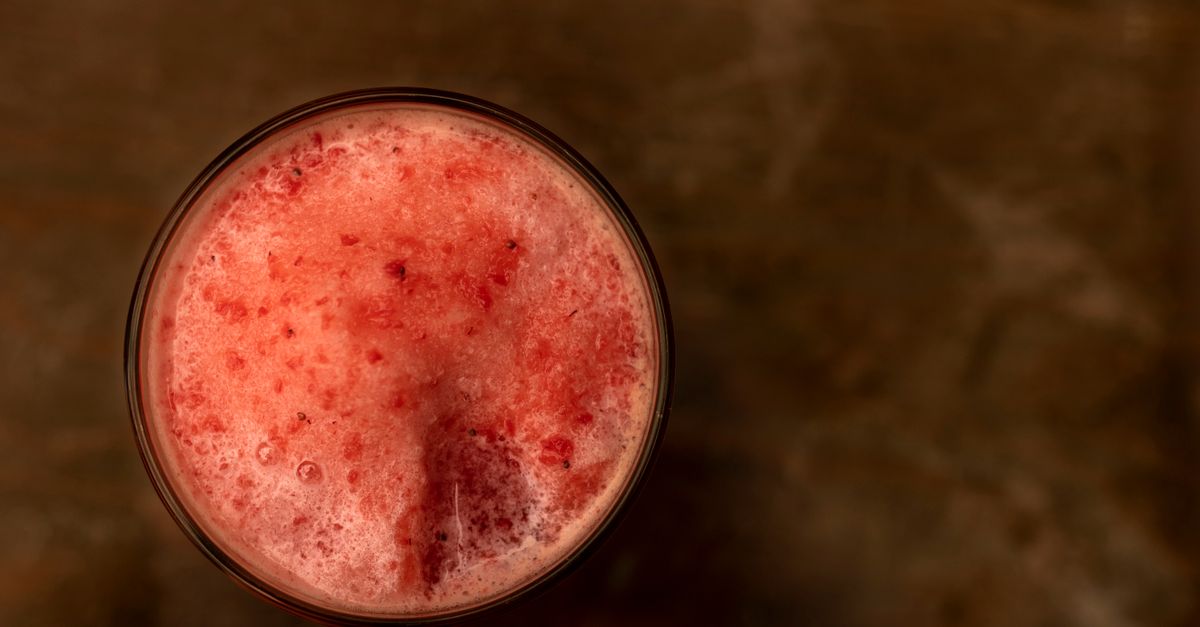
Frosé works by freezing the wine before blending — this concentrates the flavor and alcohol, so the final drink is silky and intense rather than a pink, watery ice slurry. Skip that step and you get the latter.
The standard method: pour a bottle of dry rosé into a sheet pan and freeze it until solid (four to six hours). Break it into chunks, blend with a small pour of simple syrup and a squeeze of lemon, and serve immediately. Roughly 750ml rosé to 30ml syrup — that ratio holds up best. It delivers enough sweetness to balance the acidity without tipping into dessert territory, and because the margin is generous, minor measurement drift won't ruin a batch the way it would in a more finely tuned drink.
From there, variations are easy to build. A triple berry chamomile frosé steeps two chamomile tea bags in hot water, lets them cool, then blends that concentrate with frozen mixed berries and the pre-frozen rosé. The chamomile cuts through the fruit's sweetness with something drier and more aromatic. For parties, scale the whole thing to a batch, freeze in a sheet pan, scrape into granita-like shards, and blend to order — it moves quickly and holds in the freezer between rounds.
Adding a shot of vodka per serving lowers the freezing point just enough that the mixture stays slushy instead of setting into a dense block — the same principle behind making slushie cocktails in a blending machine. Without it, frosé can seize up between blending and the glass.
Rosé cocktails with vodka
Vodka is the most forgiving spirit you can pour into rosé because it adds alcohol without adding opinion — it carries no barrel character, no botanicals, no agenda. The wine carries the flavor. A single sentence summarizes it: vodka turns up the volume on whatever the rosé is already doing, leaving the fruit and acidity exactly where they were.
For a rosé martini, combine 2 oz vodka, 1.5 oz dry rosé, and 0.5 oz elderflower liqueur in a shaker with ice, then shake hard and strain into a chilled coupe. Elderflower bridges them. It softens the gap between spirit and wine without competing with either, which is why this ratio works across a surprisingly wide range of rosé styles.
The blackberry-Cointreau coupe is a looser build: vodka, rosé, a float of Cointreau, and a spoonful of blackberry syrup, shaken with crushed ice and topped with a short pour of ginger ale. Messier, more seasonal. It's the kind of drink that belongs on a patio rather than a bar cart, and hotels serving rosé cocktails have leaned into exactly this register — Hilton's food and drink editorial rounds up several rosé-forward builds that follow the same fruit-forward logic.
One thing both recipes share: chill the rosé before you start. Warm wine dilutes against ice almost immediately, and you lose the acidity that makes the whole drink feel awake.
Rosé cocktails with gin
Gin pairs better with dry rosé than most people expect — particularly floral or citrus-forward bottles, which echo the wine's own botanical character rather than fighting it. Elderflower and cucumber gins share aromatic territory with a good Provence-style rosé, so the two reinforce each other rather than pulling in opposite directions. Natural allies.
Elderflower rosé spritzer: Combine 1 cup dry rosé with 2 shots of St. Germain, a squeeze of fresh lemon, and top with sparkling water. Light, faintly floral, and lower-alcohol than most gin builds — a useful Friday-afternoon option.
Rosé negroni riff: Replace the sweet vermouth with dry rosé, and pull back the Campari by about a third, because full-measure Campari against wine rather than vermouth turns bitter fast and the whole drink collapses into astringency before you've finished the glass. Restraint matters. If you want to explore more gin-forward directions, this guide to making gin cocktails at home covers ratios and technique worth understanding before you start experimenting.
⚠️ London Dry gins are the exception here. Their juniper-heavy profile tends to steamroll lighter rosé styles, leaving the wine's delicate fruit nowhere to go.
Get Your Venue Discovered
List your venue on WhatDrink so people searching for their next drink by style, location and occasion can find you.
List Your VenueRosé cocktails with tequila: the rosé margarita
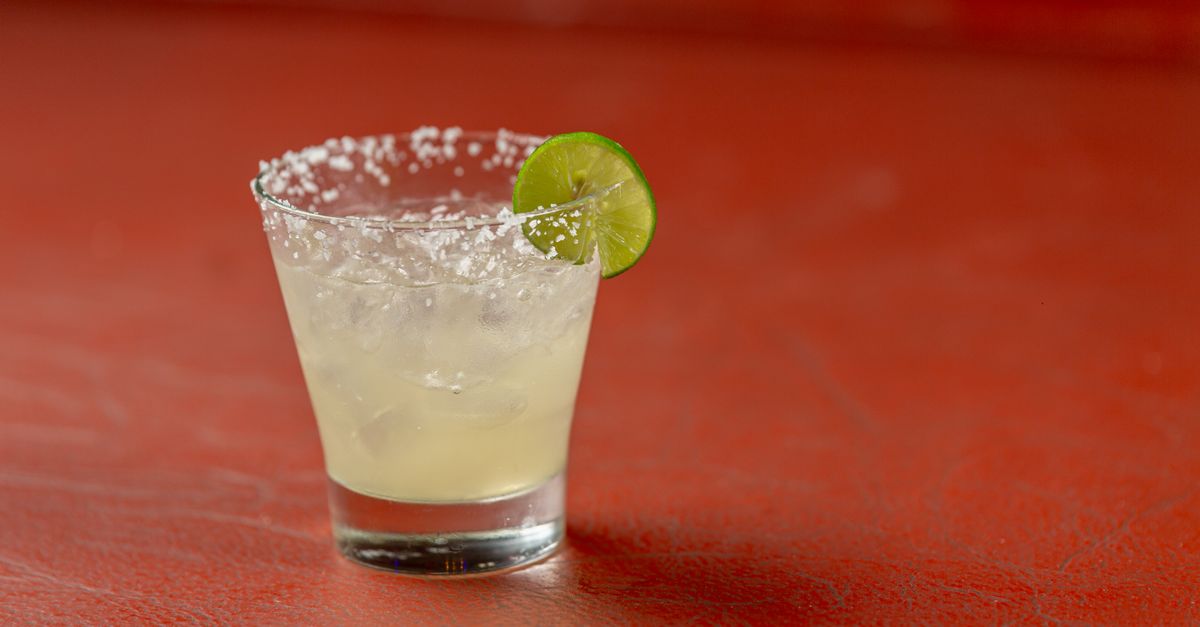
The rosé margarita works because dry rosé and lime juice occupy the same tart, fruit-forward register — they amplify each other rather than compete. Shake 2 oz blanco tequila, 1 oz fresh lime juice, 0.75 oz triple sec, and 2 oz dry rosé over ice, then strain into a rocks glass.
Blanco is the right call here. Reposado brings vanilla and toasted oak from barrel aging, and those warm notes push against the rosé's strawberry and citrus character in a way that muddles both. Blanco stays clean and lets the wine show.
For a less sweet direction, try the pomegranate rosé paloma. Swap the triple sec for an ounce of pomegranate juice, then top with sparkling rosé instead of grapefruit soda — you get depth and natural tartness without any added sugar, which is a meaningful difference if you're building for a crowd that finds standard margaritas a touch cloying. If you're unclear on how a paloma differs structurally from a margarita, that distinction matters when you're deciding which framework to riff on.
One detail that splits opinion: the salt rim. Skip it with a sweeter rosé. The combination turns cloying fast, coating the palate before the wine's delicate fruit has any room to register with the drinker. Dry Provençal is different; its mineral edge actually mirrors the salt rather than drowning under it.
Simple rosé cocktails with two or three ingredients
The fastest rosé cocktails still work — but they expose the wine more than a spirit-forward build ever will, which means the bottle matters more, not less.
A rosé spritzer is the most forgiving entry point: 3 oz dry rosé, 2 oz blood orange Italian soda, 2 oz club soda, stirred gently in a glass over ice. Shaking it kills the carbonation before you've taken a sip.
For a rosé mojito shortcut, skip the simple syrup entirely if your bottle leans off-dry. Muddle a small handful of mint in the glass, then pour the rosé directly over ice and finish with a squeeze of lime — the wine's residual sugar does the balancing work, quietly replacing what the syrup would have contributed. Easy. No fuss.
Rosé sangria scales better than either: one full bottle of rosé, a generous pour of triple sec, sliced citrus, and fresh berries. Refrigerate it overnight rather than serving immediately — the fruit needs time to steep properly, and the flavors collapse if you rush it.
That overnight wait is this format's honest limitation. Spend an extra $3–5 on the bottle. Two-ingredient builds reward a slightly better rosé, and that small price difference shows up clearly in the glass once the wine has nowhere to hide behind competing flavors — a higher-return adjustment than any technique tweak you might otherwise reach for first. If you're still sourcing options, this guide to finding rosé wine near you can help narrow down local bottles worth the small upgrade.
How to keep rosé cocktails low-calorie
A dry rosé clocks in at roughly 83–90 calories per 5 oz pour, and sparkling rosé sits in the same range — so the wine itself is rarely where a cocktail tips into diet-busting territory. The real calorie driver is almost always the mixer: an ounce of simple syrup adds around 50 calories, and a 4 oz pour of pineapple juice can add 60 more before anything else touches the glass.
The lowest-calorie builds stay under 150 calories by keeping additions minimal. A rosé spritzer — wine plus sparkling water and a citrus wedge — lands around 80–90. Lean. An elderflower spritzer made with just 0.5 oz of St. Germain (rather than a full two-shot pour) adds flavor without pushing past that threshold, though 0.5 oz does mute the floral note more than some drinkers want, and dry rosé over ice with a squeeze of lemon undercuts even that.
Swapping any flavored soda for plain sparkling water saves 40–80 calories without restructuring the drink at all. For readers tracking nutrition across a wider range of builds, this guide to ordering low-calorie cocktails at a bar covers substitution logic that applies equally at home.
FAQ
What is the best rosé wine to use for cocktails?
A dry Provençal-style rosé is the most reliable starting point — its restrained fruit and clean acidity play well with spirits without muddying the flavors. Sweetness is the enemy here. If the recipe calls for something fruitier, a Spanish garnacha rosado or a slightly off-dry California rosé can work, but avoid anything labeled sweet or semi-sweet unless the recipe is specifically built around that profile, because sugar in the wine competes with every other element you add. The drier the wine, the more it behaves like an ingredient rather than a flavoring.
Can you mix rosé wine with vodka?
Yes — rosé and vodka is one of the more forgiving pairings precisely because vodka's neutrality steps aside and lets the wine carry the flavor. A dry rosé, a measure of vodka, a splash of elderflower liqueur, and some fresh citrus is enough to build a coherent cocktail without any complicated technique or advance planning. Keep the ratio at roughly two parts rosé to one part vodka; tip it much further toward the spirit and the wine's character disappears entirely, which defeats the point of using it.
What is a frosé and how do you make it at home?
Frosé is a frozen rosé cocktail — blended chilled wine, ice, and usually a small amount of added spirit, often vodka or Aperol, included specifically to keep the mixture from freezing rock-solid rather than for flavor alone. Freeze first. At home, the most practical method is to freeze the rosé in ice-cube trays overnight, then blend those cubes with a splash of spirit and a little simple syrup until the mixture reaches a slushy consistency. A full bottle gives you enough volume to share, and the active effort — once the frozen cubes are ready — takes about ten minutes.
Are rosé wine cocktails high in calories?
They can be, but the wine itself is rarely the main contributor — a standard pour of dry rosé runs around 120–125 calories, comparable to most white wines, which is not where the damage happens. The count climbs when recipes add sugary liqueurs, sweetened purees, or multiple measures of spirit stacked on top of each other, so the simplest low-calorie route is a rosé spritzer or a build-over-ice recipe with a single spirit and fresh citrus instead of syrups. Swapping flavored liqueurs for fresh juice and keeping the wine-to-spirit ratio around three to one holds most recipes comfortably under 150 calories per serving.
Which rosé cocktail to make first, depending on what you have
Rosé's real advantage in cocktails is not that it makes one particular drink exceptionally well — it's that a bottle of dry rosé can anchor something completely different depending on what's already in the cabinet. Pair it with gin and you're working with botanicals and citrus; reach for tequila and you're in margarita territory. Add nothing but sparkling water and a wedge of lime and the resulting drink is bracingly light, assembled in under two minutes. The organizing principle, if there is one, is matching the wine's style to the spirit's character rather than hunting for a single signature recipe that suits all occasions.
If you have a bottle of dry rosé open right now and want the lowest-friction first drink, the spritzer — rosé and sparkling water over ice, finished with a citrus wheel — requires no measuring and makes use of half a glass of wine that might otherwise sit in the fridge. Nearly as simple is the rosé margarita: rosé, tequila, lime juice, a small pour of triple sec, and salt on the rim if you want it. Both work on a weeknight without planning.
The frosé is a different kind of commitment. It needs the wine frozen in advance, a blender, and ideally a second person to help finish it before it melts back into liquid. Save that one for a weekend afternoon when there's time to do it properly — it rewards the extra step, but it's not a spontaneous drink.
So the practical fork is this: dry rosé on hand, low effort wanted — start with the spritzer or the margarita. Time to plan ahead and a crowd to serve — freeze the wine tonight and make frosé on Saturday.