
Getting a margarita recipe for the Ninja Slushie machine to actually freeze — rather than sit there as a slightly chilled liquid — comes down to one thing: dilution. For a classic frozen margarita, combine 2 oz blanco tequila, 1 oz triple sec, 1.5 oz fresh lime juice, and 0.5 oz simple syrup, then add 3 oz cold water before pouring into the machine. That water dilution brings the alcohol percentage low enough for the machine to freeze it properly. Set the machine to its slushie or frozen drink function and expect roughly 20–25 minutes before you have a scoopable, pourable result. Salt the rim while you wait.
The ratio and the water addition are the parts most recipes skip — and the omission matters more than people expect. Alcohol resists freezing. Unlike a blender working with pre-frozen ice, the Ninja Slushie machine needs the liquid itself to freeze from the inside out, which means any excess ABV keeps the whole batch in a perpetual slush-limbo, churning without ever setting, running the cycle longer and longer while the texture never arrives. The three recipes below (classic, skinny, and strawberry) are all calibrated to freeze correctly, along with a fix for the most common reasons a batch stalls.
What is the water-to-alcohol ratio for a Ninja Slushie margarita?
The Ninja Slushie machine needs your finished mixture to land between roughly 10–15% ABV to freeze properly. A standard margarita poured straight from the bottle will never slush up — alcohol suppresses the freezing point of liquid, and the machine's cooling plates simply can't get cold enough to overcome a high-proof mixture.
The mechanism here matters. Water freezes at 32°F; ethanol at around -173°F. A drink that's 20–25% alcohol sits at a freezing point far below what the Ninja can reach, so it stays slushy at best and liquid at worst. Diluting with water raises the freezing point of the blend back into a range the machine can actually work with. This isn't a design flaw — it's physics, and the fix is straightforward.
The working rule of thumb: add roughly equal parts water to your combined spirits. That sounds like a lot, and most people's instinct is to use less. Push back on that instinct. A 6 oz pour of tequila (40% ABV) combined with 4.5 oz of triple sec (roughly 30% ABV) gives you about 10.5 oz of spirit blend at somewhere around 36% ABV. To pull that down into slushie territory, you need approximately 16 oz of water — plus your lime juice and any sweetener — before the machine will produce a proper freeze. Lime juice counts as part of your water volume, so freshly squeezed juice helps rather than hurts.
Premixed margarita mixes behave differently because they're already diluted and loaded with sugar, which also raises the freezing point. Sugar matters here. A mix-based build typically needs only 4–6 oz of added water per batch rather than the 16 oz a from-scratch recipe demands, because the sugar and pre-existing dilution have already shifted the blend's freezing characteristics enough that the machine can do its job without the extra liquid volume. Skipping the extra water with a mix can still work, depending on the brand — but adding a splash improves texture and prevents the motor from straining.
Build type | Spirits volume | Added water needed | Approx. finished ABV |
|---|---|---|---|
From-scratch (tequila + triple sec) | 10.5 oz | ~16 oz | 10–13% |
Premixed margarita mix + tequila | 3–4 oz tequila | 4–6 oz | 10–14% |
Skinny (tequila + citrus only) | 6 oz | ~14 oz | 10–12% |
The recipe sections below use these proportions throughout, so the ratios don't need adjusting from batch to batch.
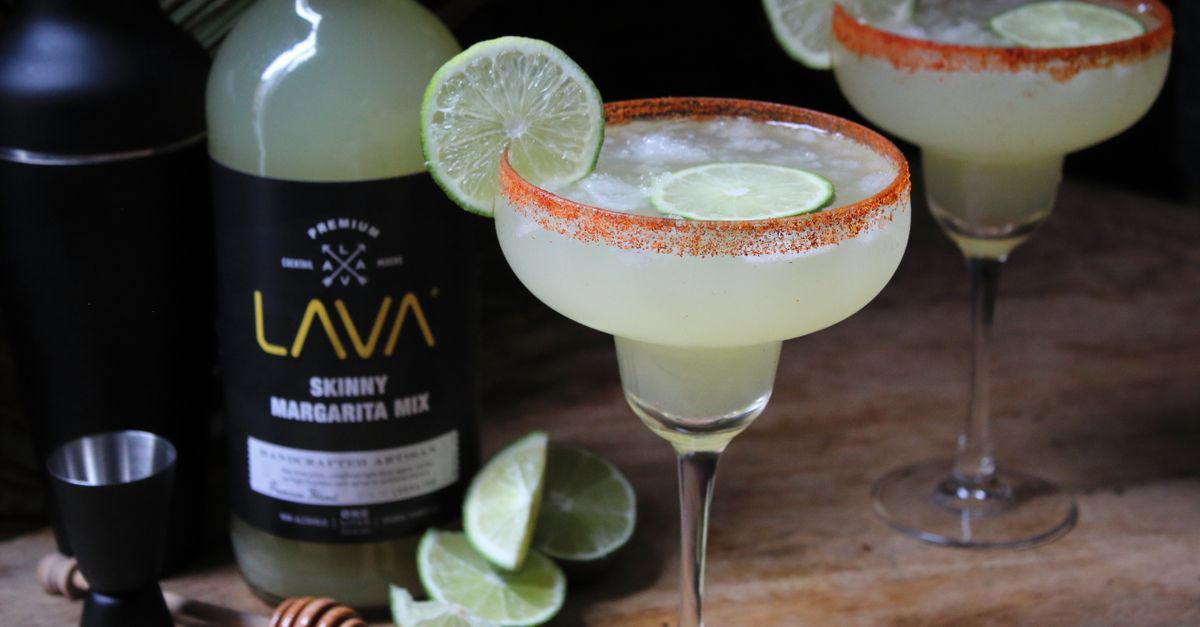
Classic from-scratch margarita recipe for the Ninja Slushie machine
The classic Ninja Slushie margarita uses blanco tequila, triple sec, fresh lime juice, simple syrup, and water — mixed together before the machine touches it, not assembled inside. Get these proportions right and the machine does the rest.
Single-serve build (one cup):
Combine 2 oz blanco tequila, 1 oz triple sec, 1 oz fresh lime juice, 0.75 oz simple syrup, and 4–5 oz cold water in a measuring cup or small pitcher.
Stir briefly to integrate — you want everything dissolved before it goes in.
Pour the mixture into the Ninja Slushie cup and seal it.
Run a full freeze cycle. Serve only when the cycle completes.
That water component is the one people skip. Alcohol alone won't slush — the machine needs enough dilution to have something to crystallize, and without adequate water in the mix, the freeze cycle simply can't do what it's designed to do. Half the "it didn't freeze" complaints trace back to this one omission.
Scaling up for a full bowl
For a larger batch, multiply each ingredient proportionally. A good full-bowl yield runs roughly 12 oz tequila, 6 oz triple sec, 6 oz lime juice, 4.5 oz simple syrup, and 24–30 oz water — still keeping the total liquid around 60–65% water by volume. At this scale, the ratio matters even more because there's nowhere to hide if the alcohol concentration climbs too high.
One small judgment call worth making at the batch stage: blanco tequila is the better choice here. Reposado works. It brings a faint oakiness that some people love, but it also adds color that turns the slush a slightly murky amber and can assert itself against the lime in a way that reads as smoky rather than bright. If that's your thing, fine — but for a clean, citrus-forward slush, blanco wins. Whatever you use, reach for 100% agave. Staysnatched.com's Ninja Slushie margarita guide puts it plainly: 100% agave tequila delivers the best taste with no harsh additives. The difference between a blended-spirit bottle and a 100% agave one is most obvious in frozen drinks, where the ethanol character can't hide behind carbonation or warmth.
Freeze time and why patience matters
Allow at least 30 minutes. Pulling the lever early — even at 20 minutes when it sounds like it's working — produces a watery pour with ice crystals floating in it rather than a proper slush, because the machine hasn't yet driven the temperature down through the whole volume. Plan your prep around this, not the other way around.
If you want a reference point for building the base flavors before you scale anything, this walkthrough of how to balance a margarita mixer from scratch covers the lime-to-sweetener relationship in useful detail.
⚠️ Rim and garnish timing
Salt the rim and add the lime wedge after dispensing, not before. Pouring slush over a pre-salted rim soaks the crust through almost instantly, leaving a wet, gritty stripe by the time anyone takes a sip — which defeats the purpose of rimming the glass in the first place. Dispense first, then rim and garnish on the finished glass.
Can you use margarita mix in a Ninja Slushie machine instead of making it from scratch?
Yes, premade margarita mix works in the Ninja Slushie machine — but it needs adjustment or the result comes out soft and syrupy rather than a proper frozen slush. The machine's freeze cycle is calibrated around a specific balance of sugar, water, and alcohol, and most bottled mixes tip that balance toward sugar.
The problem with options like Jose Cuervo or Clayton's margarita mix is their sugar concentration. High sugar content lowers the freezing point of the liquid, which sounds like it should help but actually works against you: the mixture stays looser and can never fully firm up, no matter how long the cycle runs. Dilution is the fix. Add roughly 20–30% more water than the mix directions call for — if the label says four ounces per serving, pour five and a half to six, which dilutes the sugar enough to let the machine do its job without fundamentally changing the flavor profile. That adjustment is easy to repeat once you've found the right proportion for a given brand.
⚠️ Even with extra water added, very sweet mixes can still produce a slushy that's more milkshake-soft than properly icy. If your first batch comes out that way, add another splash of water before running the cycle again rather than extending the freeze time — more time won't fix a chemistry problem.
Lite or reduced-sugar mixes behave considerably better. Sugar concentration drives poor results — not effort. Sharkninja's own published recipes lean toward lower-sugar sweeteners like liquid allulose precisely because they freeze at a more cooperative temperature, so if you're reaching for a bottled mix regularly, a lighter-sweetened version that costs a dollar or two more per bottle is worth it for the consistency you get in return.
The real trade-off between mix and scratch isn't effort — it's control. Scratch builds let you dial in exactly how sweet and how strong the final drink is, which makes troubleshooting simple: change one variable, run the cycle, taste. Mix is faster, but its sugar content is fixed, leaving you adjusting water blind until you've landed on the right ratio for that particular brand. Worth doing once to calibrate; after that it's repeatable.
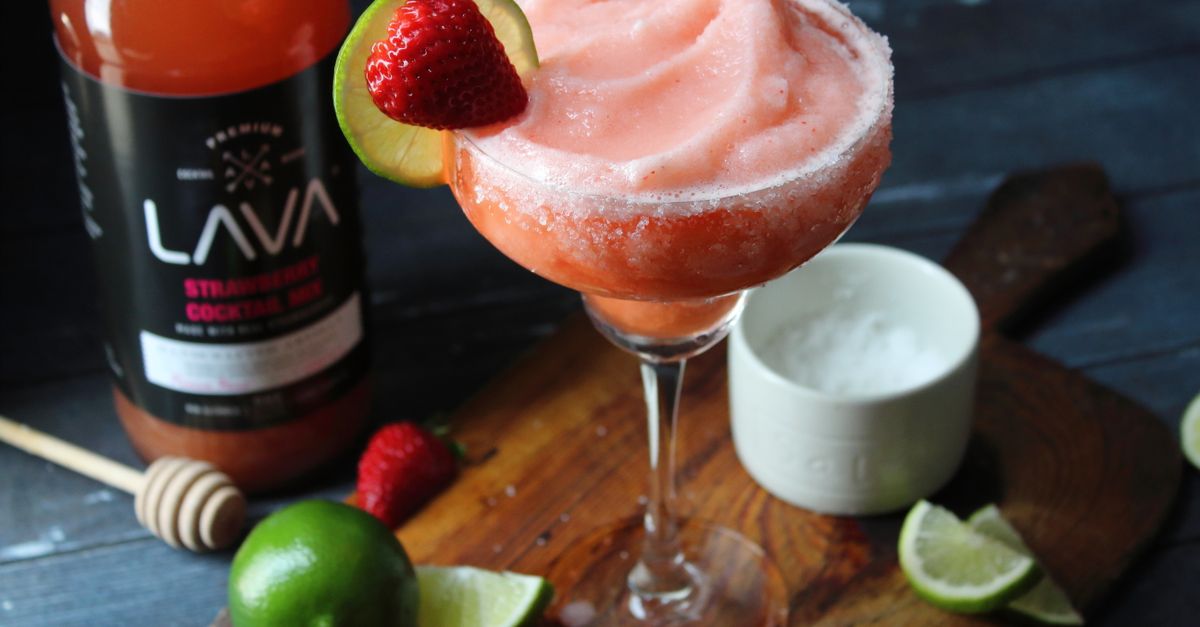
Skinny frozen margarita recipe for the Ninja Slushie machine
A lighter margarita still freezes beautifully in the Ninja Slushie — the key is swapping high-sugar components for lower-calorie alternatives without stripping out the dissolved solids that keep the slush moving rather than setting solid.
The main change is replacing simple syrup with agave nectar, used at roughly half the volume you'd use for simple syrup. Agave's fructose content means it sweetens more efficiently, so 0.5 oz does the work of a full ounce of syrup. If you want to go further and use a zero-calorie sweetener syrup — the kind made with erythritol or monk fruit — expect the machine to freeze the batch noticeably faster and harder, because sugar-free syrups don't depress the freezing point the way sucrose does, pushing the result closer to granita than a drinkable frozen cocktail. Stir before serving. A 20-second stir with a long spoon usually rescues it, and that's not a dealbreaker, just something to anticipate.
Fresh lime juice matters here for two reasons: it adds no sugar, and it tastes considerably brighter than bottled concentrate, which tends to carry a faint bitterness once frozen. Squeeze it yourself if you can.
The recipe (serves one):
Pour into the Ninja Slushie vessel: 2 oz blanco tequila, 0.75 oz Cointreau or triple sec, 1.25 oz fresh lime juice, 0.5 oz agave nectar, 5 oz water
Run the slushie cycle.
If using a sugar-free sweetener instead of agave, check the consistency at the end of the cycle and stir before pouring.
This version lands at roughly 160–175 calories per serve. That range shifts depending on your brand of triple sec — Cointreau runs slightly higher than a generic triple sec because of its sugar content, and swapping it for a lighter orange liqueur saves another 15 calories or so, though the flavor takes a small hit.
One honest limitation: the reduced sugar makes this version more sensitive to how much tequila you add. Go over 2 oz and the freeze point shifts enough that the result is slushy only in the loosest sense — more like a very cold cocktail with ice crystals in it. Fine if that's what you're after, but not the point of owning the machine. Stick to the quantities above, at least the first time.
For anyone tracking macros beyond a single drink, WhatDrink's guide to ordering low-calorie cocktails at a bar covers the broader landscape of what actually keeps calories down in mixed drinks, which is useful context if you're adapting other recipes for the machine.

Get Your Venue Discovered
List your venue on WhatDrink so people searching for their next drink by style, location and occasion can find you.
List Your VenueStrawberry margarita recipe for the Ninja Slushie machine
Strawberry margaritas freeze well in the Ninja Slushie machine, but fruit solids change the equation — you need more water than the classic version to compensate, or the mixture will stall out before reaching slush consistency.
There are two ways to get strawberry flavor in here. The simpler one is strawberry margarita mix, which you can swap in exactly as described in the previous section — no adjustments needed, since the mix is already formulated to freeze. The more rewarding route is strawberry puree, either blended from fresh berries or thawed from frozen. Frozen strawberries are the better choice: they're already broken down at a cellular level, which means they blend smoother and distribute through the liquid more evenly than fresh fruit does — no fibrous bits clumping near the dispenser. Fresh berries sometimes leave exactly that problem.
The puree route does need a water adjustment. Fruit solids effectively dilute your freeze-friendly liquid ratio, so you offset them by adding more water. This recipe is calibrated for that:
2 oz blanco tequila
0.75 oz triple sec
1 oz fresh lime juice
2 oz strawberry puree
0.5 oz simple syrup
4 oz water
Combine the tequila, triple sec, lime juice, simple syrup, and water first, then pour the puree in last and stir thoroughly before starting the machine. Puree poured directly into the bowl without stirring can settle at the bottom and create uneven freezing — the top layers slush while the bottom stays liquid.
One honest caveat about texture: fruit-based slushies run a degree or two softer than the plain citrus version. Partly because of natural berry sugars, partly because of the solids themselves — and if you pull the bowl after the standard cycle and it feels looser than you'd like, give it another 10 to 15 minutes. The machine keeps working past the displayed cycle end, so restart it. That extra time makes a noticeable difference.
The result is a vivid, distinctly strawberry-forward slush — actual berry flavor rather than something approximating strawberry candy. Worth the extra prep step.
Why is your Ninja Slushie margarita not freezing — and how to fix it
Too much alcohol is the most common reason. If the ABV of your finished mixture climbs above roughly 15%, the Ninja's freezing cycle simply cannot overcome the freezing-point depression that ethanol creates — the liquid stays slushy at best, fully liquid at worst. Fix it by adding 2–3 oz more water, or swap a portion of the tequila for a lower-proof liqueur like triple sec at 15% ABV rather than using a full-proof 40% version.
Sugar is the second culprit that barely anyone names. A heavily sweetened store-bought mix, or too generous a pour of simple syrup, raises the solute concentration enough to keep the mixture from setting — and cutting the syrup by half while adding a small splash of water is usually enough to bring it back into range. The machine isn't broken; the liquid chemistry is just outside what it can work with.
⚠️ Opening the lid mid-cycle will cost you the freeze almost every time. The Ninja Slushie machine needs one uninterrupted run to build up the internal cold and lock the mixture into slush — dispensing early or checking on progress resets the thermal environment inside the bowl, undoing whatever progress the cooling element had made. Commit to the full cycle before you touch anything.
Room-temperature ingredients slow everything down considerably. Loading warm lime juice and spirits sitting at 70°F asks the machine to do far more work than it's designed for — essentially, you're paying a thermal tax before the freeze even begins. Thirty minutes in the fridge. That's often all it takes to meaningfully shorten cycle time and produce a smoother texture. If you're using a lower-calorie tequila to keep the drink lighter (there's a useful breakdown of which tequilas carry the lowest calorie counts if you want to compare options), those typically come in at standard 40% ABV, so the pre-chill still matters regardless of brand.
Finally, a warm kitchen adds more time than most people expect. Ambient temperature above roughly 75°F can extend the cycle by 10–15 minutes, and if the bowl isn't seated firmly in the base, the machine may not make proper contact with the cooling element. Check the bowl placement first if nothing else seems wrong — it's an easy fix that often gets overlooked.
FAQ
Can you use margarita mix in a Ninja Slushie machine?
Yes — premade margarita mix works in the Ninja Slushie machine, but it needs dilution before it freezes properly. Most bottled mixes are sugar-dense and alcohol-light. That combination means the machine will often produce a slushy texture rather than a firm freeze unless you add enough water or ice dilution to bring the sugar concentration down to a level the freezing mechanism can handle. A ratio of roughly 1 part mix to 1 part water, combined with your tequila poured in at the correct proportion, gives the machine enough of a water base to do its job.
What is the mix-to-water ratio for a Ninja Slushie margarita?
The general target is to keep your total alcohol volume between 8% and 13% of the pitcher's liquid, with water making up at least 40–50% of the remainder. If you're building from mix, that typically means 1 cup of mix, 1 cup of water, and around 3–4 ounces of tequila for a standard-sized batch — though exact volumes vary by machine model, so consult your unit's fill line. Going heavier on the mix without adding water is the most common reason a Ninja Slushie margarita stays liquid. More water fixes it. Not a longer cycle, not a second pass — water.
How long does the Ninja Slushie machine take to freeze a margarita?
Freeze time varies. Most Ninja Slushie machines take between 20 and 35 minutes to fully process a margarita batch, with the exact window shifting based on starting liquid temperature and the combined sugar and alcohol load of your recipe. Pre-chill your ingredients. Starting with cold liquids rather than room-temperature tequila pulled straight from the shelf can shave 5 to 10 minutes off that window and produce a more even freeze across the pitcher, which matters more than most people expect when the alcohol content sits near the upper end of the workable range. If your machine finishes its cycle and the result still pours like a cold drink rather than scooping like a slush, running a second full cycle is usually more effective than fiddling with the recipe on the spot.
Can you make a frozen daiquiri in the Ninja Slushie machine using the same method?
Yes, and the same core logic applies: keep your rum volume in the 8–13% range of total liquid, dilute with enough water, and use real fruit or fruit juice rather than a thick syrup-heavy mix that resists freezing. A basic frozen daiquiri — white rum, fresh lime juice, simple syrup, and water — translates directly to the Ninja Slushie pitcher using the same ratios outlined for the margarita recipes here. Sweetness is the main adjustment. Rum-based drinks often need slightly less simple syrup than their tequila counterparts, because even a modest excess of sugar can push the concentration past the point where the machine achieves a firm set rather than a pourable slush.
Which Ninja Slushie Margarita Recipe to Choose, and What to Do Before the First Pour
Three variables determine whether a margarita actually freezes in the Ninja Slushie machine: alcohol percentage, sugar concentration, and how long you run the cycle. Get any one of them wrong — too much tequila, a mix that's mostly corn syrup, or pulling the pitcher before the machine finishes — and you get a cold margarita, not a frozen one. The citrus ratio, the salt on the rim, the garnish: all secondary.
If you're starting from scratch with fresh lime juice and good tequila, the classic from-scratch recipe gives you the most control over all three variables. That matters when troubleshooting, because you can isolate which lever to adjust if the freeze doesn't set. Premade mix is a reasonable shortcut when time is short, but only if you dilute it correctly — the bottle ratios printed on most mixes assume a blender with ice, not a Ninja Slushie cycle, so treat those instructions as a starting point rather than a formula. The skinny version, built on fresh citrus and reduced simple syrup, actually freezes more reliably than the full-sugar mix versions, because lower overall sugar content gives the machine less resistance to work against — a counterintuitive result if you assumed the higher-water content of full-sugar mixes would help.
The practical decision tree: classic recipe if you have 10 minutes to measure and squeeze, premade mix if you're hosting and need speed, skinny version if you're watching sugar content.
Before you run any of these, pre-chill your liquid for 30 to 60 minutes in the refrigerator, then let the machine complete a full cycle without interruption before you pull the first pour. That combination alone — cold-start liquid and an uninterrupted freeze cycle — resolves the majority of the "won't freeze" problems people run into, without requiring any changes to the recipe itself.