
A green olive martini is a dirty martini — same drink, different name. It's built from gin or vodka, a measure of dry vermouth, and a splash of green olive brine, stirred with ice and strained into a chilled glass. Standard ratio: 2½ oz spirit, ½ oz dry vermouth, ½ oz olive brine. Garnish with one or two green olives on a pick. That's the whole thing, and if you start with cold ingredients and a well-chilled glass, you're looking at three minutes from bottle to first sip.
🧠 By the numbers
Dirty martinis are among the ten most-ordered cocktails in U.S. bars, according to Drinks International's annual survey.
Olive brine sales rose roughly 30% between 2019 and 2023, driven partly by home cocktail culture during the pandemic.
A standard green olive martini lands between 175 and 220 calories, depending on the spirit and pour size.
More than 60% of martini drinkers specify vodka when ordering, though gin remains the bartender's preference.
Most of the confusion around this drink isn't the recipe — it's the variables underneath it: how much brine tips it from interesting to medicinal, whether gin or vodka actually makes a noticeable difference, and why the olive garnish isn't just decoration.
What makes a martini 'dirty' and why green olives are involved
A "dirty" martini is simply a martini with olive brine stirred in — the brine clouds the drink, and that cloudiness is the whole meaning of the word. "Green olive martini" and "dirty martini" describe the same glass. The label isn't a flavor category so much as a visual one: the moment brine hits cold gin or vodka, the liquid shifts from crystal-clear to a faintly murky, pale grey-green that no amount of chilling will reverse.
The term appears in cocktail writing as early as 1901, making it one of the longer-running modifications to a drink that was already considered a classic. The original impulse was probably as simple as tipping a few drops from the olive jar into the shaker — bartenders improvising, not innovating.
🧠 By the numbers
The dirty martini has appeared on bar menus in essentially its current form for over 120 years
Green olives account for roughly 80% of martini garnish orders in US cocktail bars, according to trade surveys by the Tales of the Cocktail Foundation
Green olives became the convention for a reason that has nothing to do with tradition and everything to do with chemistry. Their brine is saltier and lower in acidity than the liquid from black or kalamata olives, which means it amplifies the savory quality of dry vermouth without wrestling it into sourness. Black olive brine throws the balance off — the drink turns muddy in flavor, not just appearance.
Menus that specify "dirty martini with green olives" are doing genuinely useful work. Blue cheese-stuffed olives bring dairy fat into the equation, which changes the mouthfeel entirely, and some bars now experiment with Castelvetrano or pimento-stuffed varieties, each carrying a different brine. The green olive specification isn't decoration — it's instruction.
Green olive martini recipe: ratios and method
The standard green olive martini builds from three components in a single shaker or mixing glass: 2½ oz of your base spirit, ½ oz dry vermouth, and ½ oz green olive brine. That's it. Everything else is adjustment and technique.
🧠 Start with these proportions exactly as written, then dial the brine up or down on the second round once you know where your palate sits. A half-ounce of brine gives you recognizable salinity without burying the spirit; some people end up at ¾ oz, some at ¼, but the baseline is a useful anchor.
The method step by step:
Fill your martini glass with ice water and set it aside — it needs at minimum 60–90 seconds to chill the glass properly before your drink lands in it.
Combine the spirit, vermouth, and olive brine in a mixing glass or shaker tin with a generous scoop of ice.
Stir for 30–40 seconds (roughly 50 revolutions if you're counting), or shake for 12–15 seconds if you prefer that route.
Dump the ice water from your martini glass. Strain the cocktail immediately.
Garnish with 2–3 green olives on a cocktail pick, slid in along the inside of the glass.
Stirred vs. shaken — the debate here is more practical than philosophical. Stirring keeps the drink clear and gives it a silkier, slightly heavier texture because it introduces less air and less dilution. Shaking chills the cocktail a few degrees colder, which some drinkers prefer, but it also aerates the liquid and makes it slightly cloudy and more diluted by melt. Neither outcome is wrong. Bartenders tend to reach for a stirring spoon; home drinkers tend to grab a shaker. The glass temperature matters far more than this choice. A warm martini glass will drop the drink from properly cold to barely chilled in under 90 seconds — that's where most home versions fall apart, not in the stir-versus-shake argument.
A word on the "filthy" martini: some recipes skip the vermouth entirely and double the brine, leaning purely on spirit and salt. That's a recognizable variant with its own following, but calling it the same drink blurs something important. Without vermouth, there's no botanical background to push against the brine — you're drinking cold, olive-flavored vodka or gin, and the balance that defines a martini mostly disappears.
Garnish pimento-stuffed or plain — either works visually and functionally. The stuffing adds a faint sweetness that occasionally softens the brine; it's a small effect, but not zero.
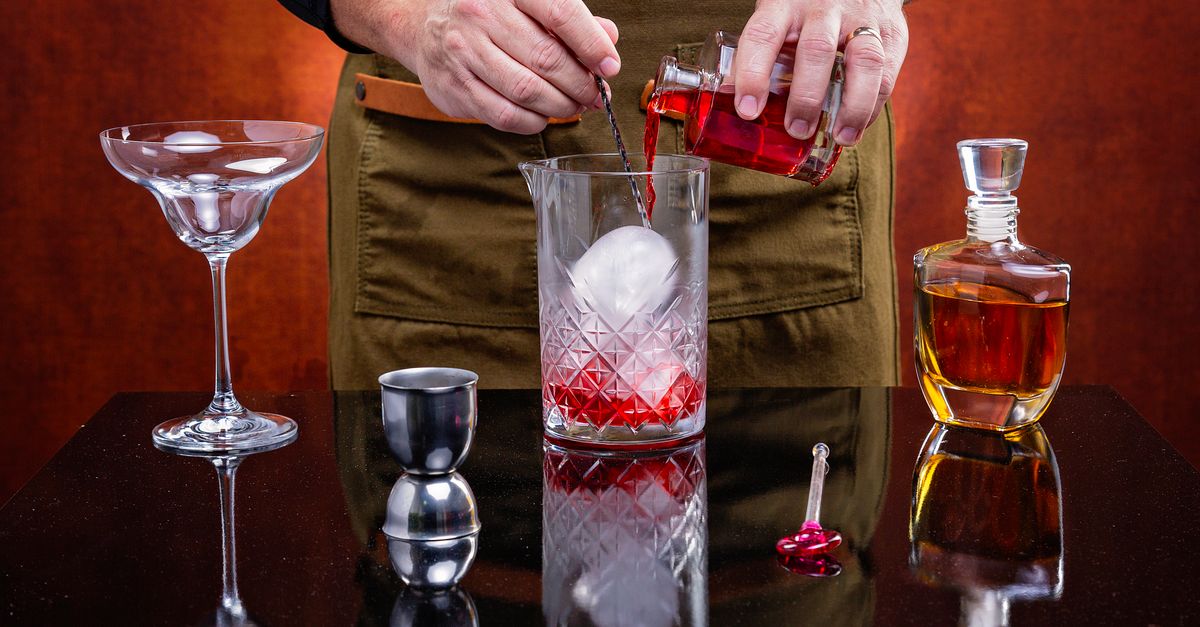
Gin vs vodka in a green olive martini: which base spirit works better
Vodka is the more forgiving choice; gin is the more interesting one. If the brine is the whole point for you, vodka gets out of the way and lets it shine. If you actually like the base spirit, a well-chosen gin adds a layer of herbal tension that a neutral vodka simply can't replicate.
The logic behind vodka is straightforward. Its near-flavorless profile means the olive brine dominates from the first sip — salt, umami, a faint grassiness from the olive itself. That's the drink. Nothing competes. For drinkers who came to the dirty martini specifically because they want that savory, oceanic hit, vodka is the more consistent vehicle.
Gin complicates things, which is either a feature or a problem. A London Dry style brings juniper, citrus peel, and often a faint pepper note that pushes back against the brine in an interesting way — the two flavors negotiate rather than one simply winning. The result is a more layered drink, but it demands a drinker who notices and enjoys that complexity rather than finding it distracting.
⚠️ One real caveat: once the brine climbs above roughly an ounce, it tends to swamp gin's botanicals anyway. At that dirtiness level, the distinction collapses and you're effectively paying for gin character you can no longer taste. Vodka becomes the smarter call the dirtier the drink gets.
Not every gin holds up equally. Floral styles — think elderflower-forward or heavily spiced expressions — fight awkwardly with salty brine. Citrus-forward London Drys perform best: Beefeater, Tanqueray, or Sipsmith all carry enough juniper backbone to stay legible alongside the olive without the botanicals turning soapy.
Choice | Flavor Profile | Best When |
|---|---|---|
Vodka | Clean, brine-forward, saline | You want olive flavor to lead; higher brine ratios |
London Dry Gin | Botanical, herbal, more complex | You enjoy the spirit; lighter brine (½ oz or less) |
Floral/Spiced Gin | Unpredictable, often clashing | Best avoided in dirty martinis entirely |
How much olive brine to use and how to dial in the 'dirtiness'
The spectrum runs from ½ oz to 1½ oz-plus, and the decision shapes almost every quality in the glass — salt level, appearance, how much of the base spirit you can actually taste.
At ½ oz, the martini reads as slightly dirty: the vermouth is still detectable, the gin or vodka stays in front, and the brine acts more as a seasoning than a flavor. The drink stays clear, or nearly so. This is the right starting point if you want the spirit to do most of the work but find a bone-dry martini too austere.
Move up to ¾–1 oz and you land in classic dirty territory. The brine turns the liquid noticeably cloudy, salt pushes forward, and the two flavors — spirit and brine — sit in something close to equilibrium. Most bartenders pouring a "dirty martini" without further instruction are working in this range.
At 1½ oz or beyond, the drink becomes what regulars call filthy. Olive brine is now the dominant flavor; vermouth often gets reduced to a mere rinse or dropped entirely. The cloudiness is opaque and greenish. It polarizes — people who love it, love it loudly — but if someone orders this without specifying, they've either had it before or they're about to learn something about themselves.
💡 Brine quality is where most home bartenders leave improvement on the table. Jarred Spanish Manzanilla olives produce a cleaner, brighter liquid than the murky generic variety; the difference is detectable in the final drink, not just in theory. Some bar professionals run cloudy brine through a fine-mesh strainer before bottling it for service, which smooths out any chalky texture without stripping flavor.
One practical habit worth adopting: store your brine separately in the refrigerator rather than leaving it in the olive jar. It extends the shelf life, keeps the liquid chilled, and means you're adding cold brine directly into the shaker — no extra dilution from warm liquid hitting ice harder than it should.
Get Your Venue Discovered
List your venue on WhatDrink so people searching for their next drink by style, location and occasion can find you.
List Your VenueWhich green olives to use as a garnish and why it matters
The olive you spear and drop into your glass isn't decorative filler — it's the last thing you taste, and the variety makes a real difference. A Castelvetrano olive and a Spanish Manzanilla are not interchangeable, even if both technically qualify as "green olives."
Castelvetranos have become the fashionable garnish in upmarket cocktail bars over the last decade, and for good reason: they're buttery, mild, and that vivid grass-green colour looks striking in a chilled glass. But that mildness is a double-edged quality. As a garnish they're excellent — soft enough to eat in one bite, not so pungent that they overwhelm the drink. As a brine source, they're too gentle; the liquid inside a jar of Castelvetranos lacks the salinity a dirty martini needs.
Manzanilla and Cerignola olives are the more traditional choices, and they hold up better on a cocktail skewer without turning mushy after a few minutes in cold gin. Both deliver a firm, clean brine on that final bite — which is, if you're drinking correctly, something of a punctuation mark at the end of the glass.
Stuffed olives shift the drink's identity depending on what's inside. Pimento adds a faint sweetness and just enough pepper warmth to complement the spirit without competing. Blue cheese stuffing is a different proposition entirely — it effectively turns the martini into a pairing, and not everyone wants their cocktail to taste like a steakhouse side dish.
One last note: three olives is standard bar practice, and while the origin is largely aesthetic (odd numbers read as more balanced to the eye), skewering an even number will mark you as someone who makes martinis at home. Which is fine, obviously.

Calories and nutrition in a green olive martini
A standard green olive martini — 2½ oz of 80-proof vodka, ½ oz dry vermouth, ½ oz olive brine — runs roughly 175–190 calories per serving. Sugar content sits below 2g, with nearly all of it coming from the vermouth; the spirit and brine contribute almost nothing on that front.
🧠 That low-sugar profile is one of the drink's more underappreciated qualities. Compare it to an appletini or an espresso martini, both of which routinely land between 250 and 320 calories once you factor in liqueurs and syrups. The dirty martini's calorie count stays compressed because there's no sweetener in the build — just spirit, a splash of fortified wine, and brine.
The brine itself is worth understanding separately. Adding more of it to chase a saltier, more aggressive dirtiness barely moves the calorie needle — an extra ¼ oz adds perhaps 3–5 calories — but sodium is a different story. Half an ounce of commercial olive brine already contains somewhere between 200 and 350mg of sodium depending on the brand, which is a meaningful chunk of a daily intake for anyone monitoring cardiovascular health. Go heavy-handed with the brine and you can push a single cocktail past 500mg of sodium without noticing.
Spirit choice shifts the numbers modestly. Gin tends to run slightly higher in calories than an equivalent pour of 80-proof vodka, though the gap across a single serving is usually under 15 calories — not enough to drive the decision, but worth knowing if you're tracking intake carefully. WhatDrink logs ABV, calorie estimates, and sugar figures across a wide range of cocktail recipes, which makes it genuinely useful for comparing a standard dirty martini against, say, a Gibson or a vesper side by side.
One honest limitation: calorie estimates vary with pour size, and a generous bartender who free-pours 3 oz of spirit instead of 2½ quietly adds another 25–30 calories without changing anything visible in the glass.

Common mistakes that make a green olive martini taste wrong
Most green olive martinis that disappoint at home fail because of a handful of mechanical errors — over-dilution, wrong temperature, bad brine — each of which has a fast fix once you know what went wrong.
Shaking instead of stirring, or stirring too long. Shaking a martini over ice for 30-plus seconds introduces far more water than the drink can absorb without going slack. The target is 15–20 seconds of stirring, which chills the spirit without dismantling its texture. Shake a dirty martini and you'll also get tiny ice shards suspended in the glass — they melt quickly, pushing the drink past the dilution point before you're halfway through it.
Skipping vermouth or using almost none. A quarter ounce of dry vermouth sounds inconsequential. Pull it out entirely and the drink loses its structural dryness; what remains is just cold gin or vodka with a briny edge, which is not the same thing. The vermouth provides a faint herbal backbone that holds the other elements in tension. It doesn't assert itself loudly, which is exactly why people think they can cut it — they can't.
⚠️ Warm glass. A room-temperature martini glass warms a chilled drink in roughly two minutes. That's not a lot of time to actually drink it. Pre-chill your glasses in the freezer for at least ten minutes, or fill them with ice water while you build the cocktail and dump it immediately before straining. This one step makes a measurable difference in how the drink holds across the full pour.
Low-quality supermarket brine. The liquid sitting in a jar of generic pitted olives often tastes acidic and faintly metallic rather than cleanly saline. That quality transfers directly into the drink. Upgrading to a Spanish manzanilla brine or a dedicated cocktail olive brine — or even the liquid from Castelvetrano olives — is the single highest-leverage ingredient swap available to a home bartender. Better brine transforms the drink; better gin does less.
Over-garnishing. Three small olives on a pick is the upper edge of sensible. Four or five large ones will slowly leach enough salt into the final third of the glass to make it nearly undrinkable. The garnish is meant to punctuate the drink, not continue seasoning it.
FAQ
What is in a green martini?
A green martini — typically called a green olive martini or dirty martini — is made with gin or vodka, dry vermouth, and a measure of olive brine stirred or shaken over ice, then strained into a chilled glass and garnished with one or more green olives. The brine is what gives the drink its slightly cloudy, savory character. Some versions swap the vermouth for a splash of extra brine, but the spirit-and-vermouth backbone stays the same.
What is a martini with an olive called?
A martini garnished with a green olive is simply called a dirty martini when olive brine has been added to the mix, or a standard martini with an olive garnish when no brine is used. The word "dirty" specifically refers to the inclusion of brine in the liquid — not just the olive sitting in the glass. Order it "extra dirty" and the bartender will add more brine; "filthy" means a lot more.
What makes a martini green?
The green color in a green olive martini comes from two sources: the olive brine itself, which carries a faint yellow-green tinge, and the green olives used as a garnish, which can leach a subtle hue into the drink over time. The effect is subtle rather than vivid — the cocktail reads as slightly cloudy and pale gold rather than obviously green. Stuffed olives, particularly those filled with blue cheese or pimento, can alter the color slightly as the filling bleeds into the liquid.
Can you make a green olive martini without vermouth?
You can, and many drinkers prefer it — a martini made with only spirit and olive brine is sometimes called a "bone dry dirty martini." Dropping the vermouth shifts the flavor profile toward richer, saltier, and more spirit-forward, since vermouth provides a floral, slightly herbal counterpoint to the brine. Whether that's better depends entirely on personal preference, though most bartenders would argue the vermouth adds a layer of complexity that brine alone can't replicate.
What cocktails use green olives?
Green olives appear most famously in the dirty martini, but they also show up in a Gibson's close cousin when paired with pickled elements, in some savory Bloody Mary variations as a garnish, and occasionally in stirred whiskey drinks where a single brined olive replaces a cherry for a saltier finish. The olive's role across all of these is similar: it adds sodium, a mild umami note, and visual contrast. Outside cocktails, green olives are a classic charcuterie board element, but in the glass they belong almost exclusively to stirred, spirit-forward builds.
How to Pull the Green Olive Martini Together
Three decisions determine whether this drink is memorable or forgettable: the base spirit, the brine ratio, and the olive variety. Everything else — glassware, ice, technique — is in service of those three.
Spirit choice shapes the drink's personality more than anything else. Gin brings botanicals that echo the olive's brininess and make the whole cocktail feel more complex, while vodka clears the stage for the brine and olive to lead without competition. Neither is wrong, but they produce drinks that are genuinely different in character, not just subtly so. If you've only ever made this with one base, the other version might surprise you.
Brine level is where most home attempts go sideways — usually in the direction of too much. Start at half a teaspoon per drink, taste it in the glass before you add more, and work up. A quarter-ounce is a reasonable ceiling for most palates. The point is saline depth, not a sip of pickle jar.
The olive matters more than most guides admit. A plain queen olive gives you clean brine flavor; a pimento-stuffed one adds a faint pepper sweetness; a blue cheese-stuffed olive turns the garnish into a course of its own. The olive isn't decoration — it's still actively flavoring the last sip, which is the one you remember.
The good news is that the green olive martini is one of the most forgiving classics to dial in at home, precisely because the variables are so legible. You can taste the brine before it goes in. You can switch olives between batches. The feedback loop is fast.
Pick one olive variety from the options above — pimento-stuffed is a solid starting point for most people — and settle on a brine ratio of three-quarters of a teaspoon to begin. Chill the glass for at least two minutes, stir the drink for a full thirty seconds over ice, and pour. Drink that version as a baseline, note what feels off (too sharp, too mild, too spirit-forward), and adjust one variable the next time. After two or three iterations the recipe is yours.