The best whiskey drinks to order at a dive bar are the ones that don't ask much of the setting: a neat pour, whiskey on the rocks, a Whiskey and Ginger, a Jack and Coke, a Whiskey Sour, or a simple Whiskey Lemonade. These are the right calls precisely because they survive the constraints — a speed rail bottle of middling quality, a bartender running four conversations at once, a bar kit that may consist of a shaker, some sour mix, and whatever's already cold. Keep it simple. The more steps and ingredients a cocktail needs, the more those constraints show up in the glass.
Dive bars are not hotel lounges. The whiskey is almost certainly a well pour unless you specify otherwise, the vermouth may have been open for weeks, and fresh citrus is a coin flip. None of that makes the drinks bad — it just means the gap between a drink that holds up and one that disappoints runs almost entirely along the line of complexity. Simple builds land consistently. Ambitious ones are a gamble you rarely win.
Why the dive bar setting changes which whiskey drink you should order
The dive bar environment narrows your realistic options in ways that matter: the well whiskey is usually a bottom-shelf blended American or a budget bourbon, the mixer selection tops out at Coke, ginger ale, sour mix, and maybe a dusty bottle of simple syrup, and the bartender is moving fast enough that a four-step cocktail becomes a two-step one whether you ordered it that way or not. Understanding that upfront is what separates a drink you actually enjoy from one you push to the side after three sips.
Well whiskey at this price point is thin, often harsh, and built for volume rather than character — that's not a complaint, just the material you're working with, and some drink formats flatter it while others expose every flaw. A whiskey sour made with sour mix from a gun covers the rough edges reasonably well. A spirit-forward build like a Manhattan gives that same whiskey nowhere to hide. No disguise, no mercy.
The speed factor compounds everything. A bartender running a Saturday-night rail doesn't have time to properly stir a cocktail for forty-five seconds or squeeze fresh citrus, which means simpler builds land closer to their intended form rather than some degraded approximation of one.
The one adjustment that changes the equation more than any other: ask for a named bottle. Most dive bars carry at least one mid-shelf option — a Maker's Mark, a Jameson, a Jim Beam Black — and the difference between well and that bottle is often worth the dollar or two upcharge.
The safest whiskey orders: neat, on the rocks, or a simple two-ingredient build
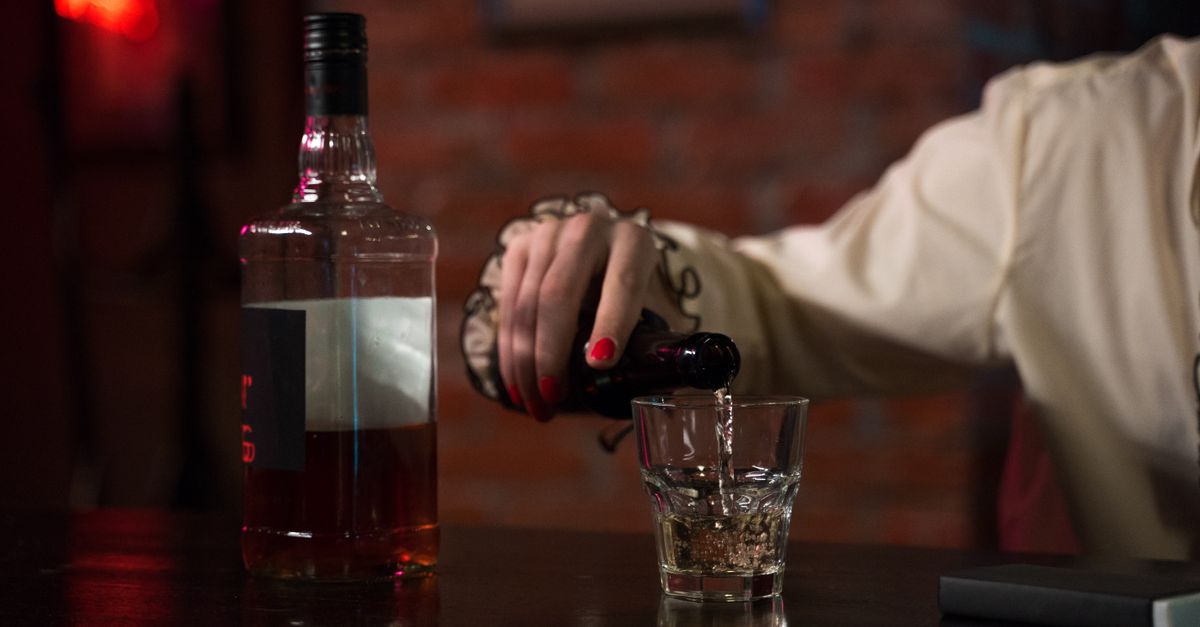
The most reliable orders at a dive bar are the ones that give the bar the fewest chances to get something wrong. A straight pour, a glass of ice, or a single mixer — these are your floors, not your ceilings.
Ordering whiskey neat or on the rocks takes the bar's mixer inventory completely out of the picture. Spot a decent bottle on the shelf. If you've identified a Bulleit, a Jameson, or anything else with a name you recognize, calling it by brand and asking for it straight or over ice is about as close to a guaranteed result as dive bars offer — the bartender pours, you drink, and the only variable is the measure itself, which most handles fine. For context on what a well-known whisky actually tastes like before you order, this breakdown of Dewar's Scotch and its flavor profile is worth a look.
Whiskey and Coke is the most forgiving two-ingredient build on the menu. Cola does real work — its sweetness rounds off rough edges and flatters even a mediocre well bourbon that might taste thin and sharp on its own, which means the bar's cheapest bottle becomes something drinkable. Almost every dive carries both ingredients, and the ratio is hard to ruin.
Whiskey and ginger ale is a small but genuine step up in complexity. Ginger brings bite. That edge makes a middling spirit taste intentional rather than accidental, and the drink reads a little less utilitarian than Coke without requiring anything the bar is unlikely to stock.
On the brand question: if the well pour tastes harsh, specifying Jim Beam, Evan Williams, or Bulleit typically adds a dollar or two and solves most of the problem. That's usually money well spent.
Which whiskey cocktails a dive bar can actually make well
Four cocktails survive the dive bar kitchen test: the Whiskey Sour, Whiskey Lemonade, Whiskey Ginger, and the informal Jack-grenadine build. Each requires nothing more than what nearly every bar in America already has behind the counter or in the gun well.
The Whiskey Sour is the most divisive of the four. Order it and you'll almost certainly get bar sour mix — a premade sweet-and-sour concentrate that's sharper and more synthetic than fresh lemon juice, which changes the drink's character considerably. That's not automatically a dealbreaker; plenty of people find bar sour mix perfectly drinkable, especially once a couple of ice cubes mellow it out. Skip the foam. Some dive bars use a powdered egg white product to get the frothy top, and the results range from fine to vaguely sulfurous — asking for "no foam" sidesteps that question entirely.
Whiskey Lemonade is the lighter sibling. If the bar stocks lemonade from a gun or a premix jug, this is a pour over ice that's slightly sweet, easy to pace yourself with, and nearly impossible to ruin — three qualities that matter more at 11 p.m. than any bartender's technique does. Not every bar carries lemonade, so ask before you commit to the idea.
The Whiskey Ginger is probably the most reliable of the bunch. Ginger ale is universal. The ratio is forgiving enough that a heavy hand doesn't wreck it, and a squeeze of lime — if the bar has a fruit tray — lifts the whole thing into something that tastes intentional rather than accidental, which is more than most two-ingredient builds can claim. For a broader map of which whiskey builds punch above their ingredient weight, this rundown of crowd-pleasing cocktails by spirit is worth a browse.
Finally, a Jack and Coke with a splash of grenadine is barely a cocktail — it's an informal tweak that bartenders recognize without hesitation. The grenadine adds sweetness and a faint cherry note without tipping into full dessert territory, which makes it useful for anyone who wants something slightly fruity but doesn't want to commit to an actual sour or lemonade build.
What to order if you want something sweet or fruity with whiskey at a dive bar
Sweeter whiskey drinks are entirely achievable at a dive bar — you just need to know which ingredients are actually behind the counter. The mistake most people make is ordering something that sounds simple but requires four fresh components. Keep it to one or two mixers and you'll be fine.
Whiskey and sweet tea is probably the most underused order in this category. Almost every dive bar has a tea gun or bottled sweet tea, and the combination works with bourbon or Tennessee whiskey without any bartender effort at all. Ask for it over ice with a lemon wedge if they have one. That's it.
A pineapple and bourbon pour is increasingly viable because pineapple juice has crossed over from tiki bars into standard mixer territory. Many dives stock it for rum drinks. Bourbon and pineapple over ice tastes tropical without demanding any real technique — the sweetness of the juice softens the spirit naturally, and the combination is hard to mess up even at volume.
If the bar has honey packets on the counter (for tea or coffee), a rough Gold Rush — whiskey, honey, lemon juice — is worth attempting. Ask before you order. Some bars won't have lemon juice either, only lemon wedges, which produces a weaker result but still drinkable. It's a conditional order, not a reliable one.
What to skip: fresh muddled fruit, egg whites, multi-juice builds, or anything that requires a shaker and three modifiers. If you're drawn to cranberry-based whiskey combinations, cocktail recipes built around cranberry juice are worth browsing before you go — but cranberry alone poured over whiskey with ice is a perfectly reasonable dive bar ask.
⚠️ Grenadine is available almost everywhere, making a whiskey sour-adjacent build (whiskey, grenadine, soda) a low-risk sweet order if you've exhausted the other options.
Get Your Venue Discovered
List your venue on WhatDrink so people searching for their next drink by style, location and occasion can find you.
List Your VenueHow to order a whiskey Old Fashioned or Manhattan at a dive bar without disappointment
Both drinks are possible at a dive bar, but the gap between a good one and a bad one is wider here than almost anywhere else — so how you ask matters as much as what you ask for.
An Old Fashioned comes down to three things: whiskey, something sweet, and bitters. Most dive bars can supply the first two. The third is where it gets unreliable. If the bar has Angostura bitters behind the rail, the drink is structurally legitimate — aromatic, balanced, worth ordering. If they don't, what you're getting is sweetened whiskey with an orange wheel on it, which isn't an Old Fashioned so much as a polite fiction. Ask before you commit.
The Manhattan has an additional variable: sweet vermouth. Some dive bars stock it, many don't, and the ones that do sometimes have a bottle that's been open since the last administration. Vermouth oxidizes. A Manhattan made with turned vermouth tastes faintly medicinal in a way that isn't charming. Always ask if they have it, and if the bartender reaches for something from a dusty shelf without hesitation, that hesitation you were expecting probably won't come — just accept it or pivot.
⚠️ If you do order a Manhattan, specify rye over bourbon. Rye's sharper grain profile holds its own against sweet vermouth in a way that bourbon — softer, rounder — often doesn't, especially when the vermouth ratio is eyeballed rather than measured.
The clearest signal to bail on both drinks is a bartender who pauses too long when you say "Old Fashioned," or who asks, without any self-consciousness whatsoever, whether that has gin in it. Bail. Order a Whiskey Ginger instead — same whiskey, far less that can go wrong, and you'll actually enjoy what lands in front of you.
How to use whiskey type — bourbon, rye, Scotch, Irish — to steer your order
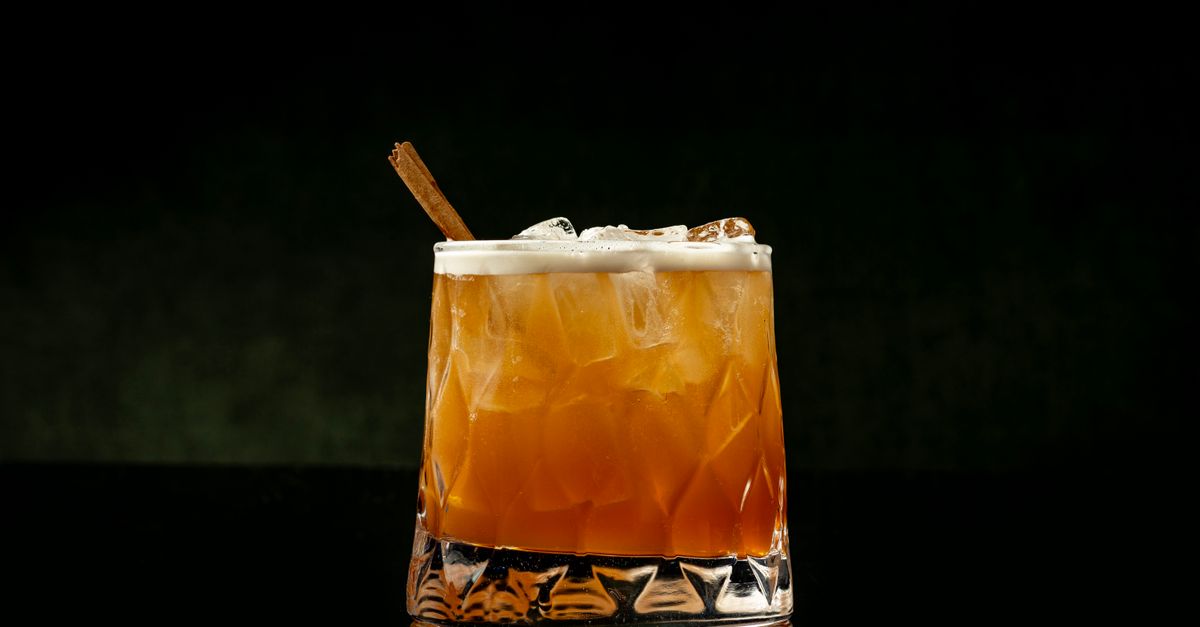
Deciding on a whiskey base before you order a drink will serve you better than picking a cocktail name and hoping the well spirit underneath it cooperates. Each style has a distinct flavor profile, and that profile either works with a dive bar mixer or fights it.
Whiskey type | Flavor character | Best dive bar builds |
|---|---|---|
Bourbon | Sweet, vanilla, mild oak | Whiskey-Coke, ginger highball, lemonade, pineapple |
Rye | Spicy, dry, sharp | Ginger highball, rocks pour, simple two-ingredient builds |
Irish | Light, smooth, low burn | Well-spirit orders, Coke, ginger — most forgiving baseline |
Scotch | Smoky, malty, complex | Ginger ale, neat, on the rocks |
Bourbon's sweetness makes it the most versatile mixer. The vanilla notes meet Coke, ginger beer, or pineapple juice halfway, and even a mediocre well bourbon holds up in those builds.
Rye is drier and pushes back against sweet mixers — rye-ginger works beautifully, but pair rye with lemonade and the sharpness can turn abrasive enough to make you regret it. Better to drink rye on the rocks and leave it alone.
Irish whiskey is the most forgiving well-spirit order in this category. Even budget blends drink cleanly, which matters enormously when you can't see the bottle and have no way to verify what you're actually getting. Order it with ginger or Coke and there's almost nothing to go wrong.
Scotch and ginger ale is underrated and almost every dive bar can make it. Blended Scotch carries a light smokiness that sits differently against ginger than bourbon does — less candy-sweet, more interesting.
WhatDrink's flavor profile tool lets you cross-reference your preferred whiskey style against a full list of builds before you walk in — though it skews toward classic cocktail specs, so very simple dive bar formats get less coverage there.
FAQ
What's a good whiskey drink to order at a bar if you don't know what you like?
A Whiskey Ginger — bourbon and ginger ale — is the most forgiving starting point: sweet enough to soften whiskey's edge, simple enough that any bar can make it without effort. Specifying a milder bourbon like Evan Williams helps if the spirit heat feels like too much. Easy adjustments. If you want something even lighter, a Whiskey Lemonade with a well bourbon does a similar job, and both drinks give you a working sense of what whiskey actually tastes like underneath the mixer — without letting the base spirit overwhelm everything else in the glass, and without requiring you to already know what you're looking for.
Can you order a Whiskey Sour at a dive bar?
You can order one, but most dive bars will reach for a pre-made sour mix rather than fresh lemon juice, which makes the result significantly sweeter and flatter than what you'd get at a cocktail bar — and that's a meaningful difference in a drink that depends on bright citrus balance for its character. Not necessarily a dealbreaker. A Whiskey Sour with sour mix and a solid bourbon like Jim Beam is still a drinkable thing; just don't go in expecting much, and if you spot a bottle of Rose's or similar on the rail, you'll know what's coming.
What whiskey drinks work well for someone who doesn't usually drink whiskey?
Irish whiskey with ginger ale or lemonade is the most reliable starting place for skeptics. Jameson — the most widely available option — is lighter-bodied and noticeably smoother than bourbon or rye, carrying less of the char and heat that puts newcomers off. A Jameson Ginger sits close enough to a flavored cocktail that it doesn't announce itself as a serious whiskey drink in the way even a lightly poured neat glass does. Low friction matters here. From there, a Whiskey Lemonade or a Whiskey Sprite in the same vein keeps the experience approachable without requiring any commitment to the category.
Is it worth ordering a named brand whiskey at a dive bar instead of well whiskey?
For simple two-ingredient builds — whiskey and ginger, whiskey on the rocks — yes, almost always. Calling for a specific bottle usually adds only a dollar or two, and it makes a meaningful difference to the flavor, since there's nowhere for a mediocre well spirit to hide when the only other ingredient is carbonated water and the drink lives or dies on what the whiskey itself tastes like. Worth the upgrade. For anything with more going on, like a properly built Old Fashioned with bitters and sugar, the base spirit matters less relative to how carefully the drink is assembled — so the extra spend earns its keep most reliably when the build is stripped back and simple.
How to Choose What to Order: A Practical Decision Framework
The single most useful decision you can make before you flag down a bartender is picking your whiskey type. Bourbon is sweet and approachable. Rye is spicier and drier, Irish whiskey is light and soft, and Scotch — if the bar even stocks one worth ordering — brings smoke and weight that mixer-heavy builds tend to bury rather than complement, which makes it a poor fit for most casual bar environments. Once you've landed on the type, build complexity should follow the room: a busy bar with two bartenders and a wall of tickets is not the venue for a Manhattan, but if it's a quiet Tuesday and the bartender is clearly comfortable behind the rail, a properly stirred Old Fashioned is a reasonable ask.
The complexity ladder works like this. If the bar is slammed, stick to one or two ingredients — neat, on the rocks, or spirit plus a single mixer. If the pace is slower and the bartender seems engaged, classic stirred cocktails are within reach, provided you ask plainly and don't over-specify. Somewhere in the middle, a Whiskey Ginger with a named bourbon covers almost every scenario: it's forgiving of variable technique, it lets the whiskey's character come through, and it's fast to make without being a throwaway order. Among everything on this list, Maker's Mark and ginger ale — or Evan Williams if you want to keep the cost down — handles the widest spread of bar conditions and personal taste ranges with the least risk of disappointment.
Building a preference before you walk in makes every exchange shorter and more likely to land well. WhatDrink offers a way to explore whiskey flavor profiles and get a clearer sense of which styles and builds actually suit your palate — not as required homework, but as useful context that makes the "what do you want?" moment slightly less improvised.