
Tequila drinks in a can cover a wider range than most people expect. The main formats are canned margaritas, palomas, tequila seltzers, and broader RTD (ready-to-drink) cocktails made with agave spirits — and their strength runs from around 5% ABV, roughly equivalent to a standard beer, up to 10% ABV, closer to a glass of white wine. According to Tasting Table's ranked guide to canned tequila cocktail brands, some products like On the Rocks sit at 10% — wine-strength territory — while seltzer-style options like Lake Hour land at 5%, and mid-tier margarita cans cluster around 5.9%. The format has grown well past novelty status because it solves a real problem: a properly made margarita at home requires fresh lime juice, a decent triple sec, and some discipline about ratios. A good can skips all of that.
But the quality gap between brands is genuine, and it's wider than the price difference alone would suggest. A 5% seltzer makes sense at a picnic in a way that a 10% RTD cocktail probably doesn't; the reverse is true for a dinner party where you'd otherwise open wine. Style matters as much as brand. The most recognizable name on the shelf is rarely the best value.
What styles of tequila drinks come in cans?
Four main formats dominate the canned tequila category: margaritas, palomas, tequila seltzers, and premium RTD cocktails. Knowing which is which saves you from cracking open something you weren't expecting.
The canned margarita is by far the most common. Brands balance blanco tequila, lime juice, and some form of orange liqueur or citrus sweetener — essentially a pre-made margarita that travels well, holds up in a cooler, and requires zero bartending. Quality varies wildly.
Paloma-style cans are the underrated alternative. They lean on grapefruit. That shift away from lime produces a drier, slightly bitter finish that reads as more refreshing on a hot afternoon than most margaritas manage — if a can feels too sweet to you, a paloma-style is usually the smarter reach.
Tequila seltzers occupy the lighter end of the spectrum — lower sugar, thinner body, and a subtler agave presence. Think of them as the agave-spirit answer to White Claw: sessionable and relatively clean, but not something you'd mistake for an actual cocktail.
Then there are the premium RTDs. This is the category growing fastest among tequila drinkers who want something more considered than flavoured sugar-water — higher-proof tequila, less sweetener, and proportions closer to what a bartender would actually pour into a glass for you rather than approximate for shelf life. Brands like On the Rocks sit here. Price is the trade-off: expect to pay noticeably more per can than you would for a standard margarita.
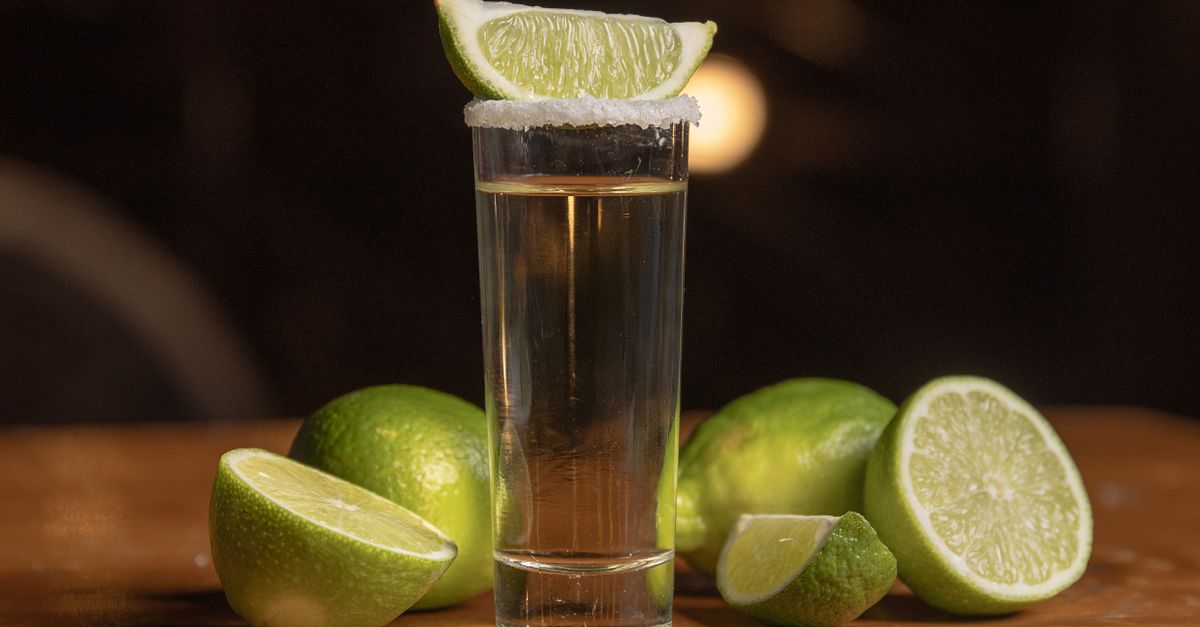
How strong are canned tequila drinks compared to beer and wine?
Canned tequila drinks span a surprisingly wide range — from beer-level 5% ABV up to wine-level 10% — so the format alone tells you nothing about how much alcohol you're actually consuming. The tier you pick matters more than you might expect.
At the light end, seltzer-style cans like Lake Hour sit at 5% ABV, which Tasting Table's ranked guide notes is equivalent to a standard 12-ounce bottle of beer. Mid-range margarita cans run around 5.9% — Cazadores' four varieties land roughly there, matching a craft beer. That gap from the premium RTD tier is meaningful, though it doesn't look dramatic on a label. On the Rocks climbs all the way to 10%, putting it on par with a glass of white wine and making it almost twice as strong as the seltzer-style options sitting at the bottom of the range, which is a distinction that matters when you're halfway through your second can and still think of it as a light drink.
Product tier | Example | ABV | Equivalent to |
|---|---|---|---|
Seltzer-style | Lake Hour | 5% | 12 oz bottle of beer |
Margarita-style | Cazadores varieties | 5.9% | 12 oz craft beer |
Premium RTD | On the Rocks | 10% | 5 oz glass of white wine |
The practical implication: drink two 10% cans and you've had the alcohol equivalent of nearly a full bottle of wine. Pacing yourself against the can count rather than the ABV number is a common miscalculation.
What canned tequila drinks are low in calories or sugar?
Tequila seltzer-style cans are the lightest option by a wide margin — most land between 90 and 130 calories because they use sparkling water as the base rather than juice concentrates or agave syrup. Margarita-style cans sit at the opposite end of that spectrum, and added sweeteners (triple sec, simple syrup, agave nectar) are what push the count up, not the tequila itself.
The "skinny margarita" label deserves skepticism. Brands use it loosely — a can marketed that way can still carry 18–22 grams of sugar per serving, which is roughly what you'd find in a standard soda. The nutrition panel is the only reliable check: look at grams of sugar, not the front-of-label language.
Non-carbonated canned tequila cocktails are a format most buyers overlook. Partly because they're rarer on shelves — but the distinction matters. Without carbonation to add body, these drinks typically lean on real citrus juice and a lighter hand with sweetener, which can keep sugar lower even when the ABV runs higher than a seltzer does, giving calorie-conscious drinkers a different option. Fewer brands produce them, so finding one you actually like takes more searching than grabbing a canned margarita off an end display.
For anyone cross-referencing formats before buying, WhatDrink's filters for drinks sorted by calorie count and sugar content let you compare profiles across canned tequila styles in one place. The limitation: label data is only as accurate as what brands self-report, so treat the numbers as directional rather than precise.
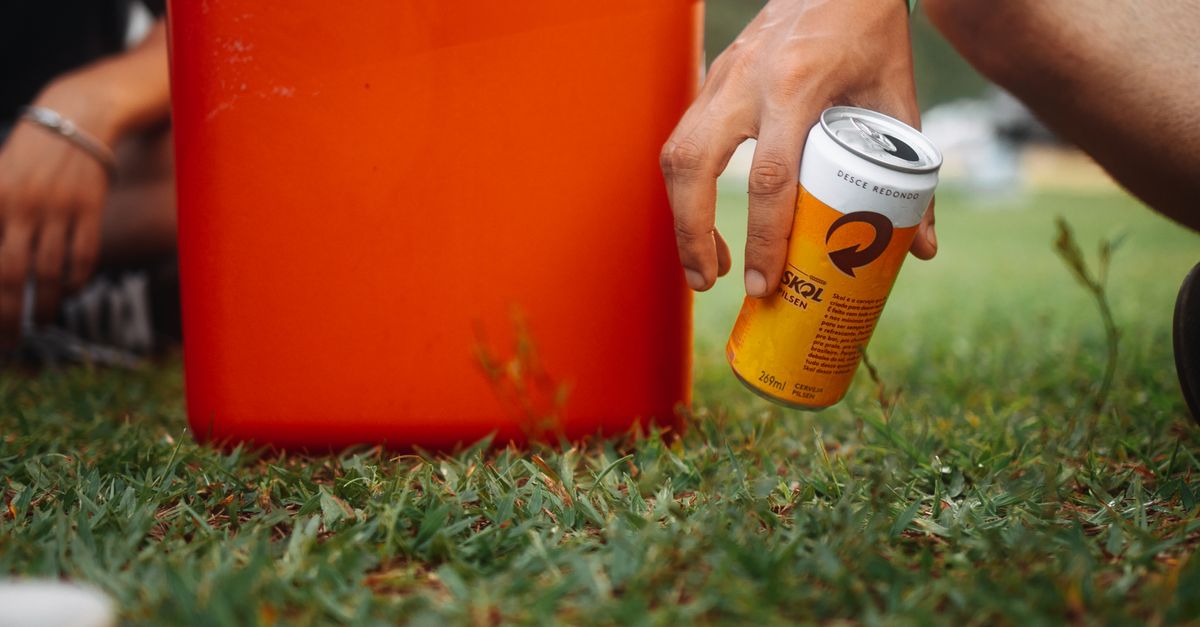
What makes a good canned tequila drink — and what cuts corners?
The single most revealing label check is whether the can says "tequila" or "tequila-flavored malt beverage." The latter is brewed from a beer base and uses flavoring to approximate agave spirit — no actual tequila inside, regardless of how the branding is styled.
Past that first filter, look for "100% blue agave." That phrase means the tequila inside was made to the same regulated standard as a bottle from a liquor store shelf — no added sugars from non-agave sources, no dilution with neutral spirit. Its absence doesn't guarantee a bad drink, but it does mean corners were cut somewhere in production.
The base spirit's age matters more than most buyers expect. Blanco-based cans have a clean, grassy edge. Reposado-based versions spend time in oak, and that resting period introduces honey and baking spice notes — Toucan Cocktails describes their reposado as cooked over stone and rested up to a year, long enough for those warmer flavors to develop without losing the agave underneath. That distinction holds up in the glass — it's not something the marketing invented.
⚠️ On juice versus concentrate: cans built with real lime or grapefruit juice tend to taste brighter and slightly uneven in the best way. Concentrate produces a flatter, more uniform tartness that's easy to spot once you've had the real thing.
Brand name is not a quality proxy. Some of the best-reviewed canned tequila drinks in 2026 come from producers most shoppers haven't heard of.
Get Your Venue Discovered
List your venue on WhatDrink so people searching for their next drink by style, location and occasion can find you.
List Your VenueWhich occasions actually suit a canned tequila drink?
Not every canned format fits every situation — and treating them as interchangeable is where most people go wrong. The format should match the occasion almost as deliberately as you'd choose a beer style.
Low-ABV seltzer cans (4–5%) are built for long outdoor sessions where pacing is the whole point. A full pool day, a music festival, a beach cooler that gets cracked at noon — these are environments where a 10% cocktail would be a poor decision by hour three.
Margarita-style cans occupy a different lane entirely. They belong wherever you'd otherwise flag down a server and order the house marg without much deliberation: a casual backyard dinner, a tailgate, a picnic where nobody wants to manage a blender. They're not trying to replace a craft cocktail; they're replacing the adequate-but-forgettable one.
Higher-ABV RTDs — the ones sitting around 10% — deserve a glass with ice, full stop. Sipping a 10% paloma straight from the can is an experience that serves no one. Pour it over a few cubes and it behaves like a proper drink — the format stops working against itself and the flavour actually lands the way it was meant to.
Non-carbonated options are worth hunting down if carbonation causes you discomfort but you still want something in the tequila cocktail register — a still ranch water or a flat margarita blend sidesteps the fizz without sacrificing the format.
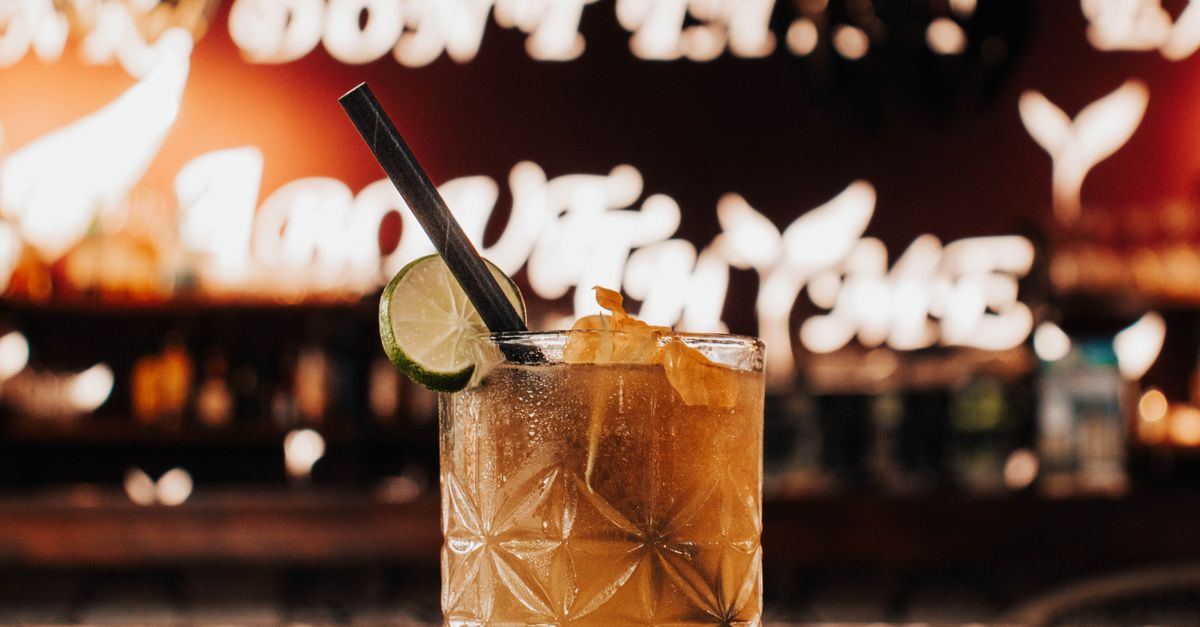
How to find canned tequila drinks near you
Total Wine, ABC Fine Wine & Spirits, and most large-format liquor retailers stock the mainstream lineup — High Noon, Cutwater, Jose Cuervo — reliably enough that you can usually grab a mixed single-can selection before committing to a six-pack, which is the sensible way to audit which ABV tier actually suits you. Smaller producers like Suerte or Lake Hour are a different story; craft-focused bottle shops are a far better bet than a big-box chain that restocks what moves fastest.
If you'd rather try something at a bar before buying a case, WhatDrink's venue directory connects to real bars and breweries serving canned and draught tequila cocktails nearby. The directory does solid work for discovery, though coverage is thinner in smaller cities, so it works better as a starting point than a guarantee.
FAQ
What is the best canned tequila drink for people who don't like sweet drinks?
Tequila seltzers are the clearest starting point. Most land under 4 grams of sugar and lean on sparkling water to carry the agave flavor rather than syrup or fruit concentrate, which makes them substantially drier than the canned margarita segment. Brands like Canteen and Volley use 100% agave blanco and add citrus in small enough quantities that the drink stays dry and slightly mineral. If even light fruit flavor reads as too sweet, look for labels that list no added sugar and confirm that real tequila — not a malt base — is the first liquid ingredient.
Are canned tequila drinks made with real tequila or a malt base?
Some are, some aren't. Genuine canned tequila drinks — including most named seltzers and RTD margaritas from recognizable spirits brands — use distilled tequila, which must legally come from blue agave grown in designated Mexican states. That geographic and agricultural restriction is something malt-based products don't face at all. Malt-based alternatives like some grocery-store "margarita" cans use fermented grain as the alcohol base and add flavorings to approximate the taste; checking the ingredients list or the TTB statement of composition on the label is the most reliable way to tell them apart, because the front of the can won't always make the distinction obvious.
What canned tequila drinks are non-carbonated?
Non-carbonated options exist, though they're a smaller slice of the market. Still formats do exist. Some RTD margarita lines — particularly those packaged in larger 12 oz or 16 oz cans meant to mimic a blended bar drink — are still rather than sparkling, since the cocktail itself traditionally isn't effervescent. Cutwater's canned margarita and a handful of shelf-stable cocktail brands offer still formats. No "sparkling," "seltzer," or "carbonated" on the label is the quickest filter when you're browsing in a store.
What is a popular Mexican canned drink made with tequila?
The category most associated with Mexico domestically is the canned Paloma — tequila mixed with grapefruit soda, typically a blanco or joven expression. Jumex and Herradura have both produced canned tequila beverages for the Mexican market, and Jarritos-style grapefruit is the classic mixer; several Mexican spirits producers sell ready-mixed versions in 355 ml cans that you can find in specialty import shops. In the United States, Topo Chico Hard Seltzer Margarita and similar crossover products draw on that Mexican flavor tradition while being brewed for the American market.
How to decide which canned tequila drink to buy
The choice narrows faster than most people expect once three variables come into focus. First, ABV: if you want something sessionable alongside food or in the sun, a 4–5% seltzer keeps pace with beer; if you're replacing a built cocktail, a 10–12% RTD margarita is the closer match. Second, carbonation — a genuine dealbreaker for some people, and not just a preference. Sparkling seltzers feel lighter and more refreshing in heat but can be exhausting over a long afternoon; still margarita cans sit differently. Third, sugar tolerance, which matters more than calorie counts suggest, because sweetness affects how a drink ages on your palate across a second or third can.
The most practical advice is to sample across all three tiers — a tequila seltzer, a mid-strength canned margarita, and a full RTD cocktail — before committing to a case. The difference between a 4% Volley and a 12.5% On The Rocks Margarita isn't just strength; it's texture, sweetness, and how present the agave actually tastes, none of which resolve on paper.
What does more work than any ranked list is label literacy. Two questions cut through most of the noise: is the alcohol base real distilled tequila, or a malt or wine spirit dressed up with flavoring? And is that tequila made from 100% blue agave, or a mixto that blends in other sugars during fermentation? The answers sit right on the can — in the ingredients, the statement of composition, or the "100% agave" callout that producers who use it almost always put on the front. Brands that don't answer those questions visibly usually have a reason for the omission. That's the one piece of label reading that travels to every store shelf, every new brand, and every occasion — more reliably than any recommendation.