
The sweetest type of red wine, by most measures, is either Brachetto d'Acqui — a sparkling Italian red with a delicate raspberry sweetness — or Ruby Port, which can carry residual sugar levels high enough to make the wine taste almost syrup-like. Both sit at the extreme end of a spectrum that confuses most wine drinkers, because red wine is broadly assumed to be dry. That assumption breaks down fast. According to Usual Wines, residual sugar in red wine can range from around 1% all the way to 20% — a gap wide enough to put two bottles in completely different taste categories even if both carry the same colour on the label, priced the same, stacked side by side in the same shop.
Sweetness in wine comes from residual sugar: grape sugars that remain after fermentation stops, either naturally or because a winemaker intervenes. The more sugar survives the process, the sweeter the wine.
What follows is a ranked walkthrough of seven red wine styles, moving from lightly sweet — the kind of gentle fruitiness that just softens a dry finish — through to full dessert-level sweetness where the sugar is the whole point.
What makes a red wine sweet or dry?
Sweetness in red wine comes down to one thing: residual sugar, the grape sugar that survives fermentation. When yeast converts sugar to alcohol, it rarely consumes every last gram — whatever remains is called residual sugar (RS), measured in grams per litre, and it is the primary reason one red tastes like dessert and another tastes bone dry.
But RS alone doesn't tell the full story, and this is where most casual drinkers get tripped up. Fruit character fools the palate. A Malbec or a Zinfandel can read as noticeably sweet — ripe plum, jammy blackberry, a warmth that coats the tongue — while sitting at under 4 g/L RS, which technically makes it a dry wine, because the grapes were ripened long enough to develop intensely fruited aromas that the brain interprets as sweet even when the chemistry says otherwise.
⚠️ Tannins complicate this further. High tannin — the grippy, astringent compound most concentrated in thick-skinned grapes like Cabernet Sauvignon and Nebbiolo — actively competes with sweetness perception. It binds to saliva proteins and creates a drying sensation that can mask whatever RS is present. A Cabernet sitting at 5 g/L RS might taste drier than a low-tannin Gamay at 3 g/L, purely because the tannin drowns out any softness. Acidity plays the opposite role in a different direction: high acidity sharpens the palate and makes RS register more clearly, which is partly why sweet sparkling reds taste so vivid.
Labels almost never print RS directly. Instead, look for style descriptors — off-dry signals a hint of sweetness (roughly 4–12 g/L), demi-sec means noticeably sweet, and dolce or amabile on Italian bottles flags a full dessert-style wine. When those terms are absent, the variety and region become your best guides, which is exactly what the rankings ahead address.
Red wine sweetness chart: dry to sweet at a glance
The four tiers below — dry, off-dry, medium-sweet, and dessert — cover virtually every red wine style you'll encounter, mapped against their residual sugar (RS) levels so you can navigate a wine list or a shop shelf without guessing. As Usual Wines notes, the gap between the driest and sweetest red wines is enormous — some styles carry residual sugar levels twenty times higher than others.
Sweetness Tier | RS Range | Common Red Wine Styles | Example Style to Look For |
|---|---|---|---|
Dry | Under 4 g/L | Cabernet Sauvignon, Pinot Noir, Merlot | A Napa Cab or Burgundy Rouge |
Off-dry | 4–12 g/L | Zinfandel, Malbec, some Shiraz | Paso Robles Zinfandel |
Medium-sweet | 12–35 g/L | Lambrusco Amabile, Brachetto d'Acqui still | Emilia-Romagna Lambrusco Amabile |
Sweet / Dessert | 45 g/L and above | Ruby Port, Brachetto d'Acqui DOCG sparkling, Recioto della Valpolicella | Quinta-bottled Ruby Port |
A few things the table can't show on its own. First, perceived sweetness and measured RS don't always track neatly — a Zinfandel at 8 g/L can taste noticeably sweeter than a Merlot at the same number, because lower acidity leaves sugar with nowhere to hide, making the two wines feel like they occupy different tiers entirely despite identical measurements. Second, the same grape name can span multiple tiers depending on how the wine is made. Lambrusco is the clearest example. A secco bottling sits firmly in the dry tier, a dolce crosses into fully sweet territory, and an amabile lands somewhere in between — which means the label style descriptor matters more than the grape name.
Port works similarly — a Tawny and a Late Bottled Vintage can differ by 30 g/L or more depending on the producer's finishing decisions.
For the rankings that follow, the styles in the medium-sweet and dessert rows are the ones doing the real work if your goal is the sweetest type of red wine. The dry tier is included for orientation, not because Cabernet Sauvignon is likely to satisfy a sweet-wine craving.

The sweetest red wines ranked: from Lambrusco to Port
Seven styles, arranged below from least to most residual sugar — so wherever you land on the sweetness spectrum, you'll know which wine sits there with you.
Lambrusco Amabile is the obvious entry point. Lightly fizzy, somewhere between 7–9% ABV, and packed with strawberry and fresh cherry, it reads almost like a grown-up sparkling fruit drink — a quality that makes it particularly welcoming for anyone stepping away from soda or flavored seltzers. It's not a wine you sip to impress a sommelier; it's a wine you open on a Tuesday because it's cold and easy and costs twelve dollars.
Brachetto d'Acqui DOCG sits just above it in delicacy, though arguably below it in sugar impact. At around 5.5% ABV — barely stronger than strong beer — it delivers rose-petal perfume, ripe raspberry, and a whisper of fizz. Lightest-bodied of the sweet reds. Among the wines in this category that carry real sweetness, it is also the most floral, and a good bottle can feel like dessert before dessert arrives.
Demi-sec and Dolce commercial red blends occupy the middle ground that most people think of when they Google "sweet red wine." Brands in the Ménage à Trois Dolce territory — and there are dozens of near-identical shelf-mates — are widely available, reliably approachable, and routinely criticized for lacking anything that resembles complexity. That criticism is fair. They serve a purpose: consistent, affordable, and friendly to newcomers who find tannic reds abrasive. Just don't expect to be surprised.
Recioto della Valpolicella is where the category opens up into something more rewarding. Made from partially dried Corvina and Rondinella grapes — the same drying method used for Amarone, but with fermentation stopped early to retain sugar — it's velvety, fig-dark, and carries a dried-cherry richness that commercial sweet reds can't touch. Rare. Worth hunting down if you want sweetness that earns its place rather than simply announcing itself on the label.
Ruby Port is the most intensely sweet widely available red wine most people will ever encounter. Fortified with grape spirit mid-fermentation, it stops at 19–22% ABV. Dark fruit, bitter chocolate, a hint of walnut — the flavors are layered in a way that rewards slow sipping, and the alcohol alone demands smaller pours than you'd use for a table wine, a discipline that's easy to underestimate until you've misjudged a second glass. Usual Wines notes that full-bodied fortified reds can exceed 15% ABV and advise watching how many glasses you pour — with Port regularly sitting above 19%, that guidance carries real weight.
Maury and Banyuls, the French cousins of Port made from old-vine Grenache in Roussillon, deserve a brief mention for the adventurous shopper. Both are fortified and sweet, but they pull toward a slightly earthier, more garrigue-inflected direction — less chocolate fudge, more dried black olive and kirsch. Occasionally cheaper, too, for the quality on offer. They're harder to find than comparable Port, but worth the search if you want something that sits between familiarity and surprise without fully committing to either.
The spectrum here spans from a lightly sweet fizz you could drink with pizza to a fortified pour you'd nurse over a board game. Different occasions, different needs — and the sweetest type of red wine for you depends almost entirely on which end of that range fits the moment.
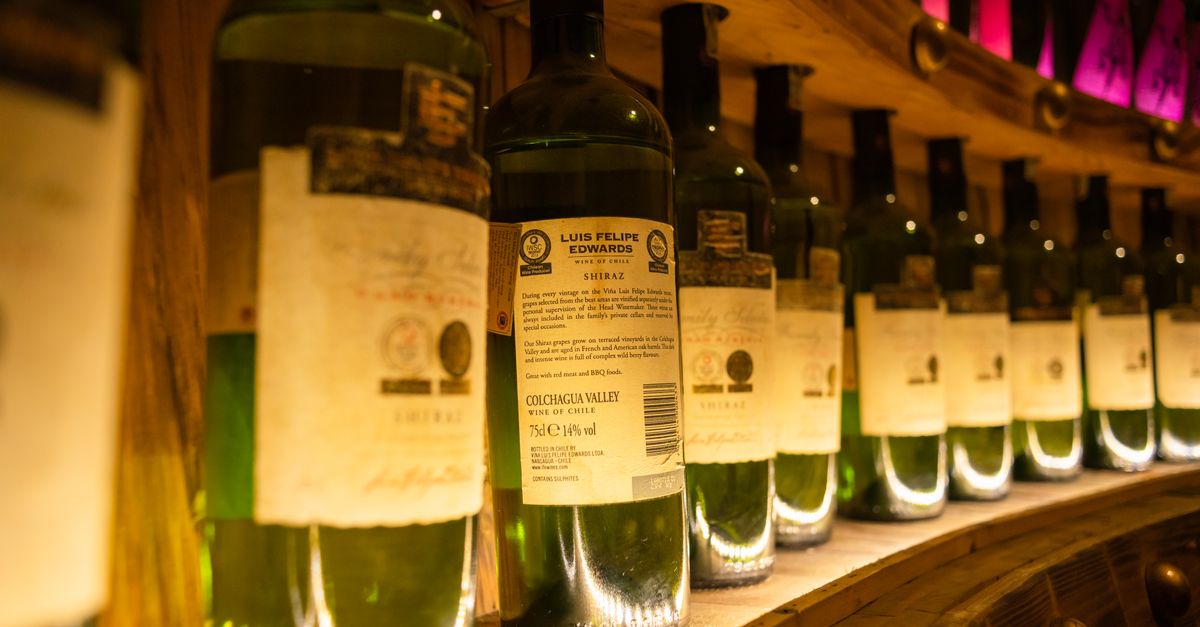
Which sweet red wine is best for beginners?
Lambrusco Amabile is the most forgiving entry point into sweet red wine. Low tannin, obvious strawberry-and-cherry fruitiness, and a gentle fizz that softens the whole experience — it removes the single biggest obstacle that turns newcomers away from red wine before they've really given it a fair try.
That obstacle is bitterness. Tannin is the mouth-drying, slightly astringent sensation that hits when you sip a Cabernet Sauvignon or a young Barolo, and for someone whose palate is trained on soft drinks, juice, or sweet white wine, it can feel like a punishment rather than a pleasure. Sweet reds with naturally low tannin — Lambrusco first among them — sidestep this entirely. The wine reads as fruit-forward and fun rather than stern. Most bottles land under $15 and are stocked in any supermarket with a half-decent wine aisle. A beginner who has to hunt for something is a beginner who might not bother — and that accessibility gap matters more than most recommendations acknowledge.
If the person you're recommending to already drinks Moscato or off-dry Riesling, Brachetto d'Acqui is worth suggesting instead. Floral. Easy. The flavor bridge is intuitive — rose petal, raspberry, delicate sweetness — and it shares the low-alcohol, lightly sparkling profile that Moscato fans already find comfortable, which means the jump from one to the other rarely produces any resistance. Think of it as Lambrusco's softer, more floral sibling.
⚠️ One firm steer-away for complete beginners: Port. Dark, intense, unfamiliar. The sweetness is extreme and the ABV runs 19–20%, a combination that confounds even drinkers who've spent a few years working through a regular wine list — so dropping someone there whose reference point is a grocery-store rosé is setting them up to decide they dislike sweet red wine entirely, which is the opposite of the goal, and the dark dried-fruit character only compounds how foreign the whole experience feels.
For anyone who prefers browsing by taste rather than memorizing grape names, WhatDrink lets you filter red wines by sweetness level and flavor profile — a practical way to narrow things down without needing to know the difference between Lambrusco Dolce and Lambrusco Amabile upfront. The selection reflects what's listed in the database, so very small-production or regional bottles may not appear, and that's worth keeping in mind. For mainstream sweet reds, though, it covers the ground a beginner actually needs.
Get Your Venue Discovered
List your venue on WhatDrink so people searching for their next drink by style, location and occasion can find you.
List Your VenueDoes sweetness in red wine mean more calories and sugar?
Not necessarily — and the relationship between perceived sweetness and actual sugar load is more complicated than most drinkers expect. The short answer: alcohol contributes far more calories to a dry red wine than residual sugar does, and a wine that tastes noticeably sweet can still come in lower on total calories than a bone-dry one if its ABV is low enough.
Take a standard dry Cabernet Sauvignon at 14.5% ABV. Residual sugar sits around 2 g/L. That's nutritionally a rounding error — almost every calorie in that glass traces back to the alcohol itself, and a 5 oz pour lands somewhere around 125–130 calories, essentially none of which comes from sugar.
Now consider Ruby Port: 19–20% ABV, residual sugar around 100 g/L, typically served in a 3 oz pour. The alcohol alone accounts for well over 100 calories. Sugar adds another 80–100 calories on top. A single small Port glass can approach or exceed 200 calories, with meaningful grams of sugar in every serving — the kind of number that actually matters if you're tracking intake.
Lambrusco Amabile sits at the opposite end of the practical math. Sweet on the palate, yes. But at 7–8% ABV, total calories per glass often fall below a dry Cabernet at 14.5% — because even though sugar is present at maybe 30–50 g/L depending on the producer, the low alcohol keeps overall numbers modest, making it arguably the most forgiving entry point into sweet red wine for anyone paying attention to what they consume.
⚠️ The tier that warrants actual caution is Port, Recioto della Valpolicella, and other fortified or dried-grape styles, which concentrate both alcohol and sugar at the same time. Lambrusco doesn't. Most semi-sweet reds don't. The assumption that "sweeter wine = worse for my diet" only holds reliably at the far end of the spectrum, where both variables spike together rather than one compensating for the other.
For drinkers who want to compare actual numbers before choosing a bottle, WhatDink's guide to red wines filtered by sugar content and calorie range gives per-style breakdowns rather than vague category labels — useful when you want something that tastes approachable without the Port-level sugar hit. One honest limitation worth naming: the data reflects category averages, so individual producers within a style can land meaningfully above or below the listed range, especially in Lambrusco, where sweetness levels vary enormously from one bottling to the next and a single producer's technical sheet will tell you far more than any generalized chart. Cross-checking with that sheet is a sensible extra step if precision matters.
The practical rule: watch the ABV column as closely as the sweetness descriptor, and reserve real scrutiny for anything fortified.
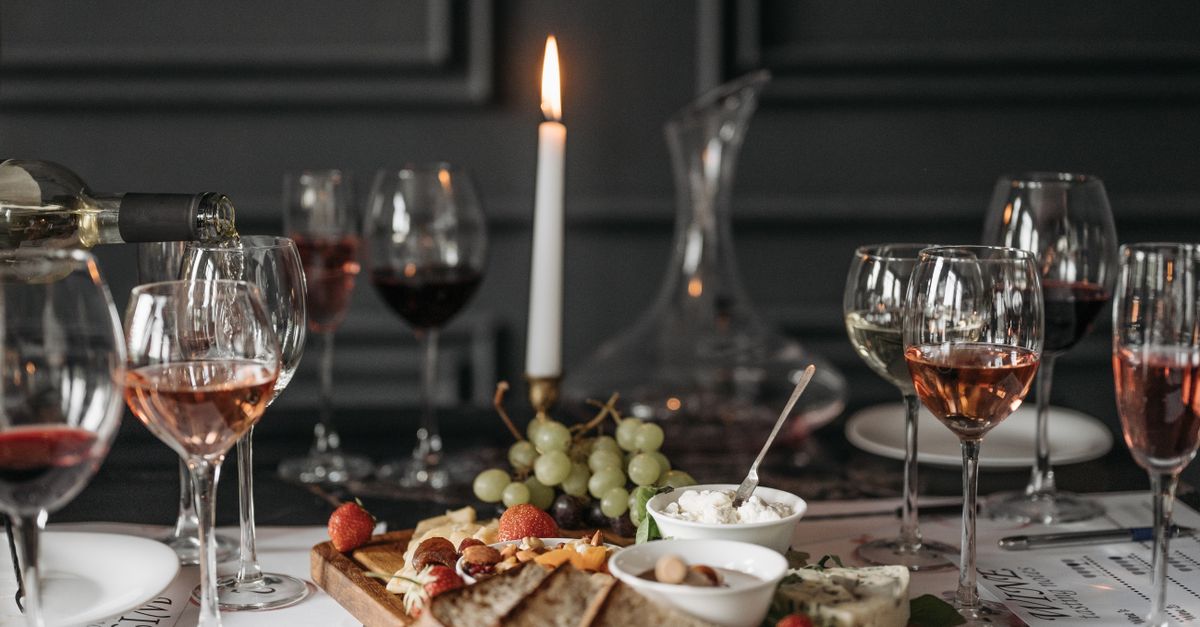
Is Merlot sweeter than Cabernet Sauvignon?
Neither is sweet — both sit firmly in dry territory, with residual sugar under 4 g/L in virtually every commercial bottle you'll encounter. The perception that Merlot is "sweeter" comes from something else entirely.
Merlot carries lower tannins than Cabernet Sauvignon, and that structural difference changes everything about how your palate reads the wine. Tannins create bitterness and grip; strip those back, and the same amount of fruit — plum, dark cherry, a hint of chocolate — registers more openly, without competition. The wine feels plush and round. Cabernet's firmer tannic frame doesn't mask its fruit, but it does push back against it, making an identical residual sugar level feel noticeably drier on the finish.
This is the distinction that gets collapsed in a lot of casual wine conversation: smooth does not mean sweet. Smoothness is a tannin quality. Sweetness is a sugar reading. A Merlot can be velvety and approachable while still being bone dry — the two properties operate on completely different axes, and conflating them leads to purchases that disappoint.
⚠️ If someone reads "Merlot is softer than Cab" as a signal to reach for it when they want a sweet red, disappointment is the likely outcome. A dry, fruit-forward wine isn't what they're after. Lambrusco Dolce or Brachetto d'Acqui are the honest answers for anyone seeking residual sugar they can actually taste — wines built around perceptible sweetness. That's a fundamentally different category from Merlot, which simply wears its fruit more openly than Cabernet does, feeling less austere without ever crossing into genuine sweetness.
The Merlot-versus-Cabernet comparison is worth making for food pairing or style preference, but it's a conversation about tannin structure and fruit character. It doesn't move either wine anywhere near the sweetest type of red wine spectrum.
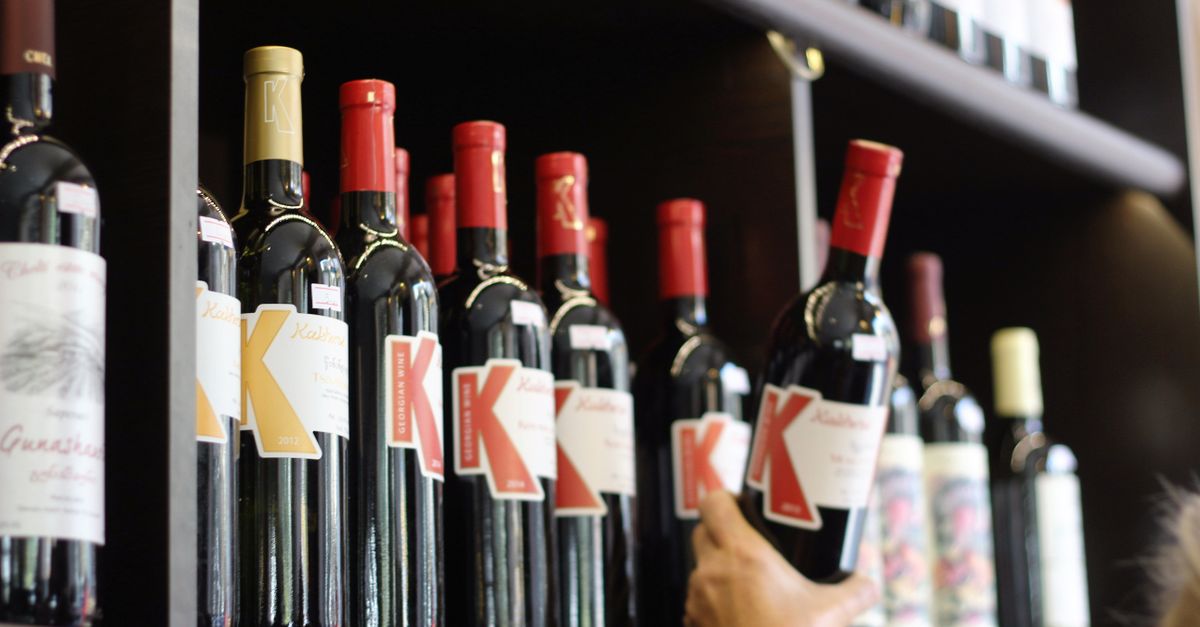
How to find a sweet red wine under $20
The most reliable move at this price point is Lambrusco Amabile — nearly always under $15, widely stocked, and unmistakably sweet rather than just fruit-forward. If the budget is tight and the goal is a red with perceptible residual sugar, that's where to start.
The key is reading past the marketing language on the label. Italian reds use legally defined terms: Amabile means medium-sweet. Dolce means fully sweet — no ambiguity, no interpretation required. These aren't branding choices; they're regulated designations tied to measurable sugar levels, which is what makes them so useful in a category otherwise stuffed with vague descriptors that could mean anything from "less tannic" to "we added fruit flavoring." A bottle marked Amabile will be sweet. Every time.
California sweet red blends fill the $10–18 shelf space in most grocery stores, usually labeled with "Dolce," "Sweet Collection," or something adjacent. Enormous category. The quality gap between two bottles sitting at identical price points is substantially wider than anything you'd encounter with Italian DOC wines, where regulated production standards do most of the sorting for you — a producer can't just decide their Lambrusco Amabile is medium-sweet; the designation requires it. Worth exploring if Lambrusco isn't available, but predictability isn't there.
Brachetto d'Acqui DOCG, the sparkling red covered earlier in this guide, typically runs $14–22. The $20 ceiling is a stretch. Sale pricing at wine shops and grocery chains brings it into range often enough to check, but it's not a reliable under-$20 find the way Lambrusco is.
⚠️ One label trap to sidestep: "smooth" and "mellow" describe texture, not sweetness. Winemakers apply these words to fully dry wines constantly. A wine can be soft and round, with that almost pillowy mid-palate that makes people call it easy-drinking, without containing any residual sugar whatsoever — the sensation comes from ripe tannins and careful oak use, not from sweetness. Look for Amabile, Dolce, or an explicit mention of residual sugar instead.
FAQ
What is the sweetest red wine you can buy?
Port wine — particularly Ruby and Tawny styles — sits at the extreme sweet end of the red wine spectrum, with residual sugar levels that can exceed 100 grams per liter, producing something almost syrupy in texture, threaded through with dried fruit, chocolate, and nuts. Brachetto d'Acqui runs close. It offers a fizzy, strawberry-scented sweetness that is more delicate but still unmistakably dessert-level — and both wines arrive at that intensity by design, not by accident or poor winemaking.
Is Moscato a red wine?
Moscato is almost always white or pink — the classic Moscato d'Asti is a pale, lightly sparkling white, and Rosé Moscato is the most common pink variation, stocked far more widely than any red version. A red Moscato does exist. It is typically made from dark-skinned Muscat grapes, though it remains uncommon enough that most retailers do not carry it, and if a bottle is simply labeled "Moscato" without further description, you should assume it is white.
What red wine has the most residual sugar?
Vintage Port and late-bottled Vintage Port consistently register among the highest residual sugar levels of any red wine. Often they fall between 90 and 120 grams per liter — a range that dwarfs anything you will find in a still table wine — and Ruby Port from large producers such as Sandeman or Graham's will routinely outsugar any still red by a factor of ten or more. No still table wine, Merlot or Shiraz or otherwise, comes close.
Can sweet red wine be used for cooking?
Sweet red wine works well in certain applications — braised short ribs, reduction sauces, and poached fruit especially — though the sugar concentration means the finished dish will taste noticeably richer and darker than the same recipe made with a dry red. Port is common in pan sauces precisely because its sweetness balances acidity in a reduction without needing extra sugar added separately. Lambrusco Amabile is less predictable: the bubbles vanish immediately, leaving a thin, mildly sweet base that does not always carry enough body to anchor a sauce — which makes it a riskier choice than its pleasant drinking character might suggest.
Does chilling a red wine make it taste sweeter?
Cold temperatures suppress sweetness perception slightly, because chilling dulls aroma compounds — and much of what registers as "sweet" in wine arrives through smell. What chilling reliably does is reduce the prominence of alcohol, which can make a wine feel less hot and more refreshing, sometimes creating an indirect impression of better balance. Sweet reds like Lambrusco or Brachetto d'Acqui are conventionally served cool, around 55°F / 13°C, and that temperature does improve the overall experience — even though the measurable residual sugar stays exactly the same.
Which sweet red wine to buy and where to start
Port and Brachetto d'Acqui are the definitive answer if the goal is the sweetest red wine available. Port can exceed 100 grams of residual sugar per liter and is sold in virtually every wine shop and supermarket with a decent selection; Brachetto d'Acqui is harder to find outside specialty retailers but delivers a more fragrant, lighter version of that dessert-level sweetness. Either will settle the question of how sweet a red wine can actually get.
That said, Port is not a natural starting point for someone who has mostly drunk dry reds and is curious about the sweeter end of the spectrum. Fortification — spirits added during fermentation — pushes the alcohol to around 20%, changes the texture dramatically, and shifts the flavor profile toward raisins, toffee, and walnuts, which is a significant jump from a glass of Merlot. Worth understanding before you open the bottle.
Lambrusco Amabile sits at a far more approachable entry point. Bottles routinely come in under $15, the fizz keeps it from feeling heavy, and the fruit-forward sweetness — think fresh blackberry rather than dried fig — is easy to calibrate against wines you already know. Low-stakes enough to buy, dislike, and discard without much regret, which matters when you are still mapping your own palate.
The practical next step: pick up a bottle of Lambrusco Amabile from the sparkling wine section (not the still red section — it is often shelved separately), and read the label before you buy. "Amabile" signals medium-sweet; "Dolce" signals sweeter still. If you want to cross-check residual sugar against other options, a nutrition-focused database like Vivino's label data or the USDA FoodData Central can give you a rough comparison — not always precise, but useful enough to understand the gap between a 20 g/L Lambrusco and a 100 g/L Port before you commit to either.