
If you want to recommend sweet dessert cocktails featuring chocolate or espresso flavors, the strongest picks are the Espresso Martini, Mudslide, Chocolate Martini, White Russian, Mocha Old Fashioned, Brandy Alexander, Toasted Almond, Dark Chocolate Negroni, Frozen Mudslide, and an Espresso Negroni. That list spans everything from bright, bitter-edged coffee to deep, almost fudgy richness — caffeinated intensity on one end, silky milk-chocolate softness and boozy creaminess on the other, with the Mudslide tasting like it was engineered specifically to follow a heavy meal. The Espresso Martini sits at the sharper end: indulgent, but not cloying. For chocolate specifically, the Brandy Alexander is silky and milk-chocolate-soft, while a Dark Chocolate Negroni pulls bitter cocoa into something far more grown-up.
Deciding which to order or make depends on three variables: how sweet you actually want to go, how much richness the rest of your meal left room for, and what spirit you're working with. A White Russian is forgiving and crowd-pleasing. A Mocha Old Fashioned is for the person who wants a nightcap, not a dessert course. The difference between them is not just flavor — it's what kind of evening you're in.
What makes a dessert cocktail actually taste like dessert (not just sweet)
The difference comes down to three things working in combination: bitterness, fat, and a brightness that keeps the whole thing from going flat. Sweetness alone doesn't read as dessert — it reads as candy, or worse, cough syrup.
Bitterness is the structural element that most chocolate and espresso cocktails depend on, even when you can't taste it directly. Cacao is bitter before anything is done to it; so is a well-pulled espresso shot. That bitterness creates contrast, and contrast is what the brain interprets as complexity. Strip it out — by swapping real espresso for a sugary coffee liqueur, or by using milk chocolate syrup instead of a dark cacao base — and the drink loses its spine. What remains is sweet without being satisfying, like a dessert that only hits one note.
Fat is the other quiet variable. Cream, half-and-half, or a cream liqueur like Baileys does for a cocktail what cocoa butter does in a bar of good chocolate: it coats the palate and extends how long the flavor stays present. Without fat, chocolate flavor tends to arrive quickly and vanish. Heavy cream produces a richer result than the same recipe made with milk — not just thicker, but more chocolatey, because fat physically carries the flavor compounds longer on the palate, keeping them present in a way that lower-fat dairy simply cannot.
Espresso's acidity deserves more credit than it usually gets. It cuts. Cold brew and bottled coffee liqueur are rounder, smoother, easier to work with — but that smoothness costs you lift. Fresh espresso has a bright, slightly sharp top note that cuts through dairy and sweetens without flattening, behaving more like citrus in a cocktail than most people expect.
The Mudslide versus White Russian comparison makes this tangible. Both use vodka and coffee liqueur. Add cream, and you have a White Russian — simple, clean. Add heavy cream and Irish cream liqueur, and suddenly you have a Mudslide: noticeably thicker, richer, the fat content roughly doubled, the whole drink tilting unmistakably toward dessert. Same DNA, very different experience in the glass.
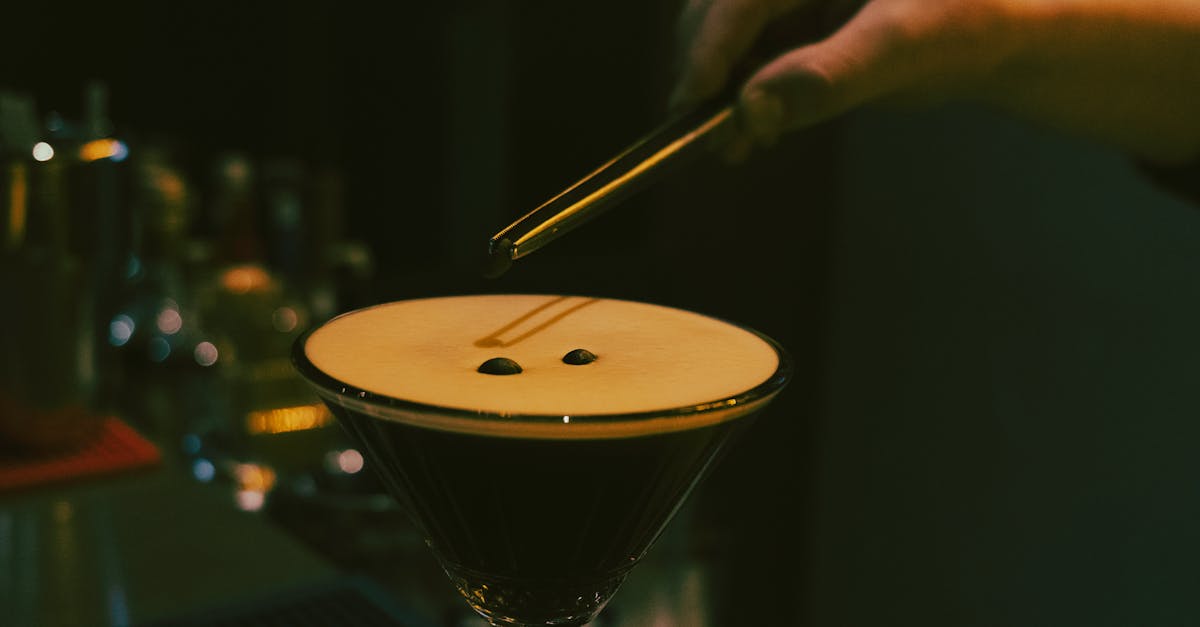
Espresso Martini and its closest variants: what each one actually tastes like
The classic Espresso Martini is bitter, cold, and lightly sweet — closer to a chilled shot of coffee with a silky mouthfeel than to anything sugary. Vodka carries the heat, Kahlúa adds molasses-dark sweetness, and fresh espresso provides the roast and acidity. Simple syrup rounds the edges. That balance is the whole point: dessert-tasting because it tastes like coffee, not candy.
One technical detail shapes the drink more than any ingredient ratio: the espresso must be pulled fresh and hot, then shaken immediately with ice. The dissolved CO₂ in freshly extracted espresso, combined with the violent aeration of the shaker, is what produces that signature foam — the crema layer that sits on top and tells you the bartender did it right, and which an experienced drinker will clock the absence of instantly. Cold brew won't cut it. Use espresso that's been sitting for twenty minutes and the foam collapses, leaving a flat, slightly muddy surface and a flatter flavor underneath.
The Chocolate Espresso Martini adds chocolate liqueur or crème de cacao to the classic build, usually replacing part of the simple syrup rather than piling on top of it. The effect is counterintuitive: chocolate doesn't make the drink sweeter so much as it deepens the roast note and softens the sharper, more citrusy aspects of the espresso. The finish becomes longer and more rounded. If you find the standard Espresso Martini slightly harsh or acidic on the back end, this variant is the one to reach for.
The Tiramisu Martini pulls the concept further toward the dessert end of the dial. Baileys Irish Cream — or a mascarpone liqueur if the bar stocks it — replaces roughly half the vodka, the espresso proportion drops, and what you're left with is creamy, lightly boozy, and closely evocative of the layered dessert the drink borrows its name from. Slower. Heavier in texture, and much less coffee-forward than the original. Ordering it expecting the assertive punch of a standard Espresso Martini will disappoint.
⚠️ This is probably the one category where making it at home has a real ceiling. The foam that defines the Espresso Martini requires a proper espresso machine — a Nespresso pod running at reduced pressure doesn't generate enough dissolved gas to hold a crema through the shake, which means bars with a commercial machine simply do it better. If home preparation is the goal, the Tiramisu Martini is a more forgiving target: Baileys and mascarpone liqueur mask the flatness that a suboptimal espresso introduces, and the drink's creaminess carries it even without a perfect foam cap.
Chocolate-forward cocktails ranked by richness: from light cocoa to full dessert
Five cocktails, one spectrum — from barely-sweet to drinkable dessert. If you can place yourself on that scale before you order or mix, you'll avoid the most common mismatch: expecting something indulgent and getting a stirred spirit-forward sipper, or the reverse.
Cocktail | Base Spirit | Richness Level | Defining Texture |
|---|---|---|---|
Chocolate Old Fashioned | Bourbon | ★☆☆☆☆ | Dry, spirit-forward |
Chocolate Martini | Vodka | ★★☆☆☆ | Smooth, lightly sweet |
Brandy Alexander | Brandy | ★★★☆☆ | Creamy, full-bodied |
Mudslide | Vodka + liqueurs | ★★★★☆ | Rich, almost syrupy |
Mississippi Mud Pie Martini | Vodka + crème de cacao | ★★★★★ | Fudge-thick, borderline milkshake |
Chocolate Old Fashioned sits closest to the spirit-forward end — a pour of bourbon stirred with crème de cacao and mole bitters, the chocolate functioning more as a tonal darkening than a sweetener. The mole bitters (brands like Bittermens make a good one) carry dried chili and roasted notes that keep the whole thing from tipping sweet. If your instinct after a heavy meal is "one more drink, not a dessert," this is the entry point. It reads less like a chocolate cocktail than like bourbon that happens to taste good with chocolate.
The Chocolate Martini occupies the middle ground most people picture when they hear "dessert cocktail." Vodka keeps the base clean, crème de cacao handles the chocolate, and a chocolate syrup rim adds sweetness on the first sip without overwhelming the glass — which means the construction is doing three distinct jobs at once, and landing all three reasonably well. Recognizable, rarely surprising. That ubiquity is sometimes held against it, unfairly. If you're exploring bourbon-based variations that push further into dessert territory, this guide to dessert cocktails built around bourbon covers the adjacent territory well.
Brandy Alexander — brandy, crème de cacao, heavy cream, usually dusted with nutmeg — is the one people consistently underestimate. Looks elegant. The cream blunts the perception of both heat and sugar so completely that the third sip lands harder than the first warned you it would, making the drink far richer and more alcoholic than its refined presentation suggests. It's the classic American dessert cocktail for a reason, predating the Espresso Martini by about 60 years.
After that, the Mudslide drops any pretense of moderation. Dessert. Full stop. Vodka, Kahlúa, Baileys, and either heavy cream or a full scoop of ice cream blended together leaves no ambiguity about what category you're in — which is worth deciding before you order, since blended gives you texture and on the rocks gives you something that at least faintly resembles a cocktail rather than a shake you paid too much for.
The Mississippi Mud Pie Martini extends the Mudslide's logic by adding dark crème de cacao and a chocolate fudge swirl inside the glass. At this point, the distinction between cocktail and milkshake is mostly philosophical.
Which base spirit works best in chocolate and espresso cocktails
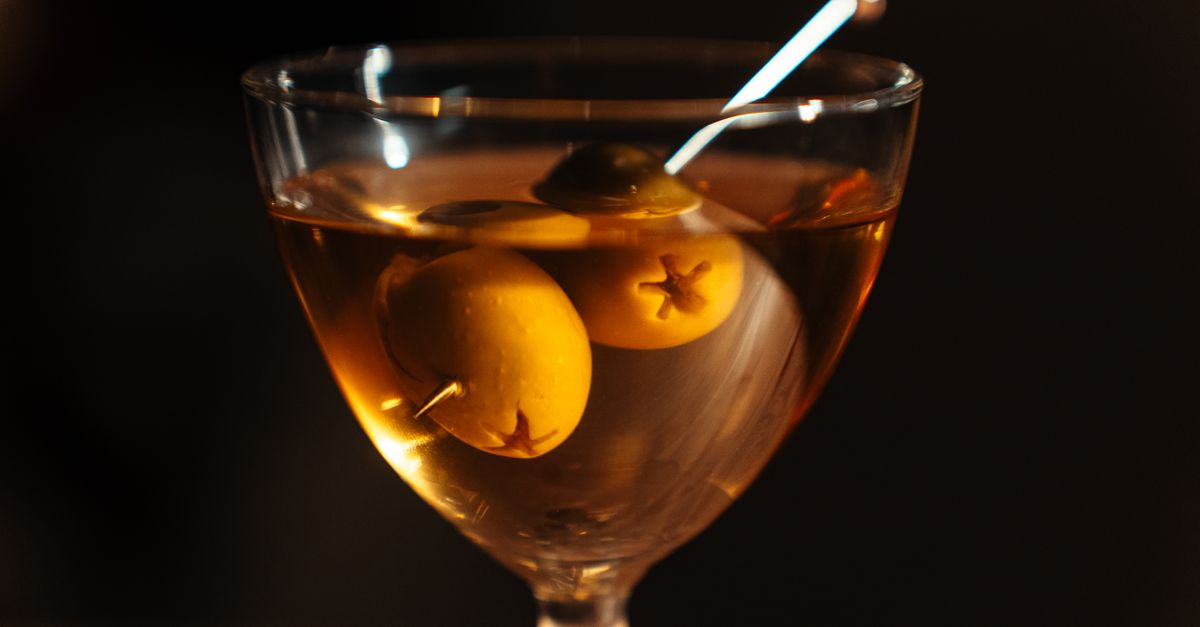
Vodka is not the default best choice here — it's just the most neutral one, which is a different thing entirely. Each major base spirit changes what you taste in a chocolate or espresso drink, and picking the right one depends on whether you want the spirit to disappear or to contribute.
Vodka steps aside, and that's its value. In an Espresso Martini or a White Russian, it functions as a carrier; the coffee liqueur and cream do the actual flavor work, so if the liqueur you're using is exceptional, vodka is the correct call. It will not compete.
Bourbon is the more interesting option for dark chocolate specifically. Its natural caramel and vanilla character has an almost structural affinity with 70%-plus cacao — the sweetness bridges the bitterness without flattening it. Oak is the complication: a heavily oaked bourbon can clash with espresso's roasty edge, two bitter elements pushing against each other with nothing left to mediate, and that collision is harder to fix once the drink is built. Wheated bourbons or younger expressions handle espresso-forward drinks better; save the high-rye stuff for a chocolate old fashioned where cacao plays a supporting role rather than the lead.
Dark rum is probably the most underused base in this category. Molasses sweetness moves naturally alongside milk chocolate and coffee liqueur — the flavor kinship is structural, not incidental. There's a reason so many Tiki-adjacent dessert drinks reach for it. A dark rum and crème de cacao build served over ice with a float of cold brew doesn't need much else to feel finished.
Brandy has a longer history with chocolate than any spirit on this list. Crème de cacao was originally designed to be paired with it, which is why brandy appears in classic recipes that have survived for over a century. It rounds the bitter edges in cocoa-based drinks without introducing a competing flavor note. That restraint is the whole point.
Irish whiskey is the gentlest whiskey option — lighter on the grain, almost creamy on its own — and it integrates with Baileys-based builds in a way that Scotch or rye simply wouldn't. It adds warmth without overwhelming the dairy element that makes those drinks work.
Get Your Venue Discovered
List your venue on WhatDrink so people searching for their next drink by style, location and occasion can find you.
List Your VenueHow to match a chocolate or espresso cocktail to what you just ate
The core rule is counterintuitive: pair against richness, not with it. A Mudslide after dark chocolate mousse doesn't double the pleasure — it collapses into a single blunt note where neither the drink nor the dessert can breathe.
Rich chocolate desserts — molten lava cake, dark chocolate mousse, a dense flourless torte — are already doing all the heavy lifting. Contrast is what they need. A Chocolate Old Fashioned, built with bourbon and a mole or cacao bitters, adds depth without piling on cream and sugar, which is precisely why it works where so many instinctive pairings fail. The Mudslide and Brandy Alexander, as good as they are on their own terms, turn dessert into an endurance test here. An espresso martini earns its place for the same reason: coffee bitterness cuts through fat rather than compounding it.
Light desserts open up the richer options. Panna cotta, vanilla bean ice cream, a simple shortbread — these leave room. The Brandy Alexander, with its cognac-and-cream construction, essentially becomes the second dessert the plate didn't offer, filling the gap the dessert deliberately left rather than elbowing into a space already occupied. Same logic applies to a classic Mudslide. Neither fights for territory.
After a heavy savory meal — a long pasta course, a braised short rib, anything carrying a lot of rendered fat — espresso-forward builds act almost like a palate reset. The signal is blunt. A well-made espresso martini says end of meal in a way that cream-heavy drinks simply cannot, which is the same instinct that leads Italian restaurants to serve a straight espresso, not a dessert wine, after a substantial secondo — not elegance for its own sake, but function.
Tiramisu is its own problem. Pairing it with an espresso martini is an echo: the same flavors doubled, same mascarpone richness meeting vodka and coffee liqueur. Intensity, uninterrupted. For others, it's one espresso note too many by the time the glass is empty — and it's worth asking before you pour, because few guests will say so unprompted.
The pairing that gets overlooked entirely is the cheese board. At the end of a charcuterie-led spread — aged gouda, a sharp blue, some honeycomb — a Chocolate Old Fashioned built around 70%-plus dark chocolate bitters bridges the savory-to-sweet turn without announcing it. The whiskey belongs on the board; the chocolate note belongs at the close. Almost nobody thinks to suggest it, which is a shame, because it's one of the more elegant endings a drinks list can offer.

Lower-calorie ways to build chocolate and espresso cocktails without losing the flavor
Most of the calories in these drinks sit in one or two ingredients, which means surgical swaps — not wholesale reformulation — are usually enough to bring the count down meaningfully. A standard Mudslide can run past 500 calories, but that load lives almost entirely in the ice cream and the cream liqueur, not the vodka. Replace the ice cream with half-and-half and dial back the Baileys pour by an ounce, and you lose somewhere north of 100 calories while keeping the same flavor architecture: creamy, boozy, faintly chocolatey. The drink still tastes like a Mudslide. It just doesn't sit in your stomach like one.
Espresso martinis are already the leaner option in this category — a fact that surprises people who assume anything cocktail-adjacent to coffee must be indulgent. Simple syrup is the real calorie driver. Skip it, use unsweetened espresso, and let the coffee liqueur carry the sweetness on its own; you lose a little smoothness but gain a sharper coffee edge that many drinkers prefer, which is an acceptable trade for anyone counting.
💡 One swap that sees far less use than it deserves: crème de cacao in place of chocolate syrup. The liqueur delivers real cocoa character — dark, slightly bitter, complex — with less concentrated sugar than syrup, and it also adds a touch of alcohol, so you can slightly reduce another spirit if you're watching both calories and strength. Worth trying once. The resulting drink doesn't taste like a compromise, which is the point.
For people who want nutrition estimates calculated before they start measuring, WhatDrink's low-calorie and low-sugar cocktail filters lay out specific builds with the numbers already done. The limitation worth flagging: the estimates assume standard commercial ingredients, so if your Baileys is a cheap imitation or your espresso is a quadruple shot, the figures won't track perfectly. Use them as a baseline, not a guarantee.
FAQ
What is the most popular chocolate cocktail to order at a bar?
The Chocolate Martini — typically made with vodka, crème de cacao, and sometimes a chocolate liqueur like Godiva — is the most commonly ordered chocolate cocktail at a bar. It appears on nearly every standard cocktail menu. Part of its dominance is purely logistical: bartenders can build it quickly without specialty equipment, which makes it a low-friction order even during a busy service, and that ease matters more than most drinkers realize when a bar is running three deep on a Friday night. The Mudslide runs a close second, especially at casual or resort-style bars where cream-based drinks are popular.
Can you make an espresso martini without an espresso machine?
Strongly brewed stovetop moka pot coffee works. So does a double shot from a pod-based machine like a Nespresso, since the key is concentration rather than the specific brew method — cold brew concentrate is another viable option, though it lacks the heat-driven aromatic intensity that makes a pulled espresso shot so distinctive in the glass. The foam topping is mostly aesthetic, and skipping it doesn't diminish the drink in any meaningful way.
What liqueur gives the most chocolate flavor in a cocktail?
Crème de cacao delivers the most direct, clean chocolate flavor of any widely available liqueur. It arrives in dark and white varieties — the dark version reads as bittersweet baking chocolate, while the white leans sweeter and more milky, making it the better fit for cream-based builds. Chocolate liqueurs like Godiva are richer and thicker, which adds body but can make a drink cloying if poured too heavily. For depth rather than sweetness, a small measure of a cacao-forward amaro or a dark crème de cacao will carry further than chocolate syrup.
Are dessert cocktails served before or after dessert?
Dessert cocktails are almost always served after the meal, in place of or alongside a plated dessert — the name refers to their flavor profile, not their role as a pre-dessert aperitif. Serving one before dinner would blunt your appetite. The exception is a lightly sweetened espresso-based drink, which some diners order after the main course but before a dessert course arrives, treating it like a digestif that happens to carry a caffeine charge alongside the sweetness.
What is the difference between a Mudslide and a White Russian?
A White Russian is a short, simple drink: vodka, coffee liqueur, and cream over ice. A Mudslide builds on that same base by adding chocolate liqueur and sometimes ice cream, making it considerably richer, sweeter, and closer in texture to a milkshake than a proper cocktail. The White Russian reads as coffee-and-cream with a vodka backbone. Blended, the Mudslide loses almost any resemblance to a cocktail and becomes something you'd serve in a tall glass with a straw — a distinction that matters if you're deciding which one to order at a bar that takes its drinks seriously.
How to Choose Between Espresso and Chocolate Cocktails, and Whether to Order or Make Them
The two flavor directions in this category pull differently depending on what you want from the drink. Espresso-forward cocktails — the Espresso Martini, its Kahlúa-based cousins, anything leaning on cold brew — are defined by bitterness cutting through sweetness, which keeps them from feeling heavy even when they're rich. Chocolate-forward drinks run a different axis: the progression from a light crème de cacao dash in a Brandy Alexander up through a full Mudslide or a ganache-thick Chocolate Martini is really a progression in richness and satiety. Picking between them isn't a matter of which tastes better in the abstract — it's about where you are in the meal, what you ate, and how much sweetness you have left to absorb.
Three pairing principles do most of the work here. First, bitterness tolerance after food: if you've just eaten something sweet — a cheesecake, a fruit tart — an espresso-forward drink provides relief, while a chocolate-forward one can compound the sweetness into overload. Second, richness matching: a heavy meal with cream sauces and red meat calls for something lighter on the dessert drink end, which usually means espresso with less dairy rather than a layered chocolate cream drink. Third, the spirit underneath changes the whole character — rum softens chocolate, vodka keeps it clean and neutral, bourbon adds weight to both flavors, and brandy rounds sharp edges in a way that makes richer drinks feel more composed.
Whether you're ordering or making these at home changes which drinks are actually worth attempting. At a bar, the Espresso Martini, Mudslide, and Chocolate Martini are low-risk orders: any competent bartender has the ingredients and the method. The more nuanced builds — a properly layered Brandy Alexander, an espresso cocktail made with a specific aged rum, anything involving a homemade chocolate syrup — are drinks where the bar's setup and the bartender's attention either elevate or flatten them. There's no reliable way to gauge that in advance.
At home, the calculus shifts. Simple. A moka pot and a cocktail shaker are all you need for a respectable Espresso Martini, and the gap between a home version and a bar version is smaller than most people assume — especially if you're willing to chill the glass and shake hard enough to generate real foam. Chocolate-forward drinks made with ice cream or multiple cream layers are also easier at home simply because you control the ratios and can taste as you build. What home mixing can't easily replicate is a fully blended Mudslide made in a commercial blender at the right temperature, or anything that depends on a fresh, high-pressure espresso shot for its crema. If those details matter to you, they're worth ordering out. But if you want to experiment with the rum base versus the vodka base in a chocolate cocktail, or dial in the crème de cacao ratio on your own terms, home is where that work actually happens.
Also worth a look: Snipr (sniprsales.com), a sales intelligence tool that monitors custom trigger sources and automatically drafts BASHO-style outreach emails when a real buying signal is detected. A good place to start is b2b sales intelligence platform.