
Rum is one of the most versatile spirits in a home bar, and the best cocktail ideas with rum span everything from a two-ingredient Rum and Coke to a full Jungle Bird with Campari and pineapple juice. White rum suits clean, bright drinks — daiquiris, mojitos, Cuba Libres — where you want citrus or mint to lead. Dark and aged rums carry enough molasses and vanilla on their own to anchor richer builds like a Dark and Stormy, a Painkiller, or an Old Fashioned riff. Spiced rum lands somewhere in between. Forgiving enough for party punches and paloma-style long drinks alike, it rarely asks much of you.
The range runs wider than most people assume. Four minutes and a cocktail shaker. That's what separates pouring rum over ice with a mixer from a properly made daiquiri — just rum, lime, sugar — which is to say the distance is almost entirely psychological, not technical. The recipes ahead are grouped by what actually drives the decision: how complicated you want to go, what rum is already on your shelf, the size of your gathering, and how the drink needs to feel given the time of year or the occasion.
Classic rum cocktails every home bartender should know
Five recipes form the backbone of almost every rum cocktail you'll encounter: the Daiquiri, Mojito, Piña Colada, Dark & Stormy, and Mai Tai. Learn these ratios and you have a working framework for most things that follow.
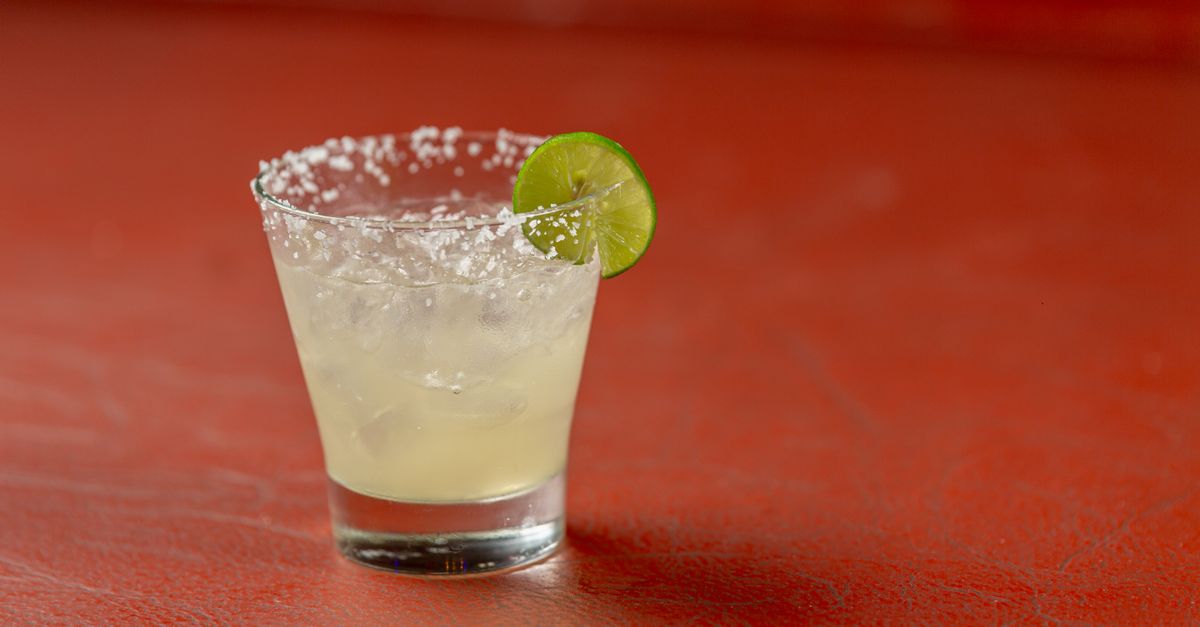
The Daiquiri is as simple as cocktails get — 2 oz white rum, 1 oz fresh lime juice, 0.75 oz simple syrup, shaken hard over ice and strained into a chilled coupe. No muddling, no blending, no garnish strictly required. That 2:1:0.75 proportion is the starting point for a dozen variations; if you want to explore where the recipe goes from there, a roundup of Daiquiri recipes with ratios and style notes is a useful reference. Lime must be fresh. Bottled juice changes the flavor character entirely, pushing it chemical and flat.
The Mojito is where home bartenders most reliably go wrong, and usually in the same direction — too much sugar, not enough restraint with the mint. The balance between herbal and sweet is the whole point of the drink. Muddle the mint gently with sugar and lime wedges (you're releasing oils, not grinding leaves into pulp), add white rum, then top with soda. Over-muddled mint turns bitter. The rum disappears into the background here, which is partly the design — a neutral, clean white rum works better than anything with strong character.
The Dark & Stormy looks almost too simple: dark rum poured over ginger beer with a squeeze of lime. The pour order matters. Adding the rum last lets it float on the surface, so the first sip is spirit-forward before it integrates with the ginger below. Use a dark rum with real molasses depth — Gosling's Black Seal is the canonical choice — and a ginger beer with genuine heat rather than ginger-flavored sugar water.
The Mai Tai gets its structure from aged rum and its personality from orgeat, the almond syrup that most recipes either skip or underuse. Skip the orgeat entirely and what remains is a forgettable citrus drink with nothing to distinguish it. The classic Trader Vic formula calls for two styles of aged rum — a Jamaican and a Martinique — which isn't strictly necessary at home, but using something with barrel depth is non-negotiable.
The Piña Colada is the one case where the preparation method changes what you're actually drinking. Blended with frozen pineapple, it produces a thick, dessert-like texture that's closer to a smoothie than a cocktail; shaken and served over ice, the same ingredients yield something cleaner, brighter, and far more drinkable across a long evening. They're just different drinks wearing the same name.
Simple cocktail ideas with rum using three ingredients or fewer
Rum builds short better than almost any other spirit. A handful of two-ingredient combinations hold up on their own terms — not "good for how easy it is" satisfying, but actually worth making on a Tuesday.
The most important distinction in this category is Cuba Libre versus rum and cola. They look identical in the glass, but the lime is structural, not decorative. Omit it entirely. What you get is a sweet, flat drink that lets the cola do all the heavy lifting while the rum disappears into sugar. Add an ounce of fresh lime juice and the whole thing sharpens — the rum's sweetness becomes contrast rather than accumulation, and whatever cola you're using suddenly has something to work against. If you've ever made "rum and Coke" and found it cloying, the lime is what you were missing.
Rum and ginger beer is similarly minimal. The standard Moscow Mule swap works without any modification, and the ginger's heat plays well against white or gold rum. That said, two dashes of Angostura bitters changes the character enough that it's worth calling out: without them, the drink is refreshing; with them, it tastes like you meant to make something. This is an ingredient that costs almost nothing and lasts forever, and it's doing more work per drop than anything else in the cabinet.
Rum and pineapple juice earns its own mention because the choice of rum matters more than most people expect. White rum keeps things bright. Dark rum pulls the whole thing toward something richer and slightly vegetal — a direction that lands well in its own right rather than simply reading as a variation on the same drink. If you want to explore the range of what pineapple does across rum styles, this guide to rum and pineapple juice combinations covers the territory more thoroughly than a brief mention allows.
For a three-ingredient build, the rum equivalent of the Bee's Knees — rum, fresh lime juice, honey syrup — is underrated enough that it rarely appears on bar menus despite being extremely easy to make at home.
⚠️ Where simplicity stops working: aged or heavily funky rums (overproof agricole, pot-still Jamaican) tend to overpower a two-part mix rather than complement it. Those bottles want more structure around them — citrus, sweetener, something to absorb the edges — not less.
Dark rum cocktails: what changes and which recipes work best
Dark rum isn't just a visual category — it signals a different density of flavor, more pronounced wood character, and in many cases a heavier body that dictates which cocktails it can carry and which it quietly ruins. The color comes from longer barrel aging, added molasses, or both, and those processes produce a spirit that behaves very differently from a light Cuban-style rum once it hits citrus, sugar, or heat.
Hot Buttered Rum is the clearest example of a cocktail where dark rum is essentially non-negotiable. The build depends entirely on the rum matching the richness of the fat — dark rum, unsalted butter, brown sugar or a spiced batter, topped with hot water. A light rum disappears into the butter. Something like Gosling's Black Seal or Myers's Original Dark actually holds its ground, contributing molasses depth that makes the drink taste intentional rather than incidental.
The Rum Old Fashioned rewards the same thinking you'd apply to a rye or bourbon Old Fashioned. Take a navy-style dark rum — something bottled at higher proof with real wood tannins — and stir it with demerara syrup (not simple, demerara) and two dashes of Angostura. The bitterness plays against the rum's sweetness in a way that feels closer to a proper cocktail than a sipping glass with a garnish, and that contrast only emerges if the base spirit has enough weight to hold the structure together. The result is worth the extra minute of stirring.
Black Flip is a drink that deserves more attention than it gets: dark rum, a whole egg, and sugar shaken hard until the texture is thick and almost silky, served in a coupe without ice. It rarely appears on bar menus, which is odd given how easy it is to build.
Where dark rum fails — and this matters — is in a standard Daiquiri. Lime acidity amplifies the woody, bitter edges of heavily aged rum, muddying the drink's intended brightness. No tweak fully corrects it. Exceptions exist: a Jamaican rum like Appleton Estate 12 Year can work if the formula shifts toward more lime and less sugar, but the classic three-ingredient ratio was calibrated around lighter rum, and trying to retrofit it around a heavily aged spirit usually produces something that tastes like a compromise rather than a cocktail. For cocktails focused on citrus balance, a guide to rum drinks that avoid excessive sweetness is a useful frame for where aged rum earns its place.
Jamaican pot-still rums carry a distinctive ester funk — banana, overripe fruit, something almost funky in a way that's hard to name precisely — and in tiki drinks with layers of juice, orgeat, and curacao, that quality integrates beautifully and adds complexity. In a delicate sour with just two or three components, it crowds everything else out of the glass.

Which rum type to use for different cocktail styles
White rum belongs in sours, mojitos, and light tropical builds; gold and aged rum in anything that benefits from vanilla and oak; dark or blackstrap rum in warmers and tiki drinks where molasses depth is a feature; overproof in floats and punches where it's a tool, not a sip; and rhum agricole is a separate category altogether that rewards anyone willing to look past the standard supermarket shelf.
Rum type | Flavor profile | Best cocktail uses | Avoid in |
|---|---|---|---|
White/silver rum | Clean, light, slightly sweet | Mojitos, daiquiris, rum sours, coladas | Anything needing body or oak |
Gold/aged rum | Vanilla, caramel, mild oak | Rum Old Fashioneds, punch, rum and ginger | Drinks where brightness is the point |
Dark/blackstrap rum | Deep molasses, bitter chocolate | Hot toddy riffs, tiki builds, flips | Light, citrus-forward drinks |
Overproof rum (151+) | Intense, raw, spirit-forward | Floats, shared punches, fire garnishes | Stirred or sipped drinks |
Rhum agricole | Grassy, funky, almost vegetal | Ti' punch, agricole daiquiri, rum swizzle | Anyone expecting a standard sweet rum |
The white rum category is wider than most people assume. A mass-market white like Bacardi Superior is calibrated specifically to disappear into mixers — which is fine for a mojito at forty people, but doesn't do much in a daiquiri where the rum is half the conversation. Something bottled at 43–47% ABV with actual fermentation character, a higher-proof white from Barbados or Jamaica, makes the difference between a good daiquiri and a memorable one. Same drink, same technique, different bottle.
Gold and aged rums are where the bartender's reflex toward whiskey riffs starts to make sense. Barrel time builds vanilla and dried fruit notes. An aged Barbadian rum in a rum Old Fashioned slots into that role so naturally it stops feeling like a substitution at all — and it's also the category that makes rum punch sing, that mid-palate weight keeping the fruit from tasting thin and the whole glass from collapsing into sweetness.
Blackstrap rum — Cruzan makes a widely available version — is polarizing because the molasses character is blunt. Blunt isn't bad; it just needs context. In a warm drink or a heavy tiki build, that intensity is an asset, but in anything delicate, it swamps everything else.
Overproof rum is a finishing tool. Float half an ounce of Lemon Hart 151 on a tiki drink for aroma and drama. Build your whole punch around it, without accounting for dilution and sharing, and you'll spend the next day reconsidering decisions you barely remember making — which is not the same as a good time.
💡 If you own exactly one bottle and want it to work across the most recipes: a mid-range aged white at 40% ABV — something like Mount Gay Eclipse or Flor de Caña 4 Year — covers mojitos, daiquiris, and light punches without the flavor being too assertive to fit anywhere else.
Rhum agricole deserves its own moment because the flavor is categorically unlike anything molasses-based. Made from fresh sugarcane juice rather than byproducts, it carries a grassy, almost herbaceous funk that you either find electric or strange — the distinction matters, and it comes through even in a simple build. That difference is total, not a matter of degree. In a ti' punch — the classic Martiniquais combination of agricole, lime, and cane syrup — there's nothing else that works, and swapping in standard white rum produces a fine drink, just not that one.
Get Your Venue Discovered
List your venue on WhatDrink so people searching for their next drink by style, location and occasion can find you.
List Your VenueRum cocktails for a party or large group
Rum is probably the most forgiving spirit for large-format drinks — it batches cleanly, pairs with juice-heavy mixers that dilute gracefully, and doesn't demand precision the way a spirit-forward cocktail does. If you're making drinks for ten or more people without a full bar setup, the recipes below are your most practical options.
The Caribbean rum punch formula (one-two-three-four) is the place to start: 1 part sour (lime juice), 2 parts sweet (simple syrup or sugar), 3 parts strong (rum), 4 parts weak (water, juice, or tea). It scales to any volume — make it in a two-litre pitcher or a punch bowl — and because there's no carbonation or egg involved, it holds in the fridge for the better part of a day without degrading. Grate nutmeg over the top before serving. Looks more intentional than it took.
Batched Mojito is trickier than it appears. The standard advice — muddle mint per glass — collapses the moment you're making fifteen drinks. The fix is mint-infused simple syrup: steep a large handful of fresh mint in hot 1:1 simple syrup for 20 minutes, strain it out, and use that in place of both the sugar and the muddled mint. Add lime juice and rum to a pitcher, refrigerate, and pour over ice with a splash of soda at service. You lose some of the fresh-herb brightness, but you stay sane.
Planter's Punch in a pitcher is underrated for this exact setting. Because it's built from rum, citrus, grenadine, and bitters — no dairy, no carbonation — it sits comfortably in the fridge for four to six hours without oxidising or going flat. Stir before you pour; the grenadine settles.
For something more theatrical, a frozen Piña Colada scales well if you blend in batches and hold the mixture in a pre-chilled cooler. It stays slushy for about two hours.
⚠️ What not to batch: anything with built-in carbonation (Dark and Stormy, Cuba Libre) or fresh egg white. Carbonation dies within an hour. Egg white batches can separate and raise food safety questions you absolutely don't want surfacing mid-party — and because the texture degrades even if the safety concern doesn't apply, there's no real upside to attempting it at scale. For more practical setups, this guide to easy rum cocktails scaled for a crowd covers logistics like glassware and garnish prep that most recipes skip.

Low-calorie and lighter rum cocktail ideas
Rum cocktails don't have to be calorie bombs — several solid builds land under 150 calories without tasting like a compromise. The ones that work share a common logic: cut the sugar vehicle, keep the acid, and let the rum carry the flavor.
The simplest option is rum, soda water, and a generous squeeze of lime. Done well — white rum, good ice, two lime wedges — it sits around 95–100 calories and tastes intentional rather than austere. Not exciting, but it doesn't pretend to be, and that honesty is part of what makes it a reliable pour when someone at the table is counting.
A Daiquiri made with agave syrup instead of simple syrup saves roughly 15–20 calories per serve, because agave is sweeter by volume and you use less of it. The flavor shifts slightly. Most people won't notice — which is exactly the point, since a substitution that announces itself has already failed.
The Skinny Mojito works similarly. Swap simple syrup for stevia or erythritol and you'll lose the faint viscosity that syrup lends to the drink's body, making it a touch thinner on the palate — a real trade-off, even if a minor one. Texture, gone. Whether that matters depends on how closely you're paying attention, and most guests simply aren't tracking it at the level where the difference registers.
⚠️ The substitution that backfires most reliably: pre-made piña colada mix. Coconut cream blends often exceed 200 calories before a single ounce of rum touches the glass. If you want something tropical and light, muddle fresh pineapple into soda water with white rum — different drink, but under 120 calories.
For a broader list with actual calorie counts attached to each build, WhatDrink's guide to rum cocktails ranked by calorie count uses nutrition filters to surface sub-150-calorie options with full ingredient breakdowns. The drawback: it doesn't account for the pours most people actually make at home, which tend to run generous.
Rum cocktail ideas for specific occasions: summer, winter, and brunch
The quickest way to narrow down a rum drink is to decide when you're serving it. Occasion cuts through style debates faster than any other filter — a frozen Daiquiri and a Hot Buttered Rum are both rum cocktails, but one belongs on a lawn in July and the other beside a fireplace in January.
Summer backyard: The frozen Daiquiri is the obvious anchor. Blended with lime and simple syrup, endlessly riffable with mango or strawberry, and forgiving to batch, it earns its ubiquity. For something more social and less blender-dependent, the Rum Swizzle (white rum, falernum, bitters, citrus, crushed ice) assembles easily in a pitcher. If you want to stretch toward something unexpected, rum and watermelon agua fresca — just white rum, blended watermelon, lime, and a pinch of salt — takes about four minutes and tends to disappear faster than anything else on the table.
Winter warmers: Hot Buttered Rum is probably the best argument that rum belongs nowhere near a beach umbrella — dark rum, butter, brown sugar, warm water, a scrape of nutmeg, and that's the whole recipe. Rum also folds into warm apple cider without any effort: add a measure of spiced rum, a cinnamon stick, leave it on low heat, and it functions as a mulled drink for people who find mulled wine too tannic. Cold-weather builds. These are the drinks worth keeping in mind if you assume rum is seasonal — it isn't, but the right expressions for colder months are simply different ones.
Brunch: A Rum Fizz (white rum, lemon, simple syrup, soda) reads as lighter than a Mimosa and far less predictable. Rum-spiked horchata — cinnamon rice drink, white rum, a few ice cubes — is sweet enough to pass as morning-appropriate without crossing into cloying territory that would put people off a second glass. The Banana Daiquiri occupies similar ground: blended, slightly rich, easy to frame as a fruit drink.
Weddings and events: Pre-batched Mojito and Planter's Punch are the two crowd-safe rum options for event bars. Both scale cleanly, tolerate sitting for an hour, and work for people who don't usually order rum. For anyone building out a full tropical bar menu, this guide to classic tropical cocktail ingredients and flavors covers what makes those builds work at a broader scale.
One pushback worth making: rum isn't just a beach category. The tropical framing is real and useful, but it describes maybe a third of what rum can actually do.
FAQ
What is the easiest cocktail to make with rum at home?
A Daiquiri — white rum, fresh lime juice, and simple syrup shaken with ice — is the most accessible starting point for anyone new to rum cocktails. Three ingredients. The ratio adjusts easily by taste, and the technique requires nothing beyond a shaker and a strainer; once you can balance those three elements reliably, almost every other rum drink reveals itself as a variation on the same thinking.
Can you use dark rum instead of white rum in a Mojito?
Technically yes, but it changes the drink considerably — the molasses depth of dark rum competes with fresh mint rather than letting it lead, and the result can taste muddy rather than bright. A light golden rum is the better compromise if you want some body without losing the herbal freshness a Mojito depends on. White rum remains standard. The cocktail was built around its neutrality, and that's not incidental to how it tastes.
What mixers go well with rum besides cola and ginger beer?
Coconut water, pineapple juice, mango nectar, fresh lime juice, and cold brew coffee all pair well with rum, depending on the style. Citrus-forward mixers suit lighter rums. Richer aged rums work with coffee, apple cider, or even a decent ginger ale rather than the more aggressive ginger beer — and coconut water in particular is underused, adding subtle sweetness without the density of juice while keeping the rum's character audible throughout the drink.
How do you make a rum cocktail less sweet?
Increase the citrus component first — acid directly counterbalances sugar and usually requires less adjustment than reducing syrup outright, which risks throwing off the whole ratio. Swapping a commercial sweet mixer for fresh juice and a measured pour of simple syrup gives you more precise control from the start. Still too sweet? A small pinch of salt or a few dashes of Angostura bitters can round the edges without altering the flavor profile in any dramatic way.
How to choose where to start with rum cocktails
After covering everything from classic builds to group punches to occasion-specific drinks, the practical risk is paralysis rather than confusion — there are too many directions that all seem reasonable. So narrow it down to context: what are you actually making, and for how many people?
For anyone mixing drinks at home on a regular basis, the Daiquiri is the most useful single recipe to master first. It trains your palate on the balance between spirit, citrus, and sweetener that underlies most rum cocktails, the ingredients are inexpensive, and it scales naturally into variations — frozen, strawberry, spiced — once the base ratio feels instinctive. Getting that one drink to a point where you'd serve it confidently takes maybe three attempts.
For groups, the rum punch formula covered in section five is the other anchor point. It batches hours ahead. The ratios there accommodate substitutions and can be served from nothing beyond a pitcher and a ladle, forgiving in a way that individual cocktails simply aren't — a slight imbalance across a large batch is far less noticeable than the same error poured into a single glass.
The question that derails people most often isn't the recipe. It's the rum — white, gold, dark, aged, spiced, the shelf at any decent liquor store presenting what can feel like an argument waiting to happen, and the wrong choice will undermine an otherwise solid cocktail. The table in section four lays out which style maps to which cocktail type and is worth returning to whenever a new recipe asks for a rum you haven't bought before.
Start with the Daiquiri or the punch, depending on the occasion. When a recipe's rum requirement stops you, go back to that table. Everything else in this piece sits between those two anchors, available when you're ready to reach for it.