
Autumnal drinks cluster around a recognizable set of flavors: warm spice (cinnamon, clove, nutmeg, cardamom), apple and pear, maple, bitter citrus like bergamot or blood orange, and brown spirits — bourbon, rye, dark rum, aged brandy. The category is broader than most people assume. It spans mulled wines and hot toddies, pumpkin stouts and cider, non-alcoholic warmers like spiced apple shrubs and turmeric lattes, plus the full run of whiskey-forward cocktails that bartenders wheel out the moment temperatures drop.
🧠 By the numbers:
Pumpkin spice product sales topped $802 million in the U.S. in 2023, per Nielsen data, a figure that doesn't touch cider, mulled wine, or brown-spirit cocktails.
Hard cider volumes grow roughly 15–20% each autumn quarter compared to summer months, according to the Brewers Association.
Searches for "hot toddy" spike more than 300% between October and December relative to the summer baseline, per Google Trends.
What follows is 20 picks organized by mood and occasion — some built for a quiet evening at home with a saucepan and a bottle of rye, others worth knowing how to order at a bar without getting something generic. The non-alcoholic options get real treatment, not an afterthought.
What makes a drink autumnal — flavors, ingredients, and the logic behind them
Autumnal drinks share a recognizable flavor logic: warm spice, orchard fruit, bittersweet depth, and a preference for aged or barrel-rested bases over the clean, bright spirits of summer. Strip away the seasonal marketing and that's what you're left with — a cluster of compounds and ingredients that the palate reads as cooler, heavier, more grounding.
🧠 By the numbers
Cinnamon, clove, and nutmeg all contain volatile aromatic compounds (cinnamaldehyde, eugenol, safrole derivatives) that register as warm in the mouth — not literally, but through how they trigger trigeminal nerve receptors, the same mechanism as capsaicin at much lower intensity
Pumpkin spice products, which blend these same four spices, generated over $800 million in U.S. retail sales in 2023, per the National Retail Federation — so the market has already answered the question of whether these flavor associations are real
Global apple cider production climbs roughly 15–20% in Q3-Q4, tracking directly with harvest timing
Cinnamon, clove, nutmeg, and cardamom all amplify rather than clash with the char and vanilla already present in bourbon or aged rum — they're essentially rounding out what the barrel started. That's why an old fashioned with a cinnamon-spiced syrup works so naturally, while the same spice in a vodka drink tastes thin and arbitrary.
The orchard fruit axis runs parallel. Apple, pear, and quince share a tartness and aromatic richness that holds up in warm preparations and reads well against bitterness — which is why autumn is the season where amari, dark tea, and dry cider all feel appropriate in ways that a Campari-soda simply doesn't. Brightness reads as refreshing in July; in October, it reads as incomplete.
As the season tips into late fall, the palate logic doesn't change so much as extend. Cranberry and pomegranate bring a deeper tartness and a more pronounced tannic edge — fruits that push bittersweet further toward bitter — and drinks built around them tend to skew richer and more structured as a result.
Hot and warm autumnal drinks worth making at home
The four drinks below — hot toddy, mulled cider, mulled wine, spiked hot chocolate — are the practical core of any autumn drinks repertoire, and three of the four forgive improvisation almost entirely. The one that doesn't is the hot chocolate.
Hot toddy is the most flexible. The base spirit sets the character more than anything else: Scotch (particularly a blended malt like Dewar's) pulls the drink smoky and dry, which is useful if you're adding honey, since the sweetness has something to push against. Bourbon reads warmer, more vanilla-forward, and works better with lemon-heavy versions. Irish whiskey is the smoothest entry point — less assertive, which is either a virtue or a waste of good whiskey depending on your outlook. For a deeper look at how Dewar's Scotch behaves in warm mixed drinks, that breakdown covers the blending philosophy behind the spirit and why it holds up under heat. A basic toddy: 50ml spirit, 1 tsp honey, juice of half a lemon, topped with hot water. Done. Adjust the honey and lemon ratio to taste and stop worrying about it.
Mulled apple cider rewards a bit more attention. Dry cider as a base keeps the finished drink from becoming candy; sweet cider, unless you're pulling back on added sugar entirely, tends to cloy by the second mug. A workable spice approach: 2 cinnamon sticks, 4 cloves, 3 star anise, and an orange studded with a few more cloves, simmered for 20 minutes at low heat. The addition that most recipes skip — a 30ml slug of dark rum per serving, added at the end — adds a caramel depth that no spice blend quite replicates.
Mulled wine is genuinely forgiving of a cheap bottle. The spices and citrus do most of the structural work, which is why spending more than £8 on the wine is largely pointless. What goes wrong most often is the sugar: people add it early and keep tasting, then overshoot. Add half what you think you need, taste after 10 minutes of warming, and stop there.
⚠️ Spiked hot chocolate is where the category earns its bad reputation. Most versions use milk chocolate or commercial cocoa powder and then add sweetened spirits on top — the result is cloying in a way that kills the drink by the halfway point. Use a 70% dark chocolate (roughly 30g per serving, melted into hot whole milk), add your spirit before any sweetener, and sweeten only at the end. A measure of aged rum or mezcal works better here than the instinctive reach for Irish cream.
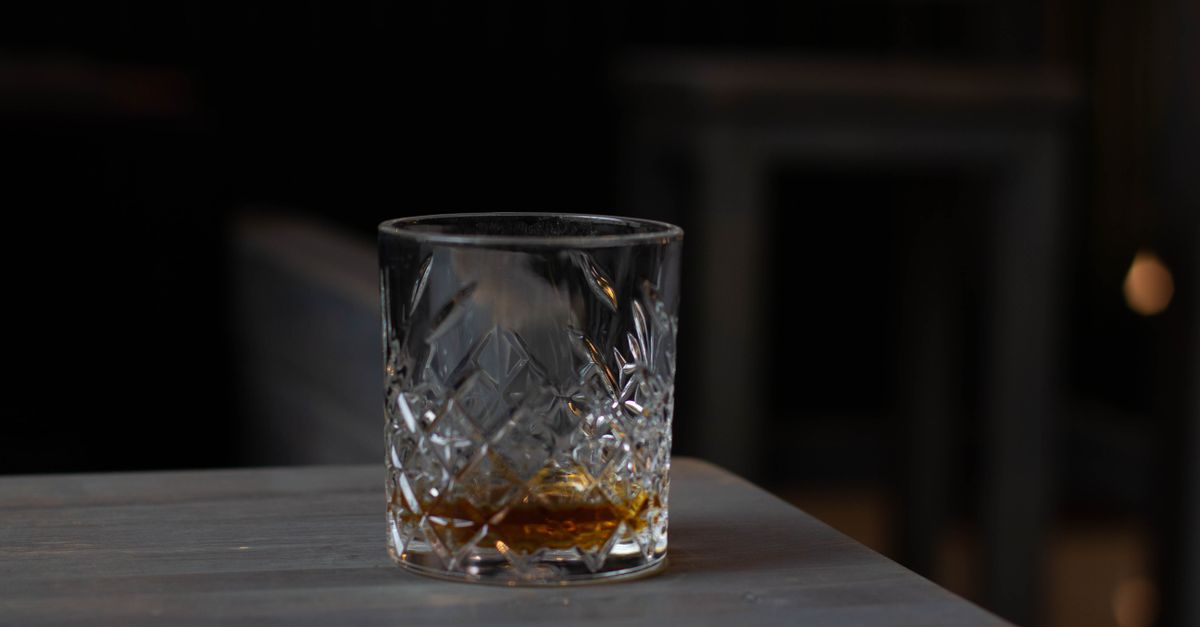
Autumnal cocktails to mix at home: 8 drinks across brown spirits, apple, and spice
Eight cocktails cover the full range of autumn drinking — from a light pear spritz to a spirit-forward smoked Negroni — and all of them can be assembled from ingredients available at any mid-range liquor store. The goal here is flavor logic, not novelty. Each drink earns its place in the season.
Apple Old Fashioned (ABV ~30%) is the most forgiving entry point. Reduce a cup of fresh apple cider by half, let it cool, and use a barspoon of it in place of simple syrup with your bourbon and Angostura bitters. The reduction concentrates tartness without adding sweetness you don't control. Stirred over a large ice cube, it tastes like an Old Fashioned that grew up in an orchard. Difficulty: low.
Maple Sour (ABV ~22%) — rye whiskey, fresh lemon, maple syrup, optional egg white — is better than the same drink made with simple syrup because maple has actual flavor depth: caramel, wood, a faint bitterness that simple syrup flatly lacks. Use a 3:1 lemon-to-maple ratio to keep it from going cloying. Dry shake with egg white first if you want the foam; skip it if you don't care about texture.
Spiced Cranberry Margarita (ABV ~20%) sounds like a stretch until you realize cranberry and lime are already doing the same job: sharp, high-acid contrast to a spirit. Muddle two tablespoons of whole cranberries with a cinnamon-infused agave syrup, add blanco tequila and lime, shake hard. It bridges autumn and the classic margarita format more naturally than any pumpkin version ever will.
Pear and Elderflower Spritz (ABV ~10%) is the lightest thing on this list — pear eau-de-vie or a good pear brandy, St. Germain, a squeeze of lemon, topped with dry sparkling wine. For anyone who finds heavily spiced autumn drinks suffocating, this is the alternative. It's still seasonal; it's just more Monet than Rembrandt.
Apple-forward lighter cocktails are a whole category worth exploring if you want apple flavor without the weight of bourbon. If that's your direction, a good collection of appletini recipes with ratios and variations for different spirit preferences will save you a lot of trial and error.
Dark and Stormy Autumn Riff (ABV ~14%) keeps the original's structure — dark rum, ginger beer, lime — but adds two ounces of cloudy apple juice before the ginger beer. The apple softens the rum's sharpness and gives ginger something earthy to push against. Build it in the glass, don't shake.
Smoked Maple Negroni (ABV ~28%) is the serious end of the spectrum: equal parts rye or smoky Scotch, Campari, sweet vermouth, with a quarter barspoon of real maple syrup stirred in. The bitterness of Campari cuts the maple's sweetness almost perfectly. Expressed orange peel over the top; don't skip it — the oils matter here. Difficulty: medium, mostly because balance is unforgiving in stirred drinks.
Chai-Spiced Whiskey Sour (ABV ~20%) uses a chai syrup — black tea steeped with cardamom, cinnamon, ginger, and clove, sweetened — that also works as a warm non-alcoholic base in the section that follows. With whiskey and lemon, it builds into something more layered than a standard sour. Make the syrup in bulk; it keeps refrigerated for two weeks.
Autumnal drinks to order at a bar: what to ask for and what to avoid
Most bars with a seasonal menu will serve you something good in autumn — the palette of brown spirits, apple, and smoke translates well to professional bar settings, and the season gives bartenders genuine creative material to work with. The trick is reading what's on offer before you commit.
Seasonal menu language compresses a lot of flavor information into single adjectives. "Harvest" usually signals apple, pear, or dried fruit alongside a base spirit, sometimes with a honey or maple sweetener. "Orchard" almost always means fresh pressed or muddled apple, occasionally calvados or pear eau-de-vie. "Smoked" is doing heavier lifting — it can mean peated Scotch, mezcal, activated charcoal theater, or an actual cold-smoke gun, and those drinks land very differently. If the menu doesn't specify the base spirit, ask. A smoked cocktail built on mezcal is a different evening than one on Laphroaig.
If there's no seasonal menu at all — and plenty of bars don't bother — a few orders are reliably autumnal without requiring explanation. A Manhattan delivers exactly what the season calls for: rye or bourbon, sweet vermouth, bitters, nothing to prove. A Paper Plane (equal parts bourbon, Aperol, Amaro Nonino, lemon) reads bright but warming. A Mezcal Negroni swaps gin for mezcal and immediately tilts earthier and smokier. Even a well-made whiskey sour with egg white holds up. You can also describe what you want rather than name it: "something stirred and warming with apple or pear" gives any competent bartender enough to work with.
⚠️ Pumpkin spice cocktails at bars are variable in a way that's hard to overstate. A bar that makes its own pumpkin spice syrup in-house tends to produce something nuanced; one that reaches for a pre-made flavoring syrup produces something closer to dessert. Worth asking how they're making it before ordering.
Before heading out, WhatDrink lets you browse by occasion and mood to arrive with a clearer sense of what you're after — useful when the menu is long and the lighting is low. The limitation is that it's better for pre-visit research than for improvising at the bar itself; it won't tell you what a specific venue has on tonight.
Get Your Venue Discovered
List your venue on WhatDrink so people searching for their next drink by style, location and occasion can find you.
List Your VenueNon-alcoholic autumnal drinks that are actually worth drinking
Skipping alcohol doesn't mean settling for apple juice and a cinnamon stick. The drinks below are built around the same flavor architecture as the cocktail section — spice, orchard fruit, bittersweet depth — not constructed by subtraction.
Spiced apple shrub soda is the one most people haven't tried and should. A shrub is a drinking vinegar: apple cider vinegar simmered with apple juice, sugar, and whole spices (cloves, allspice, a cinnamon stick), then strained and chilled. Two tablespoons over ice with sparkling water produces something genuinely complex — sweet up front, tart in the middle, warm on the finish. The acidity reads as sophistication rather than sourness, which is exactly what a cold Tuesday evening calls for.
Chai concentrate with oat milk rewards anyone willing to make a large batch on Sunday. Simmer black tea with cardamom, ginger, black pepper, cinnamon, and cloves for twenty minutes, strain, sweeten to taste. It keeps refrigerated for two weeks, and the heat level adjusts with how much fresh ginger you add. Oat milk's creaminess integrates better than dairy for most people — it doesn't break under heat.
💡 Golden milk trips up a lot of first-time makers because turmeric's active compound, curcumin, requires fat and black pepper to absorb properly — which is also how you get it to taste like something rather than warm yellow water. Coconut milk, a crack of pepper, honey instead of sugar, and a small pinch of cardamom make the difference between medicinal and genuinely warming.
Hot pomegranate juice with cinnamon takes five minutes and looks extraordinary — the color alone justifies making it for guests. Warm the juice over low heat with a cinnamon stick and an optional star anise, don't boil it, pour. Underrated and barely discussed in autumn drink guides.
On NA spirits designed to mimic whiskey: results vary significantly by brand. Some deliver enough oak and spice to hold up in an autumn sour or a mock Manhattan. Others taste like slightly herbal water. Lyre's American Malt and Ritual Zero Proof Whiskey Alternative are the most consistent performers, but neither fully replicates the burn that orients a brown spirit cocktail.
For health-conscious readers exploring this territory, WhatDrink's lower-calorie and lower-sugar filters surface options that aren't always visible through standard recipe searches — the drawback being that the database skews toward mainstream commercial products, so niche craft shrubs and small-batch NA spirits appear less frequently.
Autumnal wines and beers that match the season
Cocktails get the seasonal spotlight, but wine and beer map to autumn's flavor register just as cleanly — sometimes more directly, because the grape varieties and malt profiles that thrive in this category evolved alongside centuries of harvest-time eating.
Red wine is the obvious entry point. Zinfandel's bramble fruit and black pepper make it feel built for October; GSM blends (Grenache, Syrah, Mourvèdre) add a gamey, smoky dimension that pulls them toward roasted meat and wood smoke rather than summer salads. Aged Rioja, with its Tempranillo base softened by time in oak, lands somewhere between dried cherry and leather — medium-bodied enough not to overwhelm a plate of charcuterie, structured enough to hold up to it. The common thread is spice and earth over brightness and acid.
White wine doesn't disappear in autumn, though the varietals shift. Orange wine — made with extended skin contact — brings tannin and a nutty oxidative quality that pairs well with roasted squash in a way that a crisp Sauvignon Blanc simply cannot. Oaked Chardonnay, particularly from Burgundy or a restrained California producer, works alongside creamy root vegetable dishes. Off-dry Riesling, slightly sweet with high acid, cuts through fatty pork belly or a pork shoulder with apple butter in a way that might surprise people who've written off the grape as too delicate for the season.
🍺 Seasonal beer deserves its own taxonomy here.
Style | Flavor Profile | Best With |
|---|---|---|
Märzen / Oktoberfest lager | Bready, malty, faintly caramel | Braised pork, pretzels, sausage |
Pumpkin ale | Spice-forward, often cloyingly sweet | Dessert, if at all |
Dark chocolate, roasted coffee, molasses | Aged cheese, beef stew | |
Hard cider (dry) | Apple, tannin, light funk | Pork chops, sharp cheddar, charcuterie |
Pumpkin ales have their defenders, but the spice additions in most commercial versions overpower any actual squash character. Imperial stouts are the better call once November arrives and the temperature drops past the point of no return.
Hard cider sits across all categories — fermented like wine, carbonated like beer, flavored like a cocktail ingredient. A dry cider from a small-batch producer behaves closer to a natural white wine than to anything in a six-pack, which is reason enough to treat it as a season-long staple rather than a novelty.
FAQ
What are the most popular autumnal drinks in 2026?
The drinks getting the most attention this autumn are variations on the hot apple cocktail — particularly spiced cider with bourbon or rye — alongside pumpkin spice lattes (still, for better or worse), mulled wine, and the Paper Plane as a bar-order standard for the season. On the non-alcoholic side, spiced apple shrub sodas and turmeric-ginger tonics have moved well past novelty into genuine seasonal staples. The through-line across all of them is the same: warm spice, orchard fruit, and enough bitterness or acid to keep sweetness in check.
What is a good autumnal drink to order at a bar?
Ask for an Old Fashioned with rye instead of bourbon — it's drier, spicier, and reads as more distinctly autumnal than the sweeter bourbon version most bars default to — or request a Paper Plane if the bar stocks Aperol and amaro, since the equal-parts structure means it's easy for any bartender to execute correctly. If you want something longer, a Dark and Stormy or a whiskey sour with apple juice swapped in for part of the citrus both work well and require nothing exotic from the back bar. Avoid asking for "something pumpkin spice" unless you want the literal syrup, which rarely resembles actual spice and more often just tastes like sweetened vanilla.
What are the best non-alcoholic autumnal drinks?
The strongest options are spiced apple shrub soda (apple cider vinegar, fresh apple juice, cinnamon, and sparkling water), a turmeric-ginger tonic with honey and black pepper, and a well-made hot chocolate built with dark cocoa and a pinch of chili rather than a powdered mix. Warm chai — brewed from whole spices, not a concentrate — belongs in the same conversation, especially for evening drinking when you want something substantial without caffeine. These hold their own against alcoholic alternatives because they're built on the same flavor logic: brown warmth, spice, and a bittersweet edge rather than sugary approximations of the season.
What spirits work best in autumn cocktails?
Bourbon, rye whiskey, aged rum, and apple brandy (calvados or American applejack) are the four spirits that fit autumn most naturally, because they all carry the barrel-derived warmth — vanilla, caramel, dried fruit, wood — that mirrors the season's flavor profile. Rye is the most versatile if you're choosing just one: it's spicy enough to hold up against cinnamon and apple without getting lost, and dry enough that sweetening agents don't tip drinks into dessert territory. Aged rum fills the same structural role in tropical-adjacent autumnal builds, particularly in hot drinks where molasses depth reads as roundness rather than sweetness.
What is an easy autumnal drink to make at home for a crowd?
A slow-cooker mulled cider is the most reliably crowd-friendly option: combine a gallon of fresh apple cider with cinnamon sticks, whole cloves, star anise, a split vanilla pod, and two sliced oranges, heat on low for two to three hours, and serve from the pot with a ladle. Add a bottle of bourbon or dark rum to the batch for guests who want alcohol, leaving the base non-alcoholic so everyone can drink from the same vessel. It scales with no additional effort, holds warm for hours, smells like the season the moment it starts heating, and requires no cocktail-making skill from the host.
Autumn Has a Flavor Logic — Follow It
The drinks covered across this piece aren't connected by a trend cycle or a marketing calendar. They share a structure: brown warmth from barrel-aged spirits or roasted ingredients, orchard fruit that reads tart rather than candied, spice used as an accent rather than a theme, and enough bitterness or acid to keep the whole thing honest. That logic is what separates a genuinely autumnal drink from something that just has "pumpkin" in the name.
If you take one thing away from the full list, it's that restraint is the seasonal skill. The drinks that work — a rye Old Fashioned, a spiced cider with half an ounce of amaro, a bone-dry Grüner Veltliner alongside roasted squash — work because they commit to the flavor architecture without overshooting it. More cinnamon is rarely the answer. More bitterness, frequently, is.
The most useful next step depends on where you are right now. If you're at home with twenty minutes and a half-bottle of bourbon, go back to the warm cocktails section and pick one. If you're heading out this weekend, the bar-order section gives you two or three requests that any competent bartender can fulfill without a specialized menu. Somewhere between a dinner party and a quiet Tuesday, the non-alcoholic builds deserve more credit than most people give them — the turmeric-ginger tonic, made properly, is not a consolation drink.
For anyone who wants to explore further than what this article covers — different occasions, dietary constraints, unfamiliar spirits — WhatDrink's occasion-based discovery tool lets you filter by mood, setting, and what you actually have available, rather than starting from a blank search bar. The seasonal range there goes wider than twenty picks.
Autumn is short. The flavor window for this particular combination of ingredients — fresh-pressed cider still in stores, the right whiskey open on the shelf, the temperature finally low enough to want something warm in your hands — closes faster than it feels like it will. Pick a category and start with one drink.