
Herbal cocktails non-alcoholic versions aren't a compromise — they're a different category of drink built on the same logic as a well-made cocktail: bitterness, brightness, aroma, and something that lingers. The herbs do the structural work. Rosemary and thyme bring savory depth; chamomile and lavender soften edges; fresh mint cuts through sweetness; green Szechuan peppercorns add a tingly, almost electric finish that mimics proof without any actual heat, making them far more than decorative additions to a glass. A few drinks worth making right now: a rosemary-grapefruit spritz with shrub and soda, a lavender lemonade built over cold chamomile tea, a mint and green tea cooler sharpened with a splash of verjuice, or a smoky peppercorn-and-hibiscus sour using aquafaba for the foam.
What separates a satisfying build from one that's merely tolerable is specificity — and that distinction matters more here than in most drink categories. Generic "mocktails" lean on fruit juice and hope. These builds lean on volatile oils, bitterness compounds, and botanical aromatics — the same properties that make vermouth or a good amaro interesting, and the reason a well-constructed herbal non-alcoholic drink can hold your attention across an entire meal rather than fading into the background after the first sip. The herbs aren't garnish. They are the drink.
Which herbs work best in non-alcoholic cocktails
Mint, basil, rosemary, thyme, and lemongrass are the five herbs that reliably pull weight in a non-alcoholic build — not as decoration, but as the actual flavor architecture of the drink. Most other herbs either vanish into the background or turn acrid before the glass reaches anyone's lips.
One thing most recipes ignore: rosemary and thyme are fat-soluble. Their aromatic compounds need heat or fat to release — a quick steep in hot syrup or a brief warm-oil infusion will extract ten times more flavor than pressing a sprig against ice ever will, which matters far more than any technique tip you'll find in a standard mocktail guide. Mint works differently. Pressure and cold unlock it immediately, which is why it dominates so many non-alcoholic builds almost by default.
Basil bruises fast. Muddle it too hard and you cross from bright, anise-flecked territory into something closer to black pepper and lawn clippings — a light bruise or a cold-steeped syrup keeps it in the right register. Sage turns faster. Same problem, less margin.
Lemongrass is the most underused of the five. Smash a stalk, steep it in hot water or syrup, and you get something that reads as citrus and fresh-cut grass simultaneously — no lemon juice required, and no bitterness chasing it down.

How to build structure and depth without alcohol
Ethanol does more than intoxicate — it carries flavor molecules, adds viscosity, and creates that slow-burning warmth that makes a drink feel finished. Strip it out and you're left with something that tastes thin at the front and collapses entirely on the finish, like a song that cuts out before the final chord.
The fix is layering. Herb-infused syrups add both sweetness and weight; a rosemary-honey syrup, for instance, coats the palate in a way that plain sugar water never will. Cold-brew teas (especially roasted barley or black tea steeped overnight) contribute tannins that mimic the drying grip of a spirit. Shrubs — those old-fashioned drinking vinegars made by macerating fruit or herbs in apple cider vinegar — introduce fermented complexity that reads almost funky in the best way. Coconut water is underused here: it brings a mild natural sweetness plus electrolytes that give the whole drink an almost silky texture.
Acid balance is trickier without alcohol holding everything together. Cut it. The usual citrus ratios fall apart, and you'll often need twenty to thirty percent less lemon juice than a spirit-based recipe calls for — push past that threshold and the drink turns sharp and angular in a way no amount of sweetener fully corrects. This step-by-step guide to building a non-alcoholic mojito works through the acid adjustment in useful detail.
Carbonation is structural, not decorative. Sparkling water lifts the whole glass; tonic adds bitter length that plain soda can't replicate; hop water introduces a resinous bite that mimics the finish of a gin-based drink surprisingly well. Choose based on what the rest of the glass needs, not habit.
What drink makes you feel different without alcohol — adaptogens and functional herbs
If you want a drink that actually shifts something — not just tastes interesting — your best near-term options are nervines like lemon balm, passionflower, and chamomile, or kava. Those are the herbs with a plausible, single-serve effect. Everything else takes weeks.
Adaptogens are the loudest story in zero-proof cocktail culture right now. Ashwagandha, lion's mane, reishi — they're appearing on menus and in canned mocktails with the implicit promise of a mood shift. The honest account: their benefits are real but cumulative, meaning daily use over several weeks is what changes stress response and cognitive tone, not a single cocktail. Disappointing. Ordering a reishi sour expecting to feel it by the end of the drink is a reasonable mistake, and also one the marketing does nothing to discourage.
Nervines work differently. Lemon balm has reasonably good evidence for mild anxiolytic effects within a single dose, and passionflower and chamomile carry calming profiles that many people register within thirty minutes. Not dramatic. But perceptible, particularly if you're already wound down from the evening.
⚠️ Kava sits in a category of its own. Noble-grade kava from a reputable supplier, at a meaningful dose, produces a genuine shift — relaxed, sociable, lightly sedated, without cognitive fog. Those trace amounts in most commercial drinks won't get you there. It's the closest thing to buzzed-but-sober that plants currently offer, and source matters enormously; poor-grade kava brings nausea and, with heavy chronic use, liver stress.
No herb replicates ethanol's warmth in one glass. But lemon balm combined with a good hop water — which has its own mild soporific effect — is as close as most single-serve builds get.
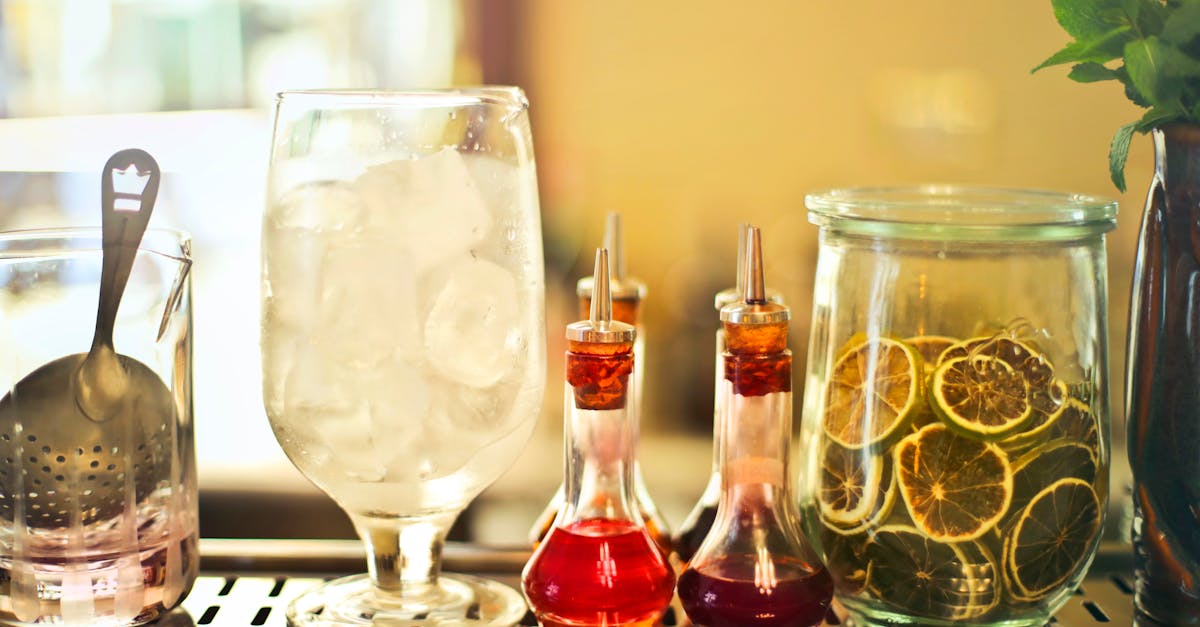
10 herbal non-alcoholic cocktail recipes worth making
These ten builds range from a three-ingredient pour you can assemble in five minutes to more layered constructions that reward a bit of prep — all organized loosely from simple to involved, so you can start where your patience is.
Rosemary-grapefruit soda: Muddle one sprig of rosemary, add 60ml fresh grapefruit juice and top with sparkling water. Bitter, piney, done. If you want more entry points at that level of simplicity, this guide to easy three-ingredient cocktails covers the logic well.
Basil-lemonade with black pepper syrup: 50ml fresh lemon juice, a small handful of basil leaves shaken hard with ice, topped with cold water and 15ml black pepper syrup — a ratio that keeps the pepper audible without overwhelming everything else. Keep that syrup proportion honest. The pepper lifts the basil from sweet herb territory into something with actual edge, and the difference between 10ml and 20ml is the difference between interesting and medicinal.
Chamomile-honey shrub with sparkling water and lemon: Steep chamomile in apple cider vinegar overnight (1:1:1 — tea, vinegar, honey), strain, and use 30ml over ice with soda and a lemon wheel. Floral but not fussy.
Lemongrass-coconut cooler: Blend lemongrass syrup with coconut water, fresh lime juice, and a splash of soda. Tropical without the sunscreen sweetness of most mocktails.
Mint-cucumber with hop water and salt: Muddle cucumber and mint, add hop water and a pinch of flaky salt. The hops contribute genuine bitterness — the closest thing in this list to an IPA without the ABV.
Thyme-pear with cold-brew white tea and ginger beer: Cold-brew white tea for 4–6 hours in the fridge, mix 80ml with fresh pear juice, a thyme sprig, and ginger beer. Surprisingly autumnal.
Lavender-blueberry tonic: Lavender syrup, muddled blueberries, tonic water. Straightforward and visually striking.
Tarragon-apple with shiso and lime: A small pour of apple juice, two shiso leaves, a tarragon sprig, and lime juice shaken together. Anise-forward and unusual in the best way.
Sage-blackberry shrub with hibiscus tea: Blackberry-sage shrub (vinegar-based, same method as the chamomile above) stirred into chilled hibiscus tea. Tart and deeply coloured.
Adaptogenic golden milk mocktail: Warm oat milk, half a teaspoon of ashwagandha powder, turmeric, cardamom, black pepper, and a small spoon of honey. This one actually shifts something — not a buzz, more like the edges softening after about twenty minutes.
Get Your Venue Discovered
List your venue on WhatDrink so people searching for their next drink by style, location and occasion can find you.
List Your VenueHow to make herb-infused syrups for cocktails at home
A herb-infused syrup is the single technique that separates flat mocktails from ones that hold your attention. Start with a 1:1 ratio of sugar to water — equal parts by weight, not volume — and the method splits from there depending on the herb.
Woody herbs like rosemary, thyme, and sage need heat to release their oils: simmer for 10–15 minutes, then strain. Delicate herbs are a different matter entirely. Mint cold-infuses beautifully — steep it in the cooled syrup for two to four hours in the fridge, then pull it immediately, because leaving it longer causes the chlorophyll to break down into something medicinal and sharp that no amount of citrus will fix.
Standard syrup keeps for two weeks refrigerated. Add a quarter teaspoon of citric acid per cup of liquid and that extends to roughly four weeks without altering the flavor noticeably.
⚠️ When a syrup tastes flat despite good herb flavor, the fix is usually a small pinch of salt or a strip of citrus zest added during the last few minutes of cooking. Neither should be detectable — they're there to lift what's already present, not announce themselves.

Non-alcoholic herbal cocktails you can buy ready-made
If making infusions sounds like too much overhead on a Tuesday evening, the bottled zero-proof category has matured into something worth taking seriously. Seedlip Spice 94 (cardamom, bark, citrus peel) and Seedlip Garden 108 (peas, hay, spearmint) are the most accessible botanical spirits in US grocery stores — both sit in the spirits aisle at Whole Foods and Total Wine, and both mix cleanly into highballs or simple soda builds.
The cost trade-off is real, though. A $30+ bottle of Seedlip covers roughly 15 serves, which makes homemade herb syrup look considerably more economical. And most bottled zero-proof spirits are blending components, not drinks you'd pour neat — without a mixer adding acid or sweetness, the flavor sits flat and herbal in an unresolved way.
The canned RTD zero-proof section is expanding fast at major chains, though quality varies sharply by brand. For readers who want to compare options by flavor profile before buying, this guide to drinks that don't taste like alcohol is a useful starting point.
FAQ
What are some non-alcoholic herbal drinks I can make with pantry ingredients?
Rosemary, mint, and dried chamomile are the easiest starting points. Most kitchens already have at least one. A sprig of rosemary muddled with fresh grapefruit juice, topped with sparkling water and a pinch of salt, is a three-ingredient build that takes under five minutes. Dried chamomile steeped in hot water with honey and a squeeze of lemon makes a cold-served drink with more complexity than its simplicity suggests.
What drink makes you feel buzzed but has no alcohol?
Adaptogens work. Drinks built with ashwagandha, lion's mane, or kava can produce a mild shift in mood or mental clarity without any alcohol. Kava in particular has well-documented calming and mildly euphoric effects — which is why kava bars have expanded significantly over the past few years as a low-key alternative to drinking establishments. The effect varies. A kava-ginger build or an ashwagandha tonic with citrus and honey is worth trying if that functional quality is what you're after.
What are the top non-alcoholic cocktails to order at a bar?
A shrub-based soda — vinegar-fruit syrup with sparkling water — is usually the most reliably interesting option at a bar, since the acid and sweetness do what alcohol normally would for structure. Beyond that, any bar stocking bitters and house syrups can build a decent herbal mocktail around mint, basil, or rosemary. Ask for it even if it's not on the menu. Ready-made options from brands like Ghia or Seedlip are increasingly available by the glass and give you a consistent, well-balanced starting point without relying on the bar's willingness to improvise.
Where to Start If You've Never Made a Herbal Non-Alcoholic Cocktail
The simplest build in this whole category is the rosemary-grapefruit soda: one muddled rosemary sprig, two ounces of fresh grapefruit juice, sparkling water to top, and a pinch of salt to lift the aroma. Three ingredients. It's the right first drink to make because it demonstrates immediately what an herb actually contributes — that piney, resinous edge that keeps the glass from tasting like juice, and that makes the difference between a refreshing drink and a forgettable one.
Once you've made that once, the technique that opens up most of the other recipes is a cold-infused mint syrup. Cold infusion — mint leaves in simple syrup, refrigerated overnight, strained the next day — preserves the bright, grassy top notes that heat destroys, and the same method works identically with basil, lemon verbena, or tarragon, meaning one overnight batch can anchor four or five different drinks across the week. Try it before scaling up.
The broader point, and it's one that has shifted considerably over the past three years, is that the category is no longer a workaround for people avoiding alcohol. Functional herb blends, purpose-built non-alcoholic spirits with real botanical depth, and a wider understanding of how to use acid, bitterness, and texture to replace what ethanol contributes — all of that has matured. The gap between a satisfying herbal drink and a satisfying cocktail is much narrower than most people expect before they try, and the barrier in terms of both technique and ingredients is lower than the category's reputation would suggest.